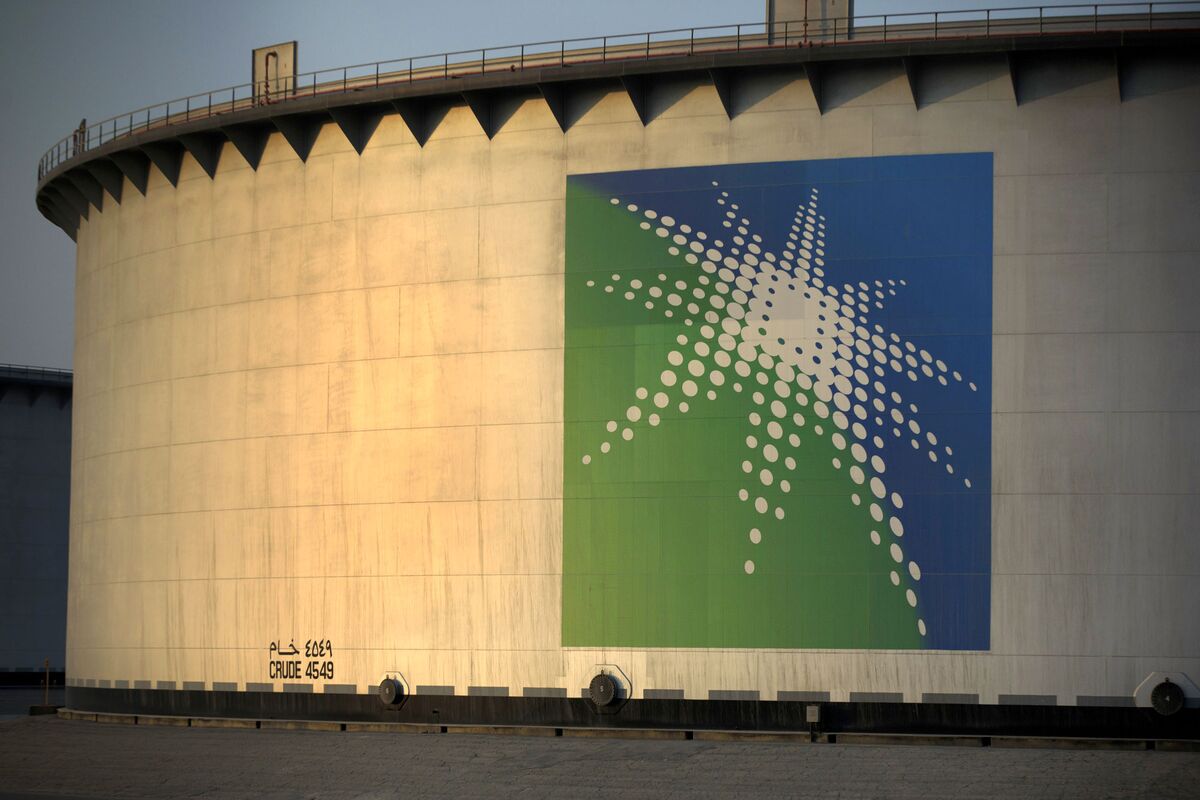
11 very-large crude carriers (VLCCs) have reached Yanbu and are waiting off Saudi Arabia's Red Sea coast as Riyadh reroutes exports to bypass the Strait of Hormuz amid disruption from the Iran war. The buildup signals potential loading delays and upward pressure on tanker freight rates and near-term oil price volatility, while representing a material logistics shift for Saudi export flows. Portfolio implications: monitor short-term Brent volatility and tanker charter rates, and assess counterparty/logistics risk for refiners and trading desks exposed to Red Sea loadings.
The tactical bypass of the Strait of Hormuz is creating a capacity mismatch: more crude needs to route through Red Sea export points while the available VLCC liftings and loading slots are fixed, which mechanically lifts spot tanker earnings, increases on-water floating storage and produces contango pressure in near-term physical markets. Expect upward pressure on time-charter-equivalent (TCE) rates for VLCCs and a cascade into Suezmax/Aframax markets as shipowners reallocate hulls — a single diverted round-trip adds as much as 10–14 days per voyage, cutting annual voyage-turns by ~10–20% for the same hull.
Second-order winners are owners of modern VLCCs and balance-sheet-strong shipping firms that can monetize both spot tightness and floating storage; losers include refiners and traders who lack secured loading slots and must either pay higher freight or accept delayed feedstock, compressing crack spreads in the near-term. Insurance and war-risk premia for the Red Sea/Bab el-Mandeb corridor are the hidden friction — a sustained premium shock of 100–300% would reroute volumes around Africa, further lengthening voyages and structurally supporting freight for months.
Key catalysts: a diplomatic de-escalation or a coordinated naval protection corridor could normalize insurance and freight within weeks, reversing most of the move; conversely, escalation, pipeline attacks, or port congestion that extends loading delays beyond 30 days would entrench floating storage and keep freight elevated for quarters. Monitor VLCC availability (old vs modern hulls), war-risk insurance indices, and the Brent-Dubai spread as early-warning indicators of flow rerouting or inventory drawdown on water.
AI-powered research, real-time alerts, and portfolio analytics for institutional investors.
Request DemoOverall Sentiment
neutral
Sentiment Score
0.00
