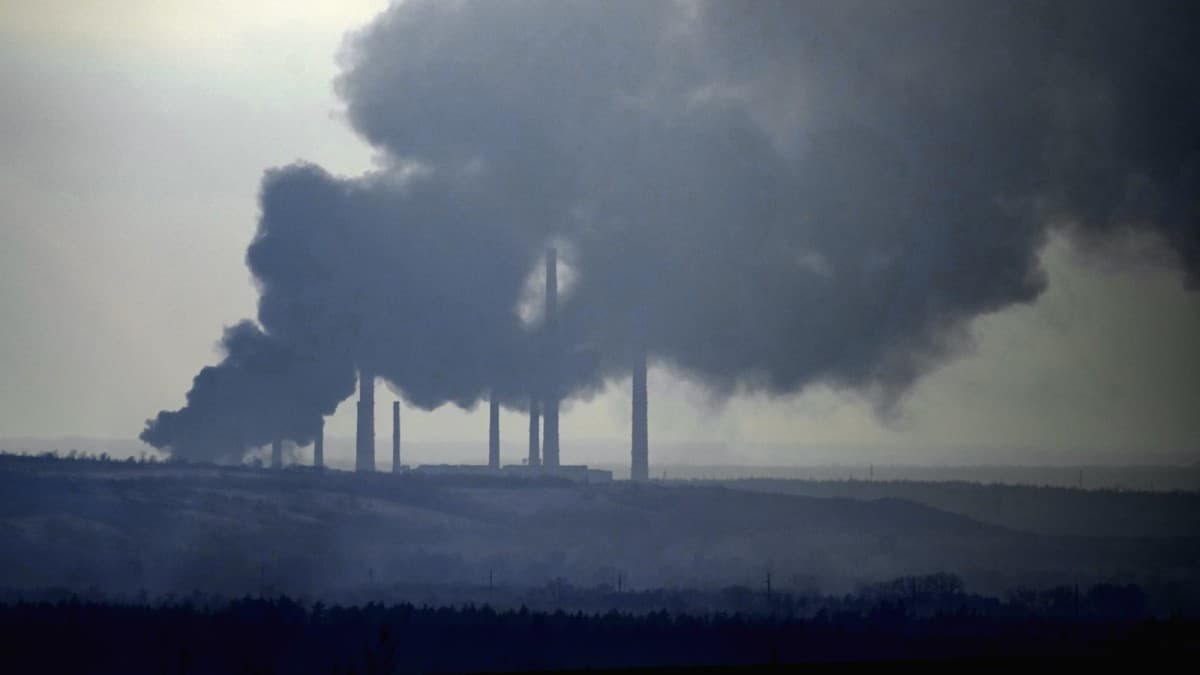
Rosneft’s Novokuibyshevsk refinery has halted primary oil processing after a Ukrainian drone strike on April 18, disrupting the first stage of crude distillation at a plant that processed 5.74 million metric tons (115,000 bpd) of crude in 2024. The outage could tighten Russia’s domestic fuel balance and may force more crude toward export markets, following prior refinery strikes that redirected barrels to western ports. The article also notes Russian export revenues from crude and refined products rose to $19 billion in March from $9.7 billion in February, while a U.S. sanctions waiver for sales to Indian refiners was extended through mid-May.
This is less a crude-price story than a product-balance story, and the second-order effect is a widening spread between crude exporters and refined-product importers. When Russian primary processing is disrupted, the system tends to defend export volumes by pushing more unprocessed barrels out while sacrificing domestic fuel availability; that can soften the impact on global crude benchmarks while still tightening diesel/gasoline balances regionally. The market’s instinct to fade the event on the grounds that Russia can still export crude is too simplistic: the more important channel is diesel and middle-distillate optionality, which remains structurally tighter than headline Brent suggests.
The near-term winner is any non-Russian supplier of marine gasoil, middle distillates, or refinery capacity that can arbitrage into Europe and the Mediterranean. European refiners with complex systems should see improved cracks if Russian barrels are displaced from regional product flows, while tanker economics can improve if crude is rerouted farther to preserve export intake. The loser is Russia’s downstream complex and any buyer dependent on discounted Russian product streams; over 1-3 months, this increases the probability of domestic fuel interventions, export restrictions, or tax tweaks that blunt the fiscal benefit of higher crude exports.
The key catalyst is whether this outage remains isolated or compounds into a broader campaign against Russian refining. A single plant outage is manageable; repeated hits across the Samara cluster would start to matter for product availability and could force Russia to choose between domestic stability and export revenue. The sanctions waiver on Indian crude buying is a meaningful offset, but it mainly protects crude demand, not the downstream margin squeeze caused by lost refining throughput.
Consensus likely underestimates how quickly refinery outages can transmit into freight, crack spreads, and product-import economics even when spot crude looks calm. The trade is not to chase crude beta; it is to own exposure to refined-product tightness and avoid assets levered to lower fuel import costs or Russian downstream normalization. If the outage persists beyond a few weeks, the market should start pricing more aggressive Russian export rerouting and higher non-Russian product margins.
AI-powered research, real-time alerts, and portfolio analytics for institutional investors.
Request TrialOverall Sentiment
moderately negative
Sentiment Score
-0.45
