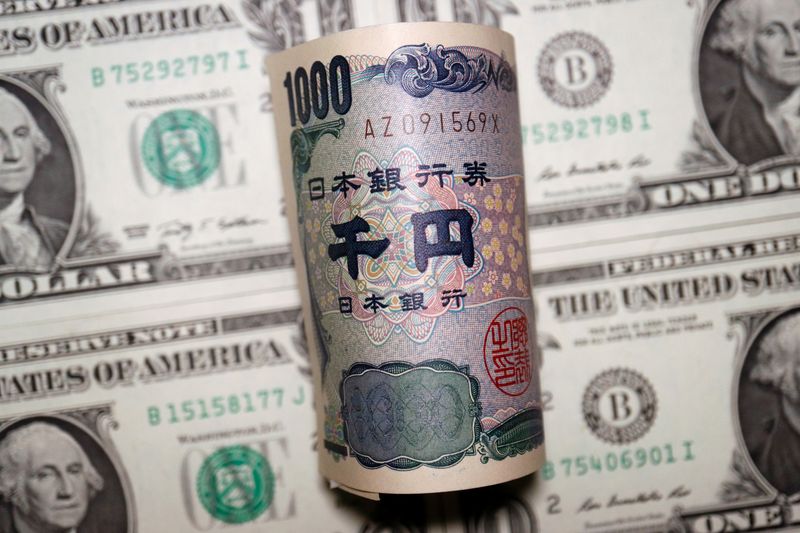
Markets were buoyed by reports that the U.S. and Iran may extend their ceasefire by 60 days and ease restrictions on shipping through the Strait of Hormuz, a route carrying about one-fifth of global oil flows. Brent crude was on track for its steepest weekly decline as relief over lower oil prices reduced stagflation fears, while the U.S. dollar index held near 99.08 and the euro fell to $1.1643. Tokyo core CPI slowed to 1.3% in May, reinforcing expectations that the Bank of Japan will remain cautious on tightening and limiting support for the yen near 160 per dollar.
The market is pricing a fast unwind of the crude-risk premium, but the bigger signal is that geopolitical tail risk is now acting like a short-dated vol event rather than a regime shift. If the Strait reopening holds, the first-order winner is not just lower oil; it is a broad easing in implied inflation volatility, which should mechanically compress term premiums and support duration-sensitive assets more than equities. That creates a subtle relative-value opportunity: rate-sensitive defensives and quality growth can re-rate even if headline risk assets only grind higher.
For Europe and Japan, the key second-order effect is terms-of-trade relief. A weaker energy bill tends to be more beneficial for euro-area cyclicals than for the index level itself because it restores margin visibility to industrials and consumers at the same time. In Japan, however, softer domestic inflation weakens the case for near-term policy normalization, which is bearish for the yen and supportive of export earnings translated back into yen — a setup that favors exporters over domestic financials in the next 2-6 weeks.
The market may be underestimating how quickly the ceasefire narrative can be reversed: any delay in implementation, a single shipping incident, or renewed rhetoric could reprice crude higher in hours, not days. That argues against chasing the move outright in energy beta and for structuring exposure around asymmetric downside in oil vol rather than directional short crude. The consensus seems too focused on the relief trade and not enough on the possibility that lower oil becomes a Fed-friendly disinflation impulse, which would be far more durable than the headline geopolitical news flow.
AI-powered research, real-time alerts, and portfolio analytics for institutional investors.
Request DemoOverall Sentiment
mildly positive
Sentiment Score
0.15
Ticker Sentiment
