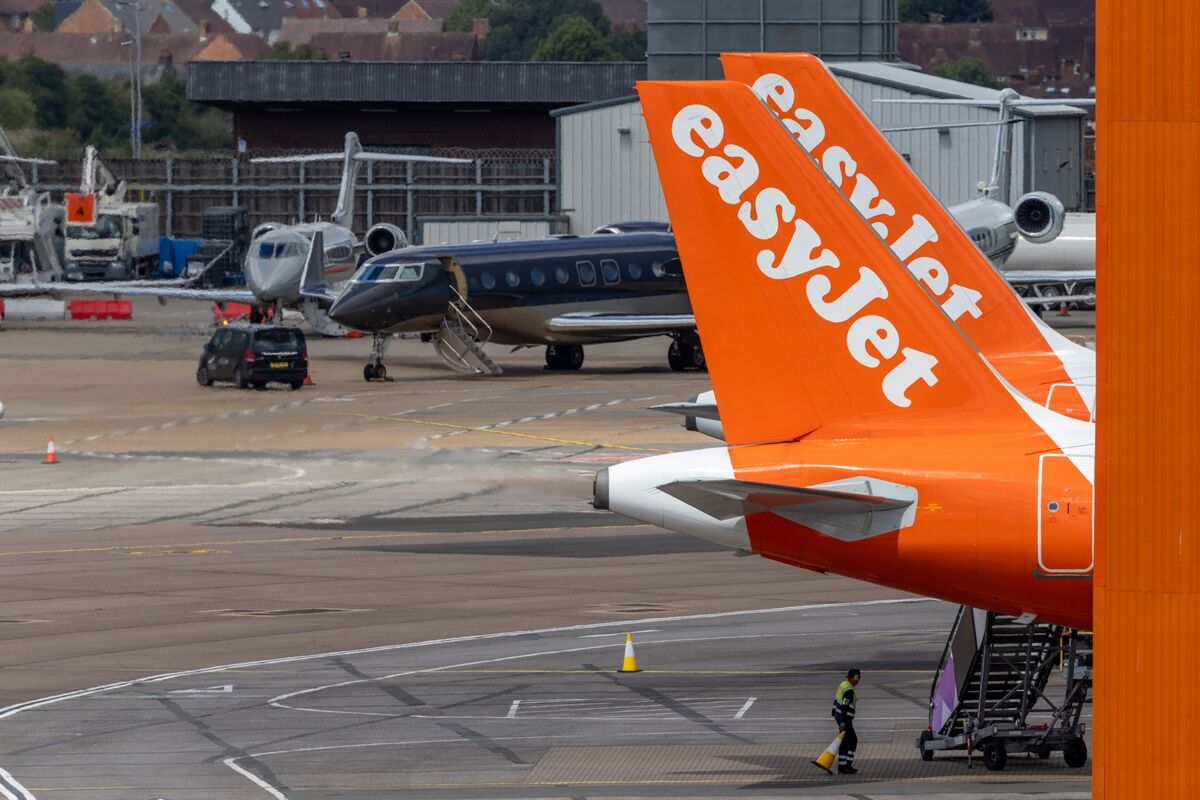
EasyJet expects a headline loss before tax of £540 million to £560 million for the first half of fiscal 2026, with the Middle East conflict adding £25 million in fuel costs in March. The warning triggered an intraday share drop of as much as 8.7% in London, the steepest since June 2022. The update highlights significant near-term earnings pressure from geopolitical disruption and higher fuel expense.
The immediate market read is not just that EasyJet’s near-term margin is being hit, but that short-haul leisure demand is being repriced against a higher and more volatile cost base. Airlines with weaker pricing power and more fuel sensitivity should underperform broader travel even if headline traffic remains resilient, because investors will start discounting the chance that fuel shocks and airspace disruptions become a recurring earnings tax rather than a one-off.
The second-order beneficiary is the more capacity-constrained, premium-biased carrier set: operators with stronger route mix, loyalty economics, and better fuel hedging can preserve yields while lower-cost competitors eat the demand volatility. This also has spillover effects into European travel infrastructure and adjacent leisure names if consumers trade down or delay bookings; the market often underestimates how quickly a few months of margin pressure can lead to promotional pricing and weaker forward load-factor visibility.
The key catalyst window is the next 1-3 months, when management commentary and summer booking data will determine whether this is an isolated first-half hit or a reset to full-year guidance. If Middle East-related fuel premiums fade and airspace risk normalizes, the stock can rebound sharply because the selloff likely front-runs a worst-case narrative; but if tensions persist, the risk is not just lower earnings, it is an adverse mix shift as airlines discount seats to defend utilization.
Contrarianly, the move may be somewhat overdone if investors are extrapolating a March fuel shock into a structural demand impairment. The bigger market miss is that airlines with disciplined hedging and stronger ancillary revenue can actually gain share during stress periods, while weaker operators are forced into a pricing response that compresses industry-wide returns. That makes this more attractive as a relative-value expression than a simple outright bearish call on travel.
AI-powered research, real-time alerts, and portfolio analytics for institutional investors.
Request DemoOverall Sentiment
strongly negative
Sentiment Score
-0.70
