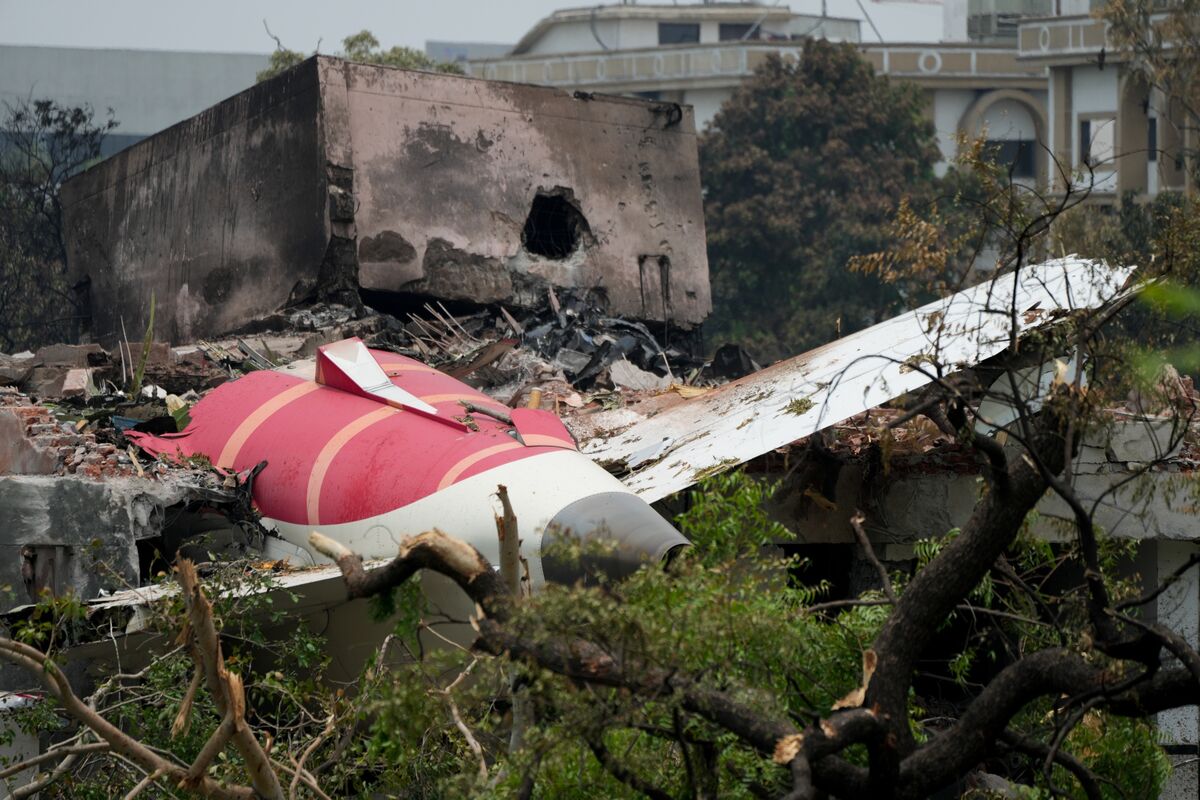
India’s Aircraft Accident Investigation Bureau has delayed the final report on last year’s Air India crash, saying the investigation into the country’s worst commercial airline disaster is still ongoing. Authorities said they have completed an extensive review of technical, operational, organizational and human factors, but more work remains. The update is largely procedural and carries limited immediate market impact.
The report delay shifts this from an event risk into a slow-burn governance overhang. In aviation, unresolved investigations matter less for near-term traffic than for capital allocation: every month of uncertainty raises the probability of higher insurance premia, more conservative fleet utilization assumptions, and tighter scrutiny of maintenance and training protocols across the sector. The first-order loser is the carrier involved, but the second-order impact is broader for India-linked aviation exposure because regulators rarely keep a major accident confined to a single operator.
The key market implication is not litigation size today, but the path of standards enforcement over the next 6-18 months. If the probe eventually points to systemic process failures rather than a one-off technical issue, expect accelerated audits, slot/route constraints, or mandated capex that compresses margins before demand is affected. That would be most painful for carriers already operating with thin balance sheets and leverage to domestic traffic growth; airports and lessors are less directly exposed but can still see delayed aircraft induction and slower growth assumptions.
Consensus is likely underestimating the duration of the overhang. These cases often resolve only after the political pressure has faded, but the operational changes get embedded permanently through training, maintenance, and compliance costs. That means the near-term headline risk may be low, while the medium-term earnings drag can quietly rise; the best setup is to fade operators with weak governance and limited pricing power, not to short the entire sector indiscriminately.
A contrarian angle is that delay itself can be mildly positive if it indicates the agency is avoiding a rushed conclusion and reducing the odds of an overly punitive initial report. If the final findings are narrow and non-systemic, the market could quickly re-rate the issue as a one-off, especially if travel demand remains strong and carriers can pass through some cost inflation. The trade therefore hinges on whether the eventual report is framed as isolated human error or as a broader organizational breakdown.
AI-powered research, real-time alerts, and portfolio analytics for institutional investors.
Request DemoOverall Sentiment
neutral
Sentiment Score
-0.10
