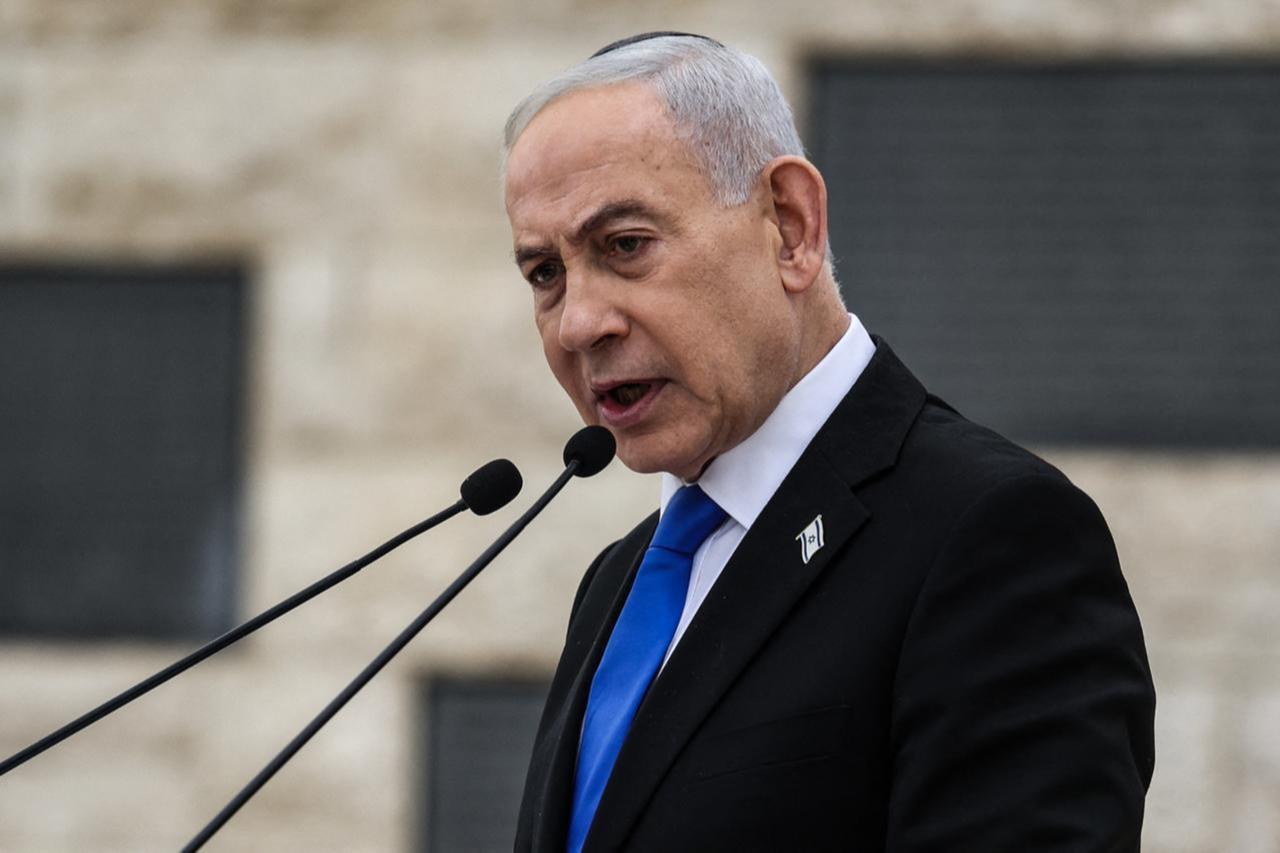
Russia criticized U.S. and Israeli strikes on Iran as undermining the Nuclear Non-Proliferation Treaty and warned that any transfer of nuclear weapons to Ukraine would directly violate the NPT. Zakharova also flagged risks around the Zaporizhzhia and Bushehr nuclear facilities, while describing France-Poland nuclear deterrence exercises as provocative. Moscow said it would respond firmly to the EU's 20th sanctions package, underscoring continued geopolitical and sanctions risk.
This is less about immediate market pricing and more about institutionalizing a higher geopolitical risk premium across the nuclear-adjacent complex. The biggest second-order effect is not uranium itself but the re-rating of assets exposed to power-grid fragility, sovereign sanctions escalation, and physical security of critical infrastructure: utilities, grid equipment, nuclear services, and defense-electronics contractors should see incremental bid support as traders price tail risks rather than base rates.
The rhetoric also increases the odds of policy-driven supply distortions over the next 1-3 months. If sanctions harden or secondary enforcement expands, Russia-linked energy and industrial flows become harder to underwrite, which can widen spreads in European chemicals, fertilizer, and certain industrial inputs even without new formal measures. The market often underestimates how quickly these narratives feed procurement behavior: corporates pull forward safety stock, insurers reprice, and counterparties demand tighter terms, creating a slow-burn margin headwind outside the obvious headlines.
The contrarian angle is that this may be more signaling than escalation. Moscow benefits from keeping multiple theaters “hot” rhetorically, but unless there is a concrete step-up in physical actions, the trade can fade once the headline cycle passes. That means the near-term opportunity is in optionality and relative value, not outright beta: you want exposure to volatility expansion with defined downside, because the base case remains contained but the tails are fatter than last week.
A key catalyst to watch is any move from words to enforcement: expanded sanctions, export-control tightening, or verified threats to nuclear infrastructure would convert this from sentiment into earnings risk. Absent that, the market will likely digest it in days, while the second-order procurement and insurance effects play out over weeks. The risk is asymmetric if we get a single incident near a nuclear facility, because that would force a much larger repricing across power, defense, and European risk assets.
AI-powered research, real-time alerts, and portfolio analytics for institutional investors.
Request TrialOverall Sentiment
mildly negative
Sentiment Score
-0.25
