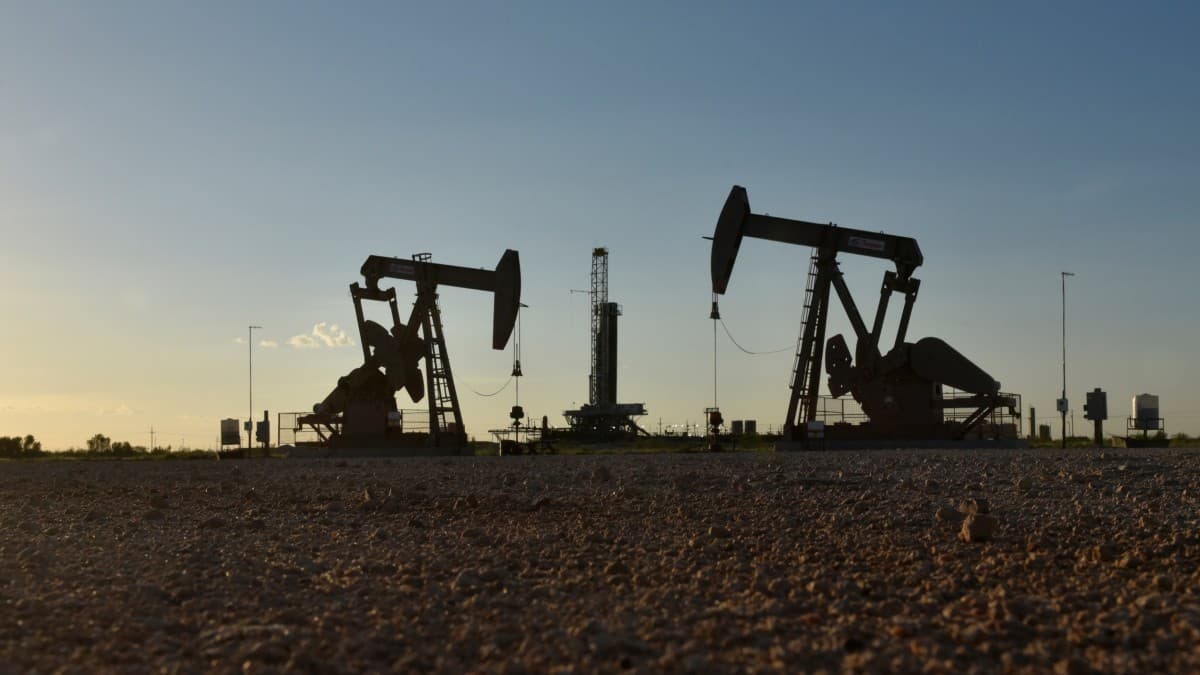
The Iran war has triggered the worst oil and gas disruption in history, pushing gasoline prices up more than $1 per gallon in six weeks and fueling shortages across Asia and Europe. China is partially insulated by large crude stockpiles, including Iranian barrels on tankers, while U.S. shale producers cannot quickly offset the loss of supply through the Strait of Hormuz. The article warns that sustained disruptions could keep global oil prices elevated, pressure inflation, and leave U.S. Gulf Coast inventories at critically low levels.
The market is mispricing this as a simple oil beta shock; the more durable effect is a regional dislocation in feedstock optionality. China’s stockpiling creates a temporary asymmetric advantage for its independent refiners and petrochemical chain, while India, Korea, Japan, and Europe are forced into a higher-cost spot market and longer voyage economics. That should widen refining and chemical spreads outside China and compress them inside Asia ex-China, especially for operators without captive crude or shipping flexibility.
The bigger second-order issue is inventory fragility in the U.S. Gulf Coast. Record exports plus limited ability to reroute domestic barrels means the U.S. can simultaneously be a producer beneficiary and a regional shortage victim; that sets up a sharp inland-to-coast price divergence and raises the odds of policy intervention around exports if product stocks tighten further. If that happens, the first losers are Gulf Coast refiners and exporters, not upstream shale, because forced export curbs would jam refinery runs and reduce crude intake before materially easing retail prices.
Duration matters: in the next 1-4 weeks, volatility and freight are the cleanest expressions; over 1-3 months, well-completion response can help shale, but not enough to offset a Hormuz shock. The contrarian view is that the more China is able to soak up sanctioned or discounted barrels, the less compelling an outright long-crude trade becomes versus a long-volatility/relative-value view. The highest-risk assumption in the market is that U.S. energy independence immunizes equities; it does not, because margins, inventories, and exports are all globally priced and politically constrained.
The cleanest hedge is to own the winners of scarcity and short the channels most exposed to policy backlash: non-U.S. refiners and airlines remain vulnerable to input costs, while shipping and tanker rates can stay bid as longer routes replace Middle East supply. A more subtle trade is to prefer integrated majors with export optionality and downstream hedges over pure-play U.S. E&Ps, which face eventual commodity normalization but limited near-term production response.
AI-powered research, real-time alerts, and portfolio analytics for institutional investors.
Request DemoOverall Sentiment
strongly negative
Sentiment Score
-0.55
