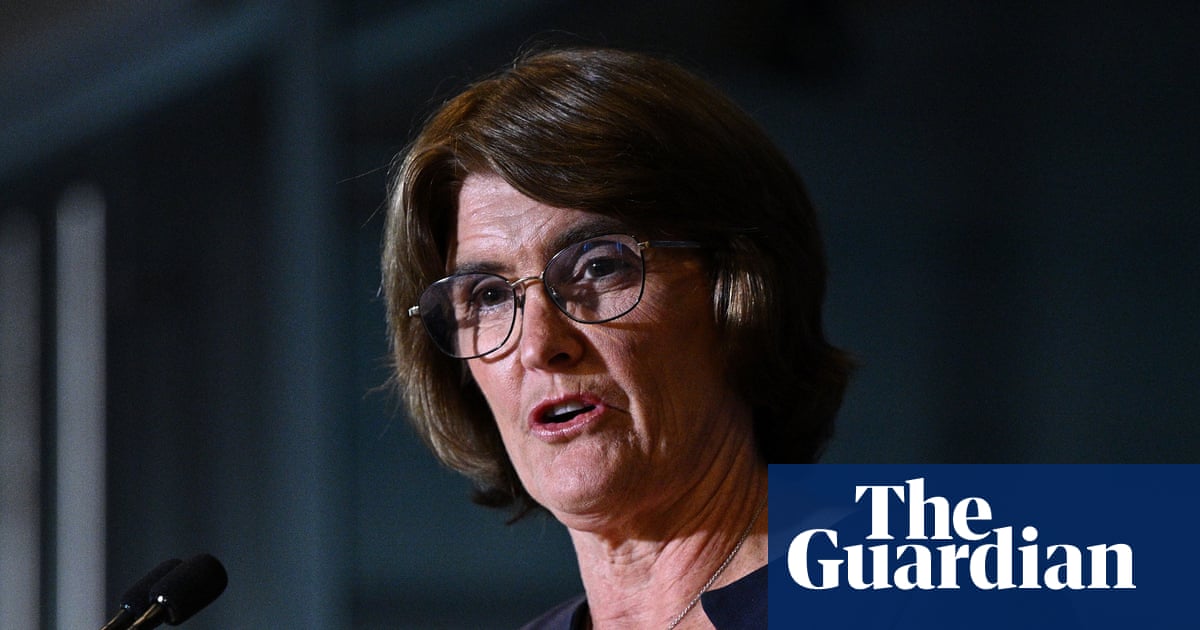
The Reserve Bank delivered a rate hike in a narrow 5-4 vote despite the unfolding Middle East conflict; inflation is 3.8% versus the 2.5% target. Governor Michele Bullock emphasized the risk that rising petrol prices could broaden inflation and justified the timing of the hike, while acknowledging limited modelling on prolonged war scenarios. Westpac estimates a three-month closure of the Strait of Hormuz could shave ~0.5 percentage points off GDP and add ~1.3 percentage points to inflation. The board signalled a possible further hike in May but said it will pivot if global growth deteriorates.
The board’s willingness to act now rather than wait materially compresses central bank optionality into the next 3–6 months; with policy space narrower, any prolonged external shock will force sharper and faster pivots. The operational consequence is a higher probability of policy whipsaw — initial tightening to fight pass-through inflation followed by easing or delay if growth deteriorates — which increases volatility in rates, FX and credit curves as markets price two competing regimes.
A sustained energy shock is a classic stagflation shock for an energy-importing, credit-levered household sector: rising fuel and logistics costs lift input inflation within a month while simultaneously depressing real disposable income and discretionary spending over 1–3 quarters. Mechanically, expect margin compression in airlines, freight and food processing; imported energy-driven terms-of-trade deterioration should put directional downward pressure on the AUD in the event the shock persists past 2–3 months.
Market positioning should therefore be bifurcated: hedge short-dated real-economy exposure while keeping convex optionality to capture an inflation persistence path. Short-duration rate instruments and bank NIM play favor the “inflation wins” path; long-duration/flight-to-quality and commodity hedges favor the “growth breaks” path. Execution should emphasize option structures and pair trades to avoid binary exposure to the political/geopolitical timeline.
The immediate opportunity is to buy insurance on the growth-break scenario while harvesting carry from the inflation-fight. Time horizons differ — tactical (days–weeks) to protect portfolios, and strategic (3–9 months) to position for a regime change if the conflict does not de-escalate.
AI-powered research, real-time alerts, and portfolio analytics for institutional investors.
Request DemoOverall Sentiment
mixed
Sentiment Score
0.00
