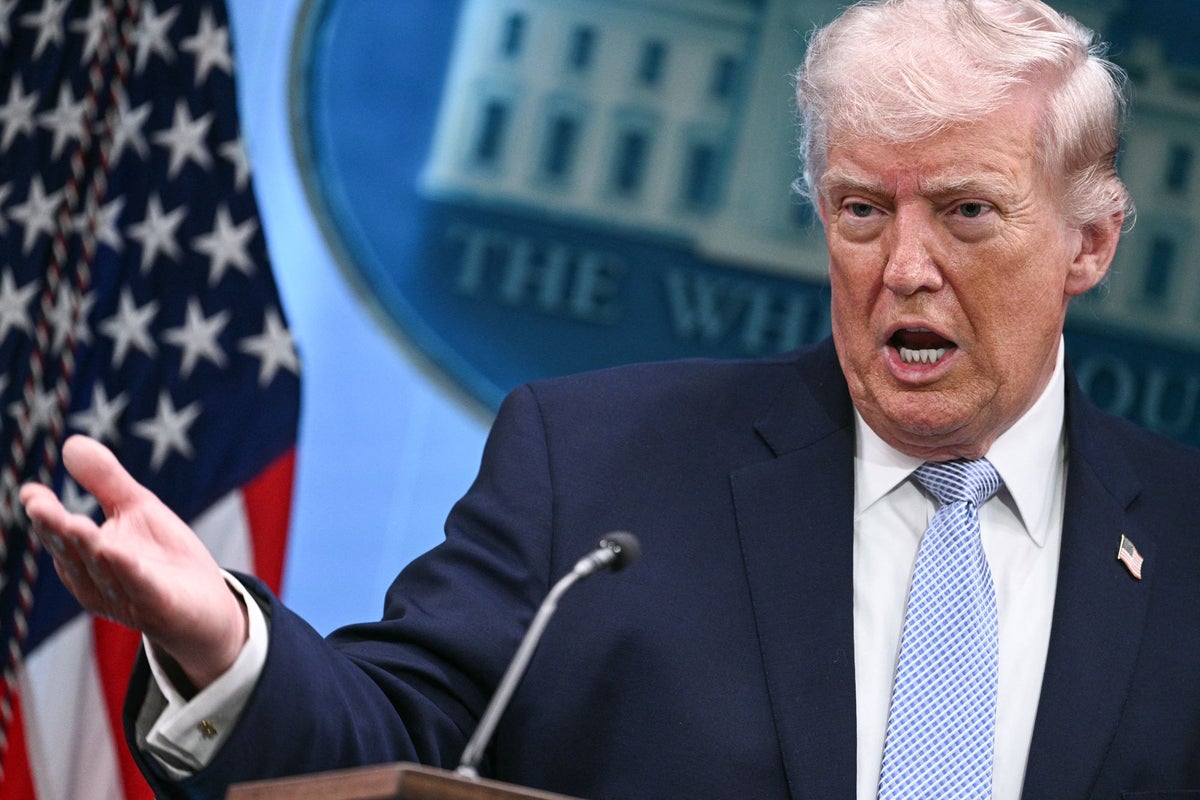
US President reportedly gave NATO allies days to deploy warships to the Strait of Hormuz as ship traffic through the strait is at a standstill and Iran warned of anti-ship mines, escalating regional risk. The US-mediated ceasefire is fragile after Israeli strikes in Lebanon — over 1,700 killed and more than 1 million (≈20% of Lebanon) displaced — and Iranian/IRGC warnings of renewed hostilities. Oil prices have surged amid the disruption, creating a pronounced risk-off environment that could widen energy risk premia and materially disrupt shipping-dependent supply chains.
Market mechanics are now skewed toward premiums on transit risk and time-charter markups: a credible threat to a major Persian Gulf transit route increases voyage distances by single-digit percentage points but compounds fuel, insurance and working-capital costs for shippers, which can lift break-even delivered crude/chem feedstock costs by several dollars per barrel within weeks. Expect waterborne freight indices and short-term charter rates (tankers, bulk, and container spot) to lead price discovery while forward curves in oil and LNG decouple—prompt-month prices will spike more than calendar spreads, creating a steep front-month backwardation window. Defense procurement and insurance are the canonical beneficiaries, but the non-obvious winners are owners of mid-size tankers and re/insurers that underprice war-risk layers today; conversely, aircraft lessors, flag-dependent container lines, and refiners with tight feedstock optionality are exposed to margin compression. European industrial exporters face a two-way squeeze: higher energy-driven input costs and a political funding shock if alliance cohesion frays, pressuring credit spreads in the next 1–6 months and making short-duration rate-sensitive equities vulnerable. Key risk paths and timeframes: within days-weeks, spikes in war-risk premiums, FFA volatility and CDS widening are the best early warning signals; within 1–3 months, front-month oil/LNG and spot freight determine earnings hits for shipping and refined-product-intensive sectors; within 6–18 months, defense capex and reinsurance pricing cycles are the main potential value creators. Diplomatic de-escalation or rapid alternative-basing could compress risk premia quickly, so size positions to survive headline whipsaws and focus on instruments with defined loss (option structures) where possible.
AI-powered research, real-time alerts, and portfolio analytics for institutional investors.
Request DemoOverall Sentiment
strongly negative
Sentiment Score
-0.75
