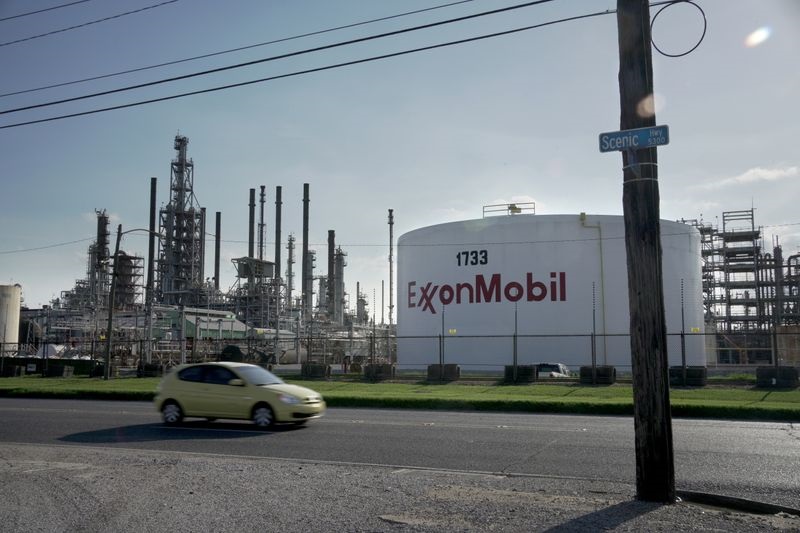
White House meetings with Exxon, Chevron and ConocoPhillips CEOs warned that continued disruptions in the Strait of Hormuz could materially tighten global oil supplies, drive crude prices higher and produce shortages of refined fuels. The administration is weighing measures including easing sanctions on Russian oil, releasing emergency reserves and boosting Venezuelan flows, but industry execs say reopening the Strait is the only lasting solution to stabilize markets.
Persistent disruptions to a chokepoint like the Strait of Hormuz will create a time-limited but material risk premium on both crude and refined product markets: expect acute volatility over days-to-weeks and a sustained premium over 1–6 months as logistical snarls and insurance frictions prevent swift rebalancing. Practically, this shows up as outsized moves in product cracks (gasoline/diesel) relative to Brent — refiners with export capability and flexible feedstock capture the first order of margin expansion while integrated majors only partially monetize it through downstream offsets.
Second-order winners include owners of tankers and VLCCs (floating storage/idle tonnage demand), bunker fuel suppliers in rerouting scenarios, and commodity trading desks that can arbitrage dislocated regional cracks; losers include asset-light industrials with high diesel intensity and airlines/road freight operators facing steep short-term fuel expense inflation. Key medium-term offset: incremental US shale can add supply within 3–12 months but is limited by takeaway and CAPEX discipline, so a quick snapback is unlikely without clear policy moves or corridor security improvements.
Monitor high-frequency indicators to time positioning: AIS dark patterns and transit counts through the Hormuz lane, tanker insurance premia and P&I announcements, contango/backwardation shifts in Brent/WTI and regional product curves, and SPR release cadence. Reversal catalysts that would rapidly compress the premium include a credible security corridor reopening, major insurance normalization, or targeted supply injections (official reserves or sanctioned-source reactivation) — any of which could unwind a large portion of the near-term volatility within 30–90 days.
AI-powered research, real-time alerts, and portfolio analytics for institutional investors.
Overall Sentiment
moderately negative
Sentiment Score
-0.45
