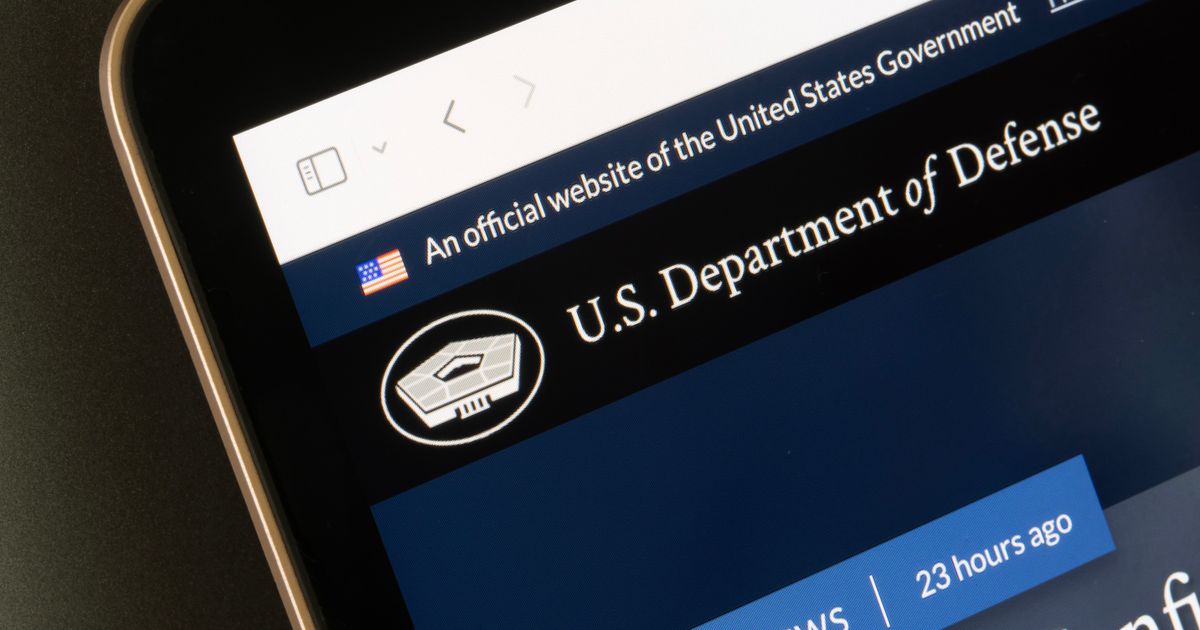
Anthropic CEO Dario Amodei is pursuing a negotiated resolution with the US Department of Defense after President Trump canceled the company's government contracts and the Defense Secretary labeled Anthropic a "supply chain risk," a designation that restricts defense contractors from working with the firm. The dispute centers on Anthropic’s guardrails—explicit bans on mass surveillance of US citizens and fully autonomous weapons—while the company says it will legally challenge the designation even as talks continue; sources also report the US military used Anthropic’s Claude model in recent operations against Iran.
Market structure: Short-term winners are U.S. cloud and vetted defense suppliers (MSFT, AMZN, LMT, RTX, NOC) as DoD pivots toward “trusted” vendors; chip demand beneficiaries (NVDA) remain intact because on-prem and classified AI require domestic hardware. Losers are niche/neutral third‑party model providers that insist on restrictive use-clauses (Anthropic private) and any prime contractor that relied on Claude for wartime ops; expect near-term procurement switching costs and RFP churn over 1–3 quarters. Cross-asset: safe‑haven flows could bid Treasuries if geopolitics escalate; implied vols on defense names should rise 10–30% relative to pre-incident levels in the next 30 days.
Risk assessment: Tail risks include broadening blacklist policies (DoD or DHS) that cut off multiple AI vendors — low probability but high impact for firms with >10% revenue from government (quarters). Immediate window (days): headline volatility and option IV spikes; short-term (weeks–3 months): legal challenge to supply‑chain designation with potential injunction; long-term (3–24 months): secular shift to domestically audited models and M&A consolidation. Hidden dependencies: several primes quietly used Claude for mission analytics (operational risk if access is revoked) and data lineage concerns could force rework of ML pipelines, adding 5–15% incremental project costs.
Trade implications: Tactical trades favor long positions in MSFT and NVDA for 3–9 months to capture cloud/compute reallocation and chip stickiness; favor defense primes (LMT, RTX, NOC) for 6–18 months on procurement re‑routing. Pair idea: long RTX (1.5% portfolio) / short AI (C3.ai ticker AI, 0.75%) to express defense pivot vs pure‑play enterprise AI re‑rating risk. Use options to capture event volatility: buy 3–6 month call spreads on MSFT/NVDA (5–15% OTM buy, 25–40% OTM sell) sized to 2–3% portfolio risk; consider buying 1–3 month puts on small-cap AI names to hedge headline shocks.
Contrarian angles: Consensus treats this as purely regulatory downside for Anthropic; market underestimates that a legal victory or a DoD operational need (evidence of Claude in combat) could rapidly reinstate contracts and create scarcity-driven pricing power for vetted model suppliers. Historical parallel: 2010–12 defense IT re‑certifications after cloud security incidents led to 20–40% multi‑year outperformance for incumbents; similar re-rating could occur here if procurement rules harden. Unintended consequence: stronger vetting accelerates onshore open‑model development, which increases long‑run demand for domestic GPUs and cloud capacity — bullish for NVDA and MSFT over 12–36 months.
AI-powered research, real-time alerts, and portfolio analytics for institutional investors.
Request TrialOverall Sentiment
moderately negative
Sentiment Score
-0.30
Ticker Sentiment
