





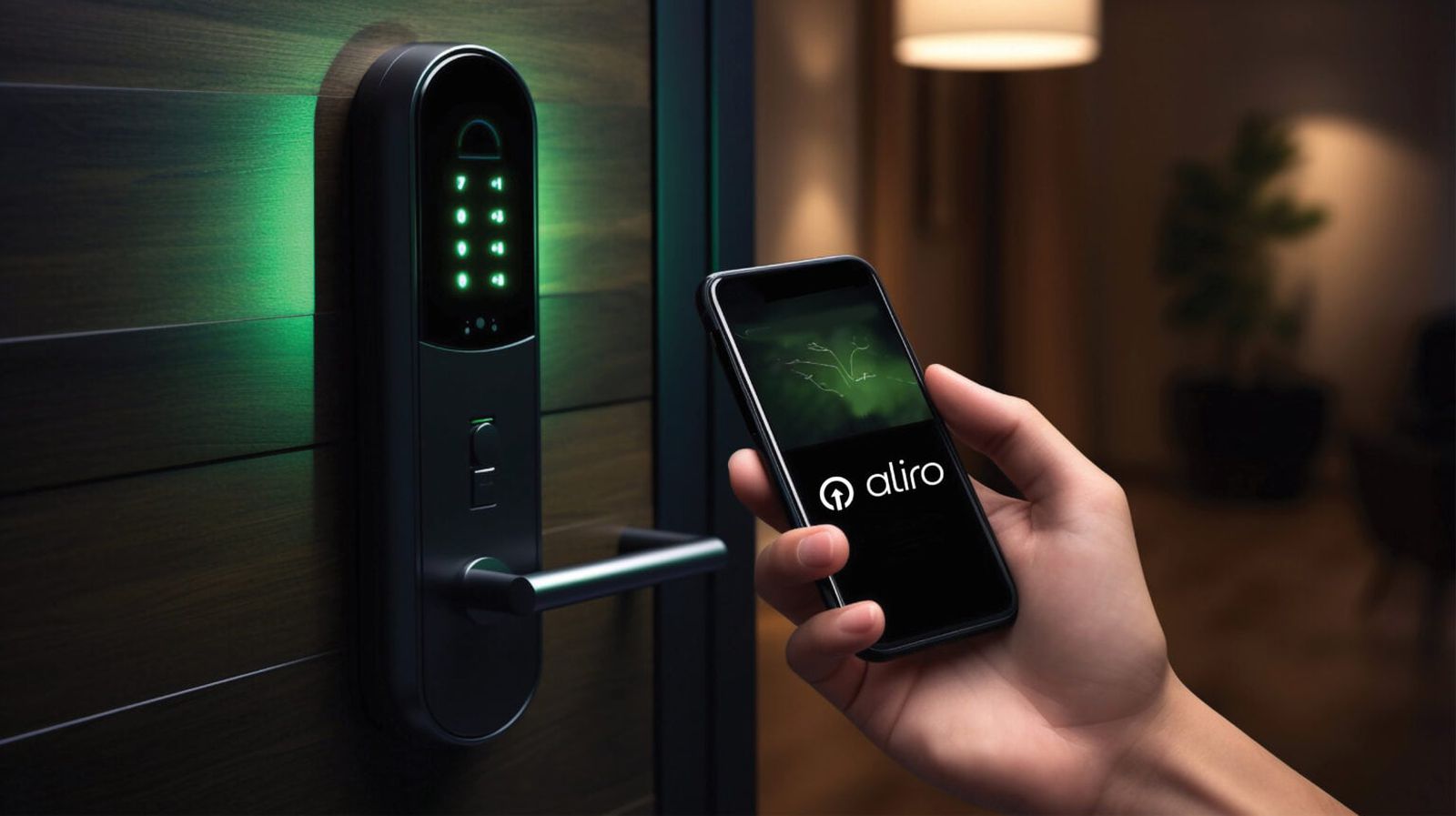
The Connectivity Standards Alliance released the Aliro 1.0 specification to standardize interoperability for smart locks across smartphones, wearables and access-control readers, enabling lock integration with wallet apps on iPhone and Android. Major platform and device vendors — including Apple, Google and Samsung — and hardware/security firms such as Allegion, HID, Kwikset, NXP and STMicroelectronics are among the initial certifiers, with support for NFC, Bluetooth LE and UWB and an asymmetric-cryptography framework to preserve security and privacy; feature additions like secure key sharing are planned.
Market structure: Aliro centralizes interoperability, rewarding platform owners (AAPL, GOOGL) and semiconductor suppliers that provide NFC/UWB/secure elements (NXPI, QRVO, STM). Large lock OEMs and access-control incumbents (ALLE, HID partners) gain distribution leverage, while proprietary app-only lock vendors face disintermediation and margin pressure. Incremental BOM per certified lock of roughly $2–6 implies $100–300m incremental annual revenue to lead chip vendors within 24–36 months if certified shipments reach 20–50M units.
Risk assessment: Tail risks include a major cryptographic breach or regulatory push (privacy/antitrust) that could force recalls or slow deployments; probability low but impact high. Immediate market reaction likely muted (days); expect meaningful stock/contractor activity over 3–12 months as certifications and product cycles roll out, and material revenue mix shifts in 12–36 months. Hidden dependencies: secure-element inventory, UWB silicon lead times, and wallet-provider prioritization — any supply bottleneck or OEM deprioritization would delay value capture.
Trade implications: Favor long positions in NXPI, QRVO, STM and selective long in ALLE and AAPL for platform exposure, sized modestly (1–3% each) and staged over 3 months around certification/product announcements. Use 6–9 month call spreads on NXPI/STM (buy delta ~0.30 calls, sell higher strike) to cap premium; consider covered-call overlays on AAPL to monetize near-term. Rotate into semis/security HW, reduce small-cap app/platform IoT exposure by 50% over next 6 months.
Contrarian angles: Market may underprice semiconductor upside because unit economics per lock are tiny but volumes scale over years; conversely near-term enthusiasm could be overdone since certification and retrofit cycles are slow — don't extrapolate immediate revenue. Historical parallel: Bluetooth standardization compressed OEM ASPs but drove chip volume and consolidated semiconductor winners; unintended consequence: concentration of credential control in Apple/Google may trigger regulatory scrutiny that slows adoption if it impairs competition.
AI-powered research, real-time alerts, and portfolio analytics for institutional investors.
Request TrialOverall Sentiment
mildly positive
Sentiment Score
0.35
Ticker Sentiment
