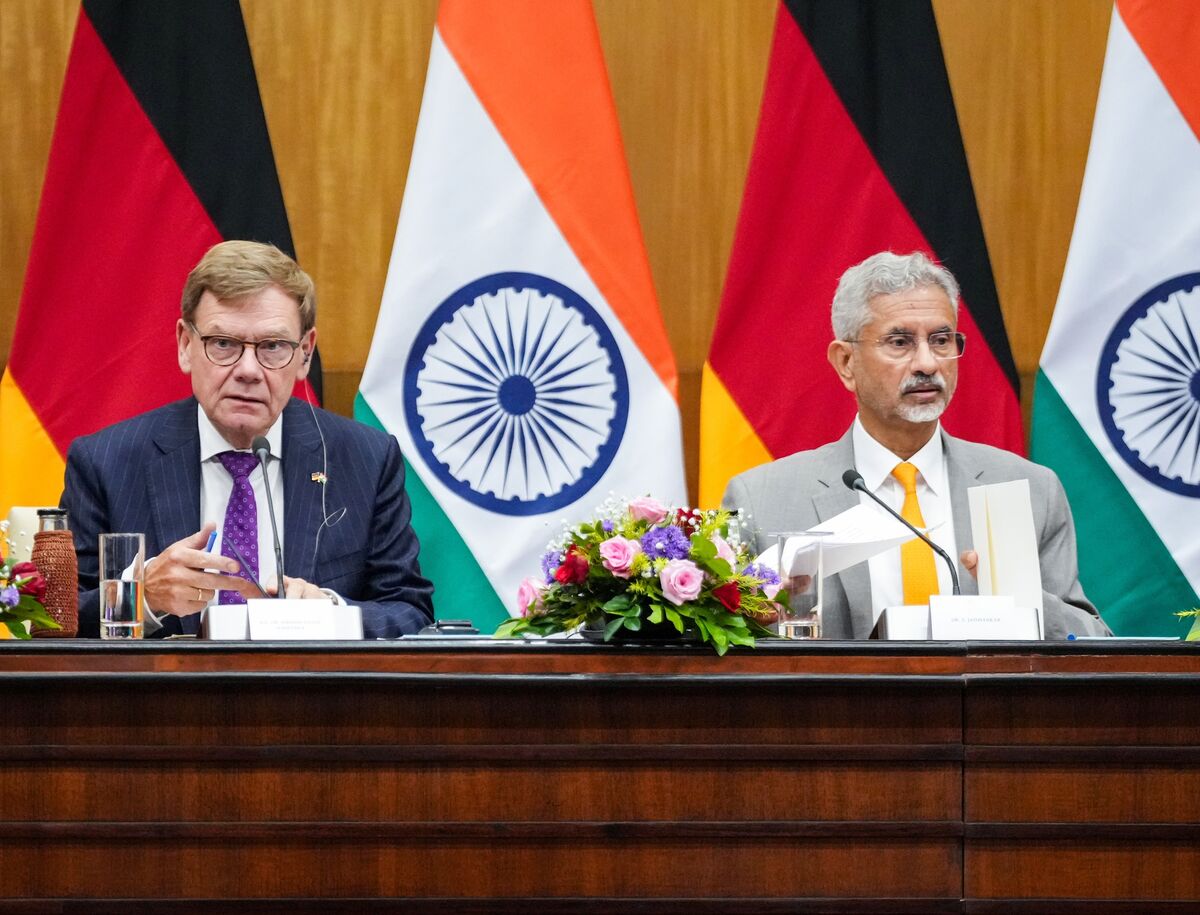
German Foreign Minister Johann Wadephul expressed optimism that the long-stalled EU-India free-trade agreement, under negotiation for nearly two decades, could be concluded by autumn this year. This signals a renewed push to finalize a major economic pact, despite persistent differences over agriculture and market access.
A statement from Germany's Foreign Minister injects fresh optimism into the long-stalled EU-India free-trade negotiations, targeting a conclusion by autumn this year. This represents a notable shift in political momentum for a deal that has been under discussion for nearly two decades, consistently hindered by what the article terms "entrenched differences" in key areas such as agriculture and market access. A successful accord would be a significant development for global trade policy, potentially unlocking new opportunities for European firms in a major emerging market and supporting the broader strategic goal of supply chain diversification away from other regions. While the optimistic timeline is a positive signal, the historical context of persistent disagreements suggests that formidable hurdles must still be overcome, and the statement should be viewed as an indicator of renewed political will rather than a guarantee of imminent success.
AI-powered research, real-time alerts, and portfolio analytics for institutional investors.
Request DemoOverall Sentiment
moderately positive
Sentiment Score
0.50
