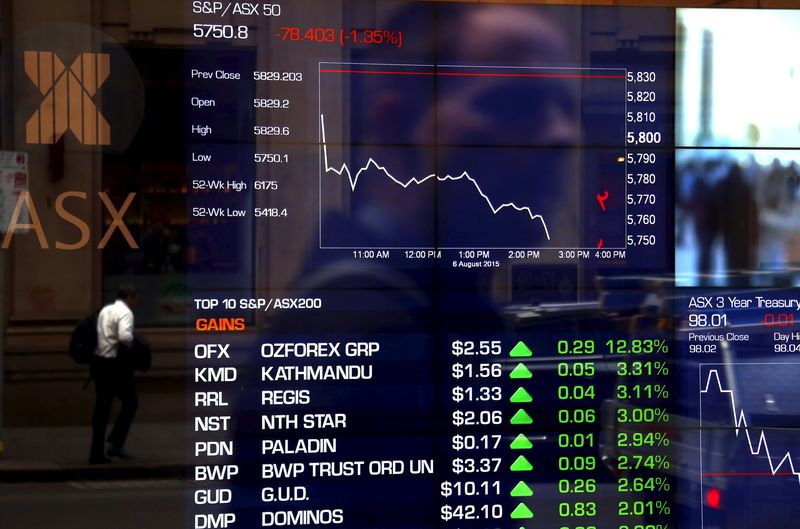
The S&P/ASX 200 fell 1.65% to a new 3-month low as decliners (1,036) vastly outnumbered advancers (181) and 288 were unchanged; the S&P/ASX 200 VIX jumped 18.37% to 17.53. Top gainers included Viva Energy +13.98% to 2.40 (52-week high), Yancoal +6.91% to 8.04 and Woodside +6.76% to 33.56 (52-week high); biggest losers were Westgold -12.56% to 5.39, Vault -10.61% to 4.13 and IperionX -10.49% to 3.63. Commodities: Gold down 1.00% to 4,847.44/oz, WTI crude (May) +0.95% to $96.37/bbl, Brent (May) +4.10% to $111.78/bbl; FX: AUD/USD ~0.70, AUD/JPY 112.43, DXY futures 99.96.
Concentration of advanced compute demand into a handful of platform suppliers creates asymmetric profit capture but also single-point-of-failure risk across multiple industries. A supplier with pricing power can monetize demand both through unit ASPs and software/firmware lock-ins, squeezing smaller OEMs and forcing downstream firms to either accept margin compression or vertically integrate.
Higher structural compute intensity raises incremental electricity and logistics needs that intersect with commodity and energy markets unevenly — this amplifies cyclical cashflow for upstream energy producers while increasing input cost risk for manufacturers and miners. Currency moves in resource-exporting economies will magnify reported earnings volatility and create windows for currency-hedged arbitrage between commodity receipts and capex spend.
Key near-term reversal catalysts are non-linear: an abrupt inventory digestion at OEMs, export-control changes that reroute demand, or a macro growth shock that forces AI training budgets lower. These manifest on different horizons — days for positioning and volatility, quarters for inventory/earnings resets, and years for brute-force compute demand — so hedges must be horizon-aware and cost-efficient.
Consensus underprices optionality embedded in volatility and in-country demand segmentation. The market tends to treat platform demand as smooth; the more likely path is pulsed capex (model runs, new product cycles) that creates recurring windows to buy volatility and sell directional exposure into strength rather than buy-and-hold at single valuation inflection points.
AI-powered research, real-time alerts, and portfolio analytics for institutional investors.
Overall Sentiment
mildly negative
Sentiment Score
-0.25
Ticker Sentiment
