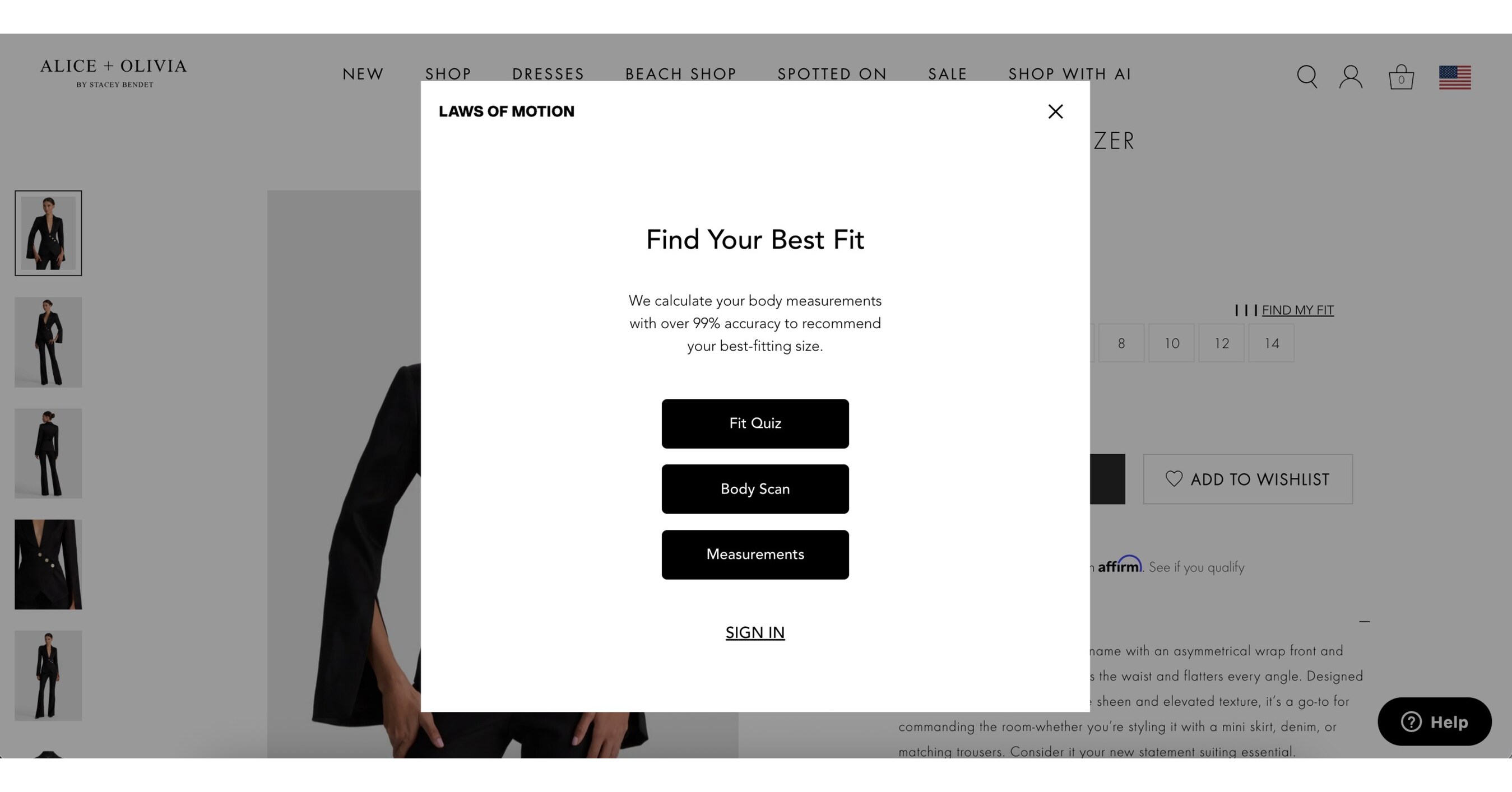
Laws of Motion says its AI sizing technology enables 20X conversion and 70% fewer returns by using real-world body data to guide online size selection (99% measurement accuracy). The company is licensing the platform to brands globally (e.g., Alice + Olivia, ALC, Simkhai) and plans to sunset its in-house womenswear brand to focus on scaling the technology.
The economic lever here is not revenue growth; it is unit economics. If the claimed fit improvements hold in production, the first-order benefit lands in gross margin and working capital: fewer returns means less freight, less reconditioning, lower markdown risk, and higher inventory turns. That disproportionately favors online-heavy apparel brands with expensive reverse logistics and higher ASPs, where a small reduction in return rate can translate into outsized EBIT margin expansion over 2-4 quarters.
Second-order, this pushes competitive advantage toward brands that already own rich first-party customer data and can act on it quickly. Larger omnichannel players can fold fit data into assortment, but smaller digitally native brands may move faster and widen conversion gaps versus laggards still relying on generic size charts. The losers are more likely to be the ecosystem around returns: parcel/reverse-logistics volume, refund-processing platforms, and recommerce players that depend on returned inventory flow. If adoption spreads, the structural effect could be a quieter but persistent headwind for UPS/FDX margins and for resale supply over 6-18 months.
The contrarian risk is that press-release metrics overstate real-world durability. Fit tech often looks great in controlled tests but degrades when product naming, fabric stretch, regional sizing, and style variance enter the picture; brands will also be cautious about sharing body data and ceding customer experience to a third party. The near-term catalyst is not this company’s announcement, but whether incumbent brands disclose lower return rates or higher online conversion in upcoming earnings. If that evidence does not appear by the next 1-2 reporting cycles, the market should treat this as a niche tool, not an industry inflection.
AI-powered research, real-time alerts, and portfolio analytics for institutional investors.
Overall Sentiment
mildly positive
Sentiment Score
0.25
