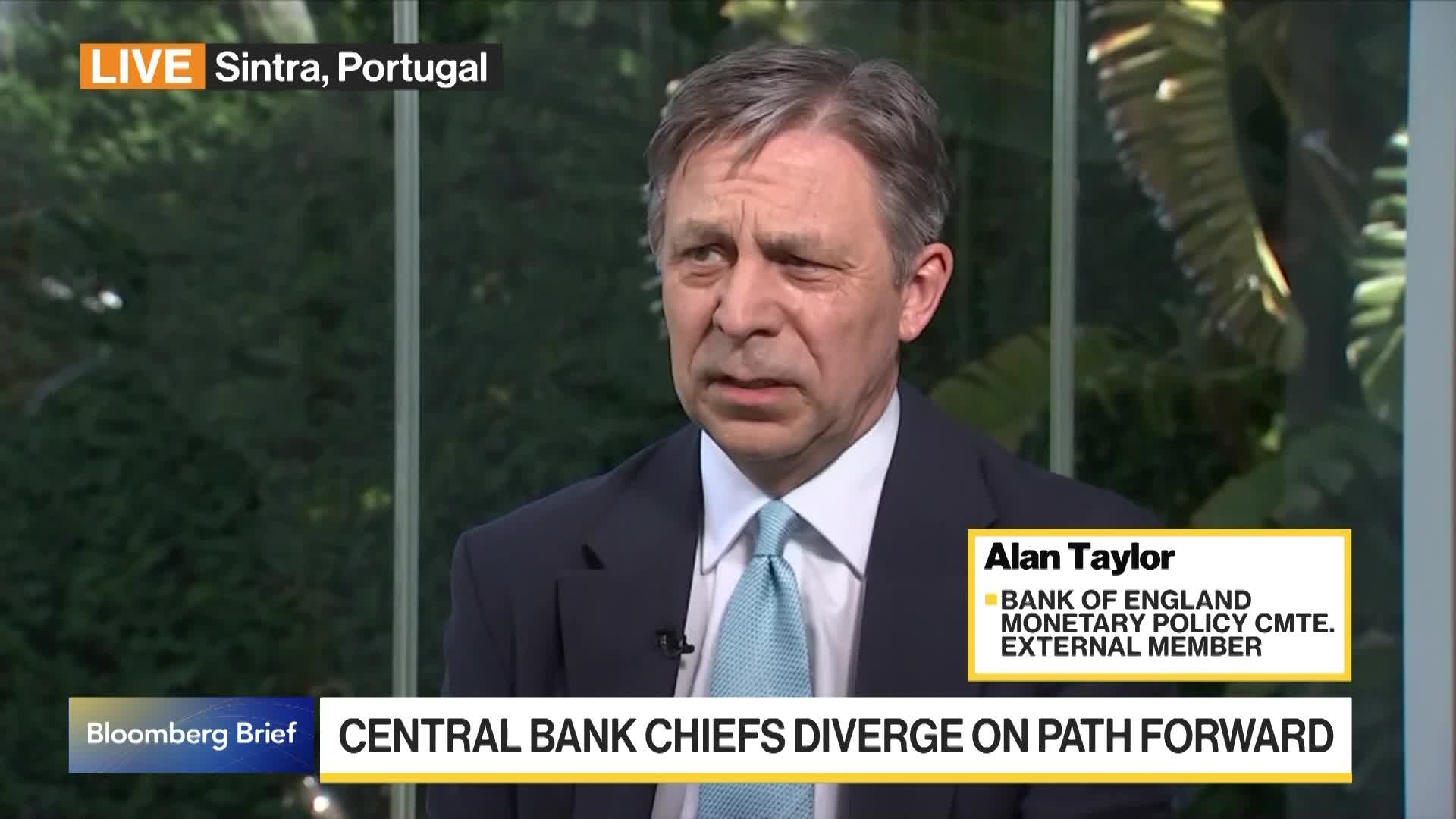
Bank of England official Taylor has advocated for three additional interest rate cuts in 2025, signaling a more dovish stance on future UK monetary policy than current market consensus. This outlook suggests a belief that inflation will be sufficiently contained to warrant significant easing next year, potentially impacting bond yields and currency valuations.
A Bank of England official, Taylor, has publicly advocated for three additional interest rate cuts in 2025, a stance identified as notably more dovish than current market consensus. This forward guidance signals a conviction that UK inflation will be sufficiently controlled to permit significant monetary easing. Such a policy divergence from market expectations carries a meaningful potential market impact, primarily for UK bond yields and currency valuations. A more aggressive cutting cycle than what is currently priced in would likely exert downward pressure on gilt yields and weaken the British Pound (GBP) as the interest rate differential with other major economies narrows.
AI-powered research, real-time alerts, and portfolio analytics for institutional investors.
Request DemoOverall Sentiment
moderately positive
Sentiment Score
0.45
