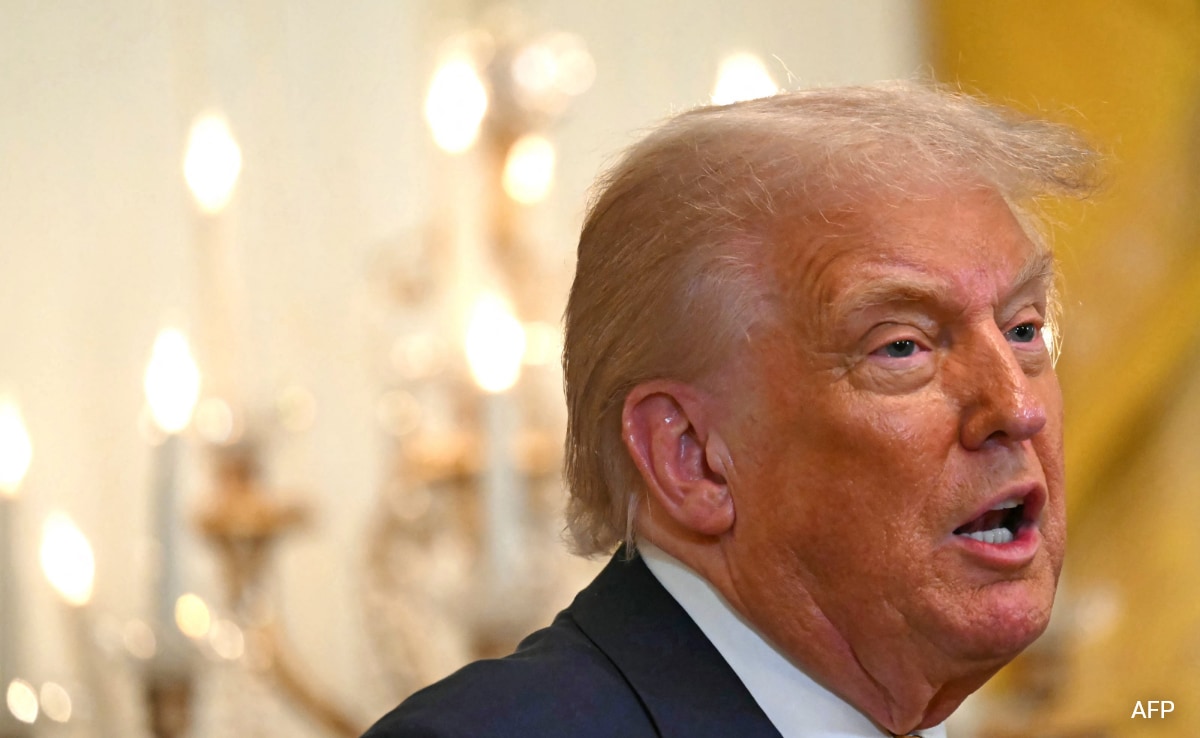
Trump said the U.S. faces a binary choice on Iran: pursue a deal or escalate militarily, underscoring rising conflict risk in West Asia. Pakistan has opened six overland transit routes for goods to Iran under a new April 25 order, even as thousands of containers remain stranded at Karachi port amid U.S. restrictions on Iranian ports and maritime access. The mix of potential military escalation and evolving transit policy could affect regional shipping, sanctions enforcement, and broader risk sentiment.
The market is still pricing this as a binary diplomacy headline, but the more durable read is that the policy mix is shifting toward transactional pressure rather than immediate kinetic escalation. That keeps the tail risk premium alive in energy, shipping, and defense, while also increasing dispersion inside the commodity complex: crude and refined products should react faster than equities because the first-order impact is on route risk, insurance, and inventory financing, not just outright supply loss.
The underappreciated second-order effect is corridor re-routing. If land transit through Pakistan becomes a workaround for sanctioned maritime access, the real beneficiaries are logistics intermediaries, overland haulage, rail/road infrastructure, and regional ports outside the direct sanctions perimeter. But that also raises enforcement risk: any tightening of secondary sanctions could create a stop-start trade pattern, which is toxic for working capital and argues for higher spreads on firms with Iran-adjacent exposure.
From a timing standpoint, the near-term catalyst window is days to weeks, not quarters. Any deterioration in talks or visible military positioning should steepen the front end of the oil curve and reprice defense names immediately; a genuine deal path would mostly unwind the risk premium rather than create a large fundamental upside surprise. The higher-probability outcome is continued ambiguity, which is usually worst for cyclicals that depend on stable freight and trade flows.
The consensus may be overestimating the odds of a clean breakout event and underestimating the value of optionality. In this environment, the trade is not necessarily outright long oil; it is long convexity around escalation and long beneficiaries of sanctions evasion and corridor buildout. That argues for owning asymmetry where a small premium buys exposure to either a crude spike or a sustained rerouting theme, while avoiding undifferentiated beta in global industrials exposed to Middle East shipping disruption.
AI-powered research, real-time alerts, and portfolio analytics for institutional investors.
Request DemoOverall Sentiment
moderately negative
Sentiment Score
-0.35
