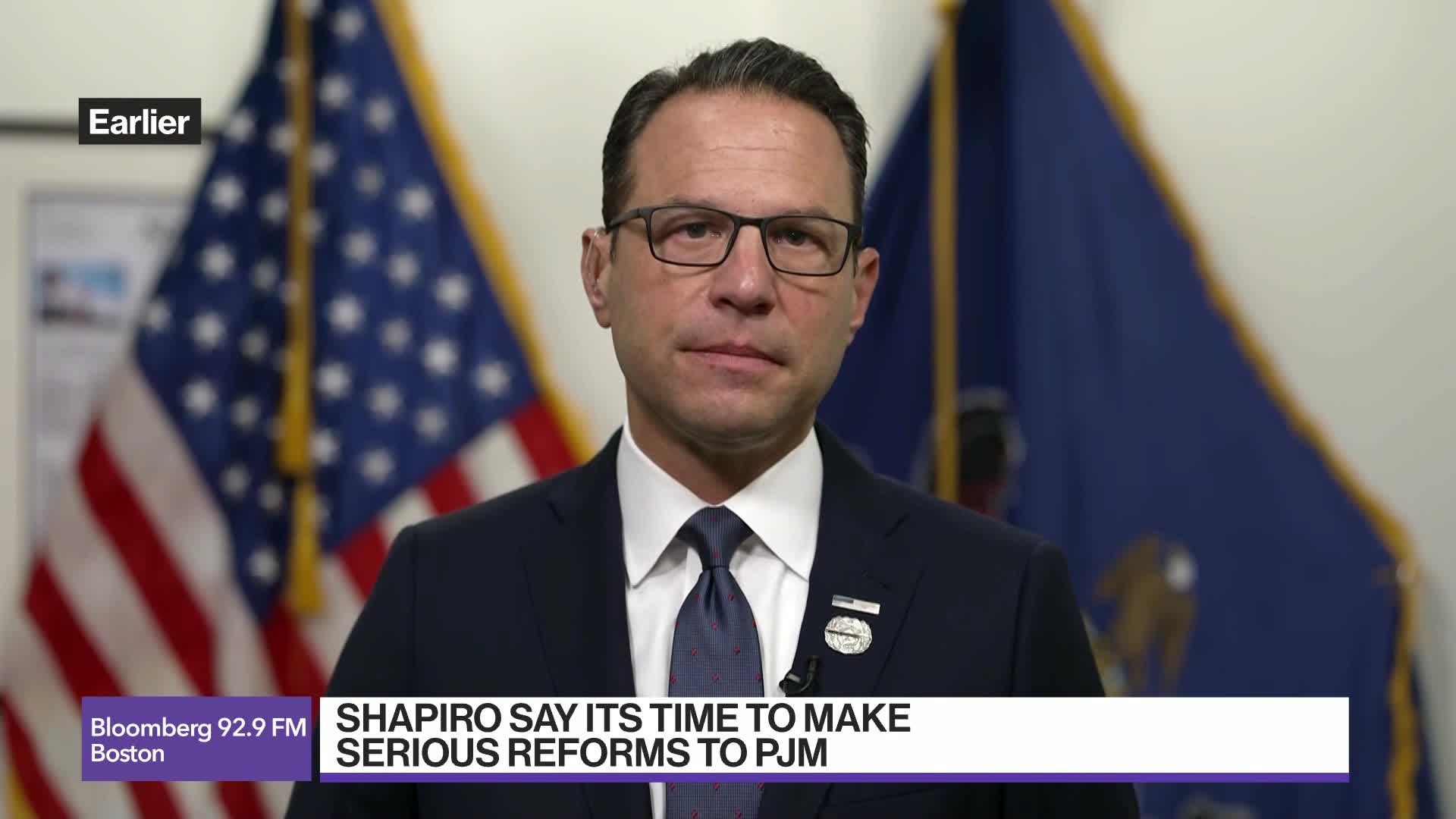
Pennsylvania Governor Josh Shapiro has threatened the state will withdraw from PJM Interconnection LLC, America's largest power grid, if the operator fails to implement reforms to control escalating energy costs. Shapiro stated Pennsylvania could independently produce sufficient energy more rapidly, signaling a potential shift in regional energy policy and grid stability if PJM does not address the state's concerns.
Pennsylvania Governor Josh Shapiro has introduced significant regulatory and operational uncertainty into the U.S. energy sector by threatening to withdraw the state from the PJM Interconnection, America's largest power grid. This hawkish stance, motivated by a desire to "rein in surging energy bills," directly challenges the operational and pricing framework of the regional grid operator. The governor's assertion that Pennsylvania can independently and more rapidly generate its own power suggests a potential shift toward state-level energy policy, a move that carries a moderately negative sentiment and a material market impact score of 0.6. The potential exit of a major energy-producing and consuming state like Pennsylvania could destabilize the entire PJM market, which serves 13 states, impacting grid reliability, wholesale power pricing, and the viability of long-term infrastructure investments across the region.
AI-powered research, real-time alerts, and portfolio analytics for institutional investors.
Request DemoOverall Sentiment
moderately negative
Sentiment Score
-0.50
