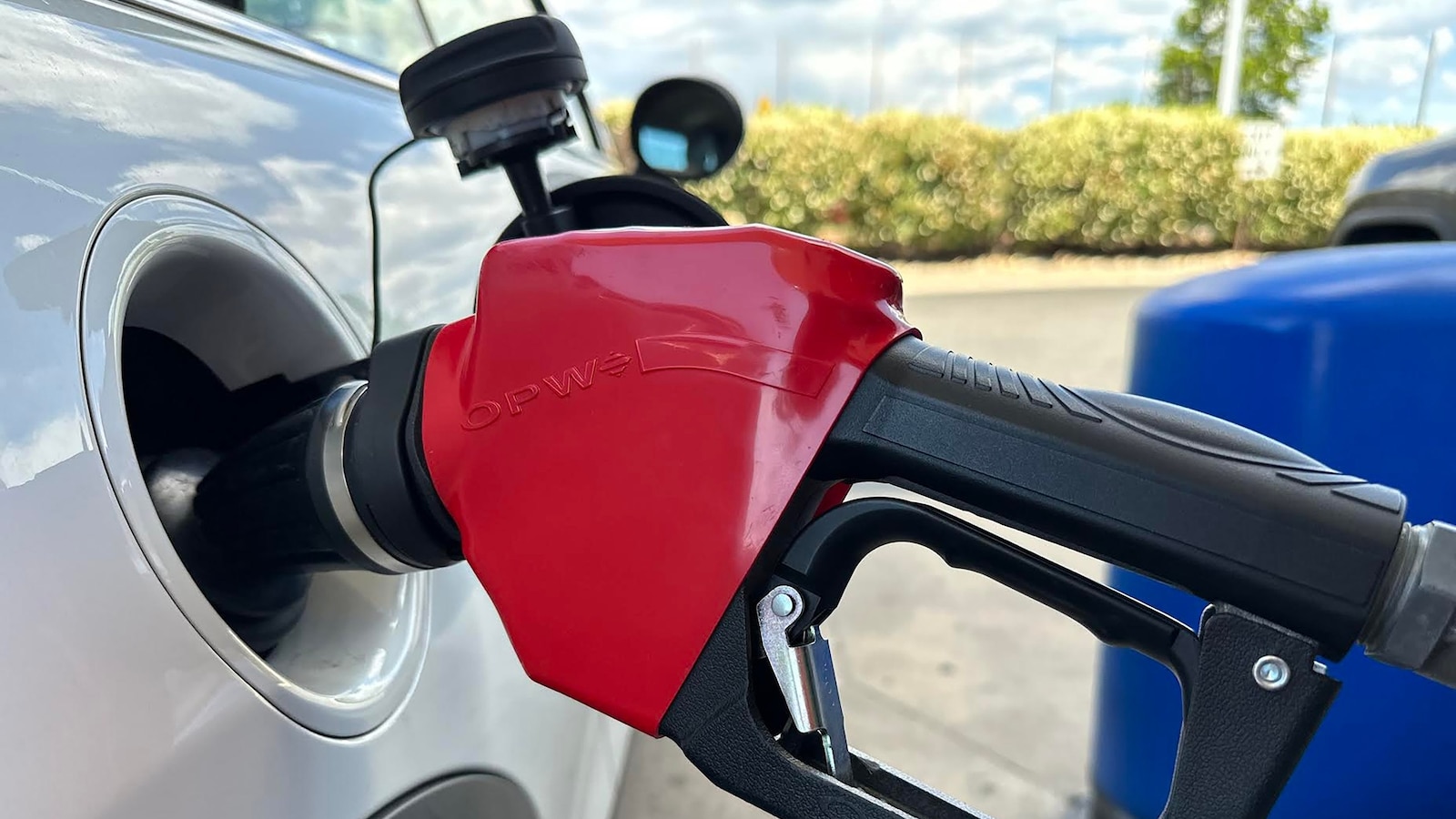
April PCE inflation rose to 3.8% year over year, the highest level since May 2023, after the Iran war pushed gasoline prices sharply higher. The savings rate fell to 2.6%, its lowest since 2022, and the benchmark Fed funds rate remains at 3.5%-3.75% with markets still expecting the Fed to hold next month, though odds of a year-end hike are now above one in three. The report increases pressure on the Fed to keep policy restrictive and underscores a broad market impact from the oil shock and inflation rebound.
The market’s first-order read is “higher-for-longer,” but the more important second-order effect is a squeeze on the consumer funding model. With savings rates already depleted, energy-driven inflation is likely to force trade-down behavior before it meaningfully changes headline spending totals, which means discretionary weakness will show up first in lower-velocity categories, not necessarily in aggregate retail sales. That favors defensives with pricing power and punishes retailers and brands dependent on middle-income elasticity.
The Fed reaction function is becoming asymmetrical: a continued oil shock can keep nominal yields pinned even if growth softens, raising the odds of a classic stagflation mini-cycle. In that setup, rate-sensitive long duration assets can underperform even without a growth collapse, because real rates and inflation risk premia both stay elevated. The market is still underpricing how quickly the bond market can reprice if gasoline stays near current levels for another 4-8 weeks.
The clearest beneficiary is the energy complex, but the best risk/reward may be in upstream names with low breakeven costs rather than broad index exposure. Refiners are less obvious winners here because input costs rise faster than product pricing when the shock is supply-driven and politically acute. A more interesting second-order trade is against consumer-sensitive transport and retail margins, where fuel is both a direct cost and a demand suppressant.
The contrarian view is that this may be closer to a transitory terms-of-trade shock than a durable inflation regime shift. If the geopolitical premium in oil eases or strategic supply is released, headline inflation can roll over quickly, forcing the market to unwind a hawkish rates repricing. That creates a window where inflation hedges work in the near term, but duration can rip higher on any de-escalation headline.
AI-powered research, real-time alerts, and portfolio analytics for institutional investors.
Request DemoOverall Sentiment
moderately negative
Sentiment Score
-0.35
