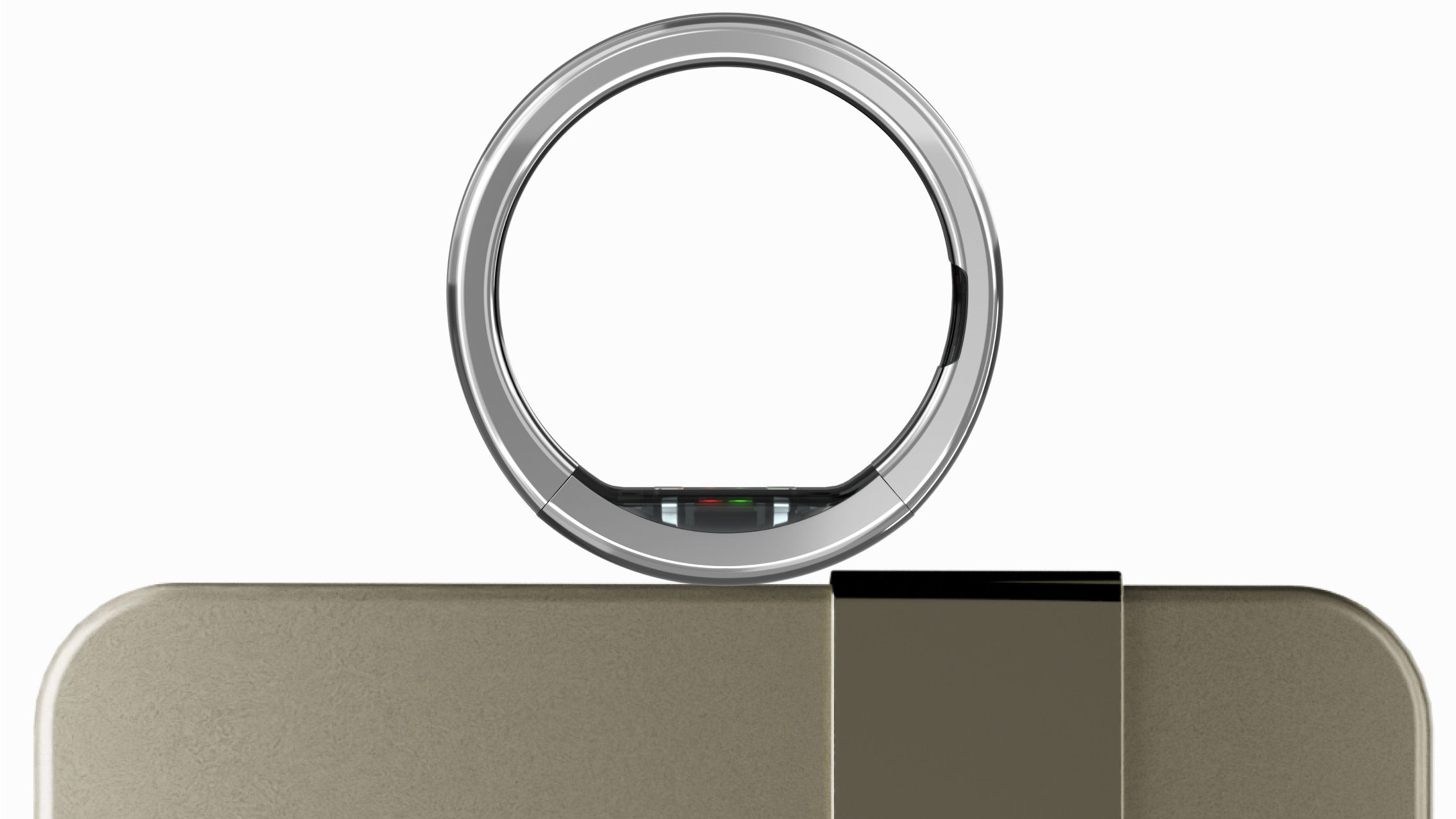
Ultrahuman launched the Ring Pro, a third-generation flagship smart ring priced at $479 with up to 15 days battery life (45 days with the new Pro charging case), a redesigned heart-rate sensor, and a dual-core processor capable of on‑chip machine learning; it ships in March in sizes 5–14 and four finishes. The device is positioned as a direct competitor to the Oura Ring 4, but initial U.S. availability is blocked amid prior patent litigation with Oura, introducing legal and market-risk that could constrain U.S. revenue upside for Ultrahuman and affect competitive dynamics in the premium wearables market.
Market structure: Ultrahuman’s Ring Pro increases product differentiation in the premium wearable/ring niche (price $479 vs Oura ~$350), favoring sensor, battery and on-device ML suppliers and regional incumbents in EMEA/APAC where US sales are blocked. Winners in near-term: component suppliers and subscription-capable platform owners; losers: single-product incumbents (Oura if forced into defense) and niche sports-watch players if rings steal sleep/recovery use-cases. Expect modest downward pricing pressure on mid-tier rings but limited impact on smartwatches given different feature sets and Apple’s ecosystem advantage.
Risk assessment: Tail risks include a US injunction or adverse patent ruling that halts Ultrahuman globally (high-impact, 3–12 months), or supply-chain shocks (chip or battery) that push ship dates beyond March — each could compress revenue by >30% for a smaller player. Hidden dependencies: on‑device ML accuracy conversion to subscription ARPU and firmware/update infrastructure (charging case as a data/firmware node). Key catalysts: UK/EMEA reviews in March–June, Oura litigation milestones in next 30–180 days, and first‑quarter shipment velocity.
Trade implications: Tactical trades should favor large-cap ecosystem plays (AAPL) and hedge incumbents exposed to feature displacement (GRMN). Use options to express asymmetric views around legal/launch volatility (3–9 month expiries). Rebalance sector exposure from smaller hardware-only names into diversified platform/AI wearables providers and semiconductor suppliers if launch metrics beat expectations.
Contrarian angle: Consensus underestimates how charging-case value-add (45-day offload + firmware) creates recurring touchpoints and retention — if Ultrahuman converts 5–10% of buyers to a $5–10/mo subscription within 12 months, implied LTV could justify premium pricing. Conversely, market may be overpricing near-term disruption to Apple; smartwatch stickiness and integrated services make AAPL resilient, so avoid sweeping shorts in wearables.
AI-powered research, real-time alerts, and portfolio analytics for institutional investors.
Request DemoOverall Sentiment
mildly positive
Sentiment Score
0.24
Ticker Sentiment
