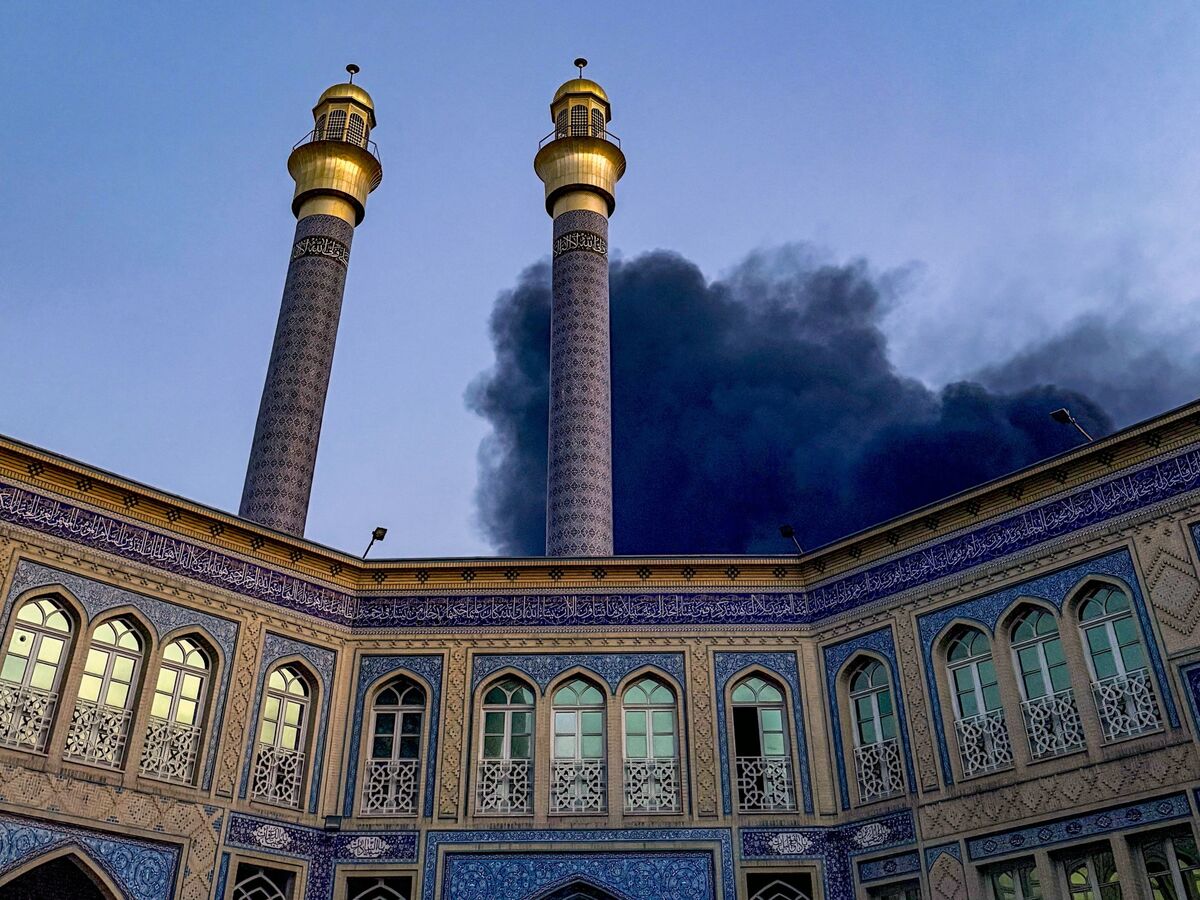
Iran's Supreme Leader Ayatollah Ali Khamenei rejected President Trump's call to surrender to Israel amidst ongoing conflict, warning of "irreparable damage" if the U.S. joins Israel's military offensive. Trump has not ruled out U.S. involvement in attacks against Iran's nuclear sites, stating a decision is pending, further escalating tensions and complicating prospects for a swift resolution.
Geopolitical tensions have significantly escalated following Iran's Supreme Leader Ayatollah Ali Khamenei's rejection of U.S. President Trump's call for surrender amid ongoing Israeli military actions, with Khamenei warning of "irreparable damage" should the U.S. join the offensive. The conflict, now in its sixth day, faces a protracted outlook as the White House deliberates potential U.S. military involvement, specifically concerning attacks on Iran's nuclear facilities. President Trump's ambiguous statement, "I may do it. I may not do it," regarding a U.S. strike, further fuels regional instability and market uncertainty. This situation is characterized by a "strongly negative" sentiment (score: -0.7) and is anticipated to have a high market impact (score: 0.8), reflecting investor concern over potential broader conflict, as highlighted by themes of "Geopolitics & War," "Sanctions & Export Controls," and "Infrastructure & Defense."
AI-powered research, real-time alerts, and portfolio analytics for institutional investors.
Request DemoOverall Sentiment
strongly negative
Sentiment Score
-0.70
