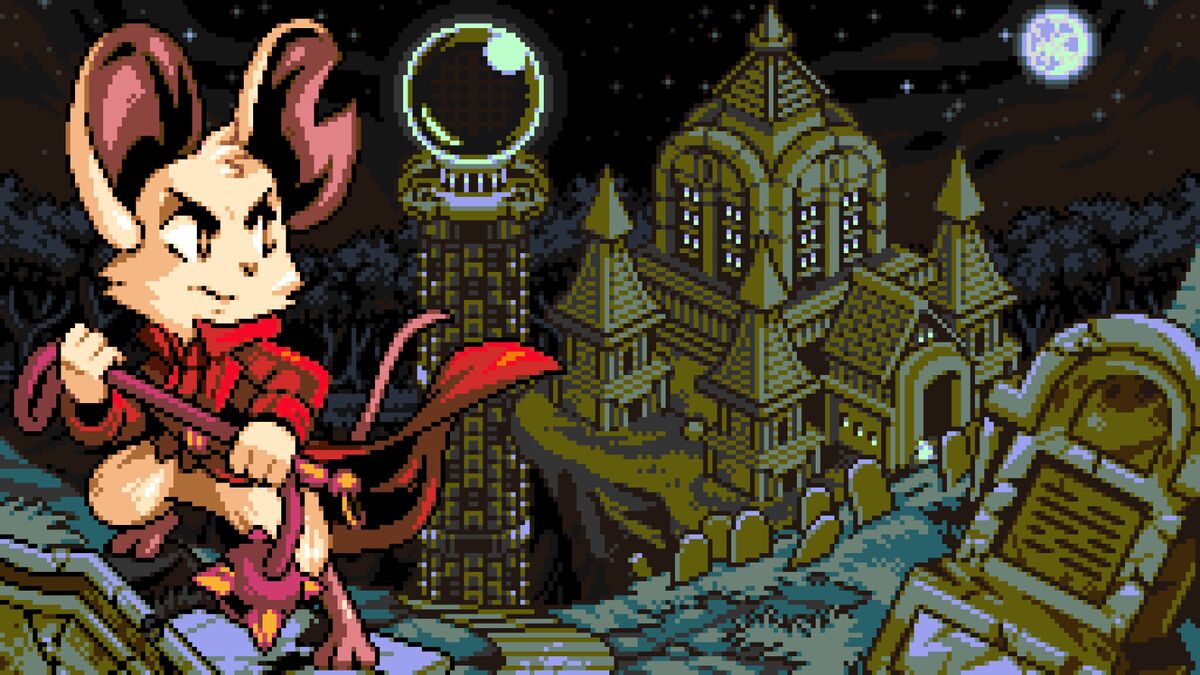
Yacht Club says its upcoming platformer Mina the Hollower will launch at a $20 price point, which the developers describe as a no-brainer for the game’s scope and positioning. The piece is primarily a pricing and product-strategy discussion rather than a financial update, so direct market impact appears limited. The low price may support consumer demand and broader adoption, but no sales or revenue figures were provided.
The pricing signal matters less as a one-off release decision and more as a read-through on how smaller premium studios are monetizing scarcity in a market where consumers have become more selective. A sub-$30 launch in a genre with low substitution friction can expand the addressable audience without materially raising unit economics if development is already sunk, which is especially valuable when discoverability on digital storefronts is expensive and hit-driven. The second-order winner is not just the studio, but the platform ecosystem that can convert more impulse purchases into higher engagement and repeat spending across DLC, sequels, and publisher relationships.
For competitors, the pressure is asymmetric: mid-tier indie titles priced at $30-$40 face a harder value comparison if they lack either brand equity or a strong differentiation hook. That tends to compress the long tail, pushing weaker launches into discounting within 30-60 days and advantaging franchises with established communities. At the same time, a lower launch price can train consumers to wait for discounts on comparable games, which is a medium-term margin headwind for publishers relying on premium pricing to recoup marketing spend.
The key risk is not demand collapse but demand misread: if the title overperforms at launch, the pricing strategy may be validated as volume-maximizing, but if it underperforms, the market may interpret the discount as evidence of weaker quality or limited confidence. The catalyst horizon is short-term around launch-week rankings and review velocity, but the real signal arrives over the next 1-3 months in attach rates, wishlist conversion, and whether the game sustains full-price sales rather than immediately migrating to promotions. A broader reversal would come if a wave of similarly priced indie launches resets consumer expectations and forces an industry-wide markdown cycle.
AI-powered research, real-time alerts, and portfolio analytics for institutional investors.
Request DemoOverall Sentiment
neutral
Sentiment Score
0.15
