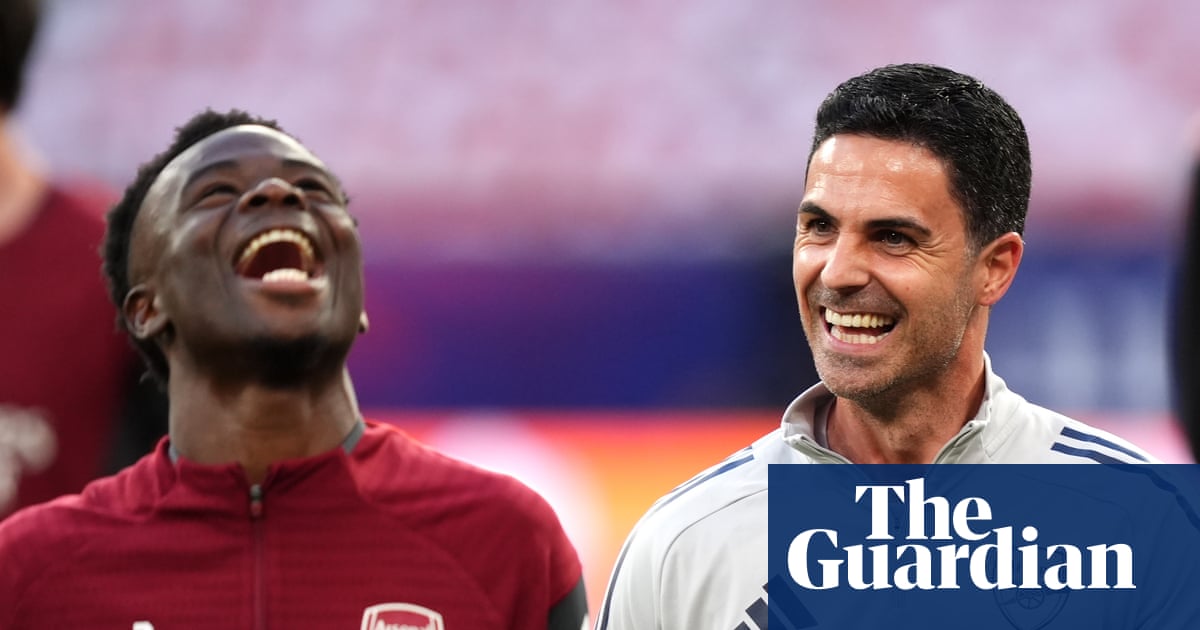
Arsenal enter Saturday’s Champions League final as reigning Premier League champions and with an opportunity to win the club’s first Champions League title, while PSG are attempting to defend their European crown. Mikel Arteta said the squad is hungrier for more trophies, and Jurriën Timber is expected to return from a groin injury. The article is primarily match buildup and sentiment around team confidence rather than market-moving financial news.
The marketable read-through is not to football clubs per se, but to the monetization of high-intensity, multi-competition brands. If Arsenal convert the title into a Champions League win, the upside is mostly in global sponsorship pricing power, merchandise velocity, and premium hospitality renewal rates; those benefits accrue over quarters, not days. The more interesting second-order effect is competitive pressure on PSG’s peers: a repeat European crown would reinforce the flywheel for elite-club media inventory, pushing smaller continental rivals further behind on commercial revenue and making talent retention even harder.
For investors, the key variable is not the result alone but the narrative delta versus expectations. Arsenal winning after finally ending the league drought creates a step-change in fan acquisition and international reach, while a loss would mostly be a near-term emotional setback with limited fundamental damage because the club has already restored domestic credibility. In contrast, PSG retaining the title would strengthen the perception that state-backed superclubs can sustain performance through squad depth, which can marginally support broader luxury/consumer-spend sponsorship ecosystems, but also risks amplifying regulatory scrutiny around financial fair play over the next 6-12 months.
The contrarian angle is that fatigue is being mispriced as a binary issue. A 63rd match matters less for minutes than for the probability of small execution errors in set pieces, transition defense, and late-game decision-making, where marginal slippage tends to show up in finals. That suggests the better trade is not a directional bet on either club, but on volatility around the event: a narrow result should preserve both brands, while a one-sided loss could compress sentiment temporarily before commercial metrics recover. The broader lesson is that elite football outcomes increasingly map to brand equity and sponsor negotiations, not immediate operating leverage.
From a positioning standpoint, the most actionable angle is to lean into diversified sports/media beneficiaries rather than single-club exposure. The event supports a modest uptick in global football engagement and premium live-event demand, which can lift broadcasters, betting, and ticketing ecosystems more reliably than the clubs themselves. Any post-final selloff in the losing side’s brand proxies should be viewed as tactical rather than structural unless followed by visible sponsor churn or managerial instability.
AI-powered research, real-time alerts, and portfolio analytics for institutional investors.
Request DemoOverall Sentiment
mildly positive
Sentiment Score
0.15
