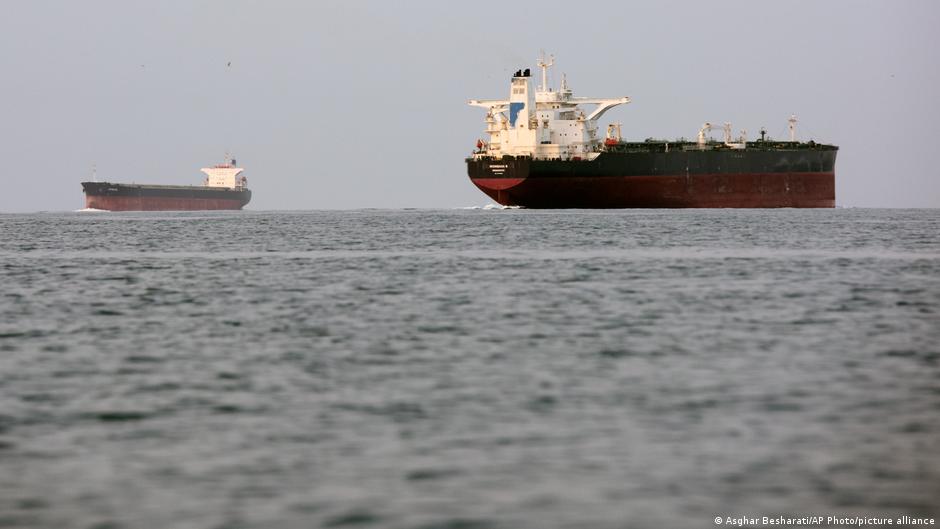
Iran again closed the Strait of Hormuz and warned that any ship approaching the waterway will be targeted, while UKMTO reported multiple attacks on vessels and damage to a container ship. The disruption threatens a critical global energy and shipping chokepoint, with India also raising concerns after two Indian-flagged ships were fired on. Separately, a French UN peacekeeper was killed in southern Lebanon, escalating regional risk further.
The market’s first-order read is higher crude and freight disruption, but the bigger second-order effect is a forced repricing of delivery reliability across Asia-linked supply chains. If Hormuz remains intermittently closed, the losers are not just refiners and airlines; it is any manufacturer running lean inventories in India, Japan, Korea, and Southeast Asia, because input timing risk becomes a working-capital problem before it becomes a pure fuel-cost problem. That favors carriers, ports, and logistics operators with rerouting optionality, while penalizing firms dependent on just-in-time maritime inputs and long-dated inventory turns.
The more interesting setup is that this is a policy shock, not a clean supply shock. Tehran is signaling it can toggle maritime risk as bargaining leverage, which means volatility may stay elevated even if headline hostilities ease. In that regime, the winners are companies with embedded pass-through clauses or inflation-linked contracts; the losers are asset-heavy transport and industrials that absorb spot shocks with a lag. Defense names also benefit, but the move is likely more durable in European air-defense, naval surveillance, and anti-drone supply chains than in traditional ground systems.
Contrarianly, the consensus may be overpricing a sustained energy bull market and underpricing diplomatic compression. If mediation from regional states gains traction, the near-term spike in crude and tanker rates could mean-revert faster than expected, especially if the Strait reopens even partially for a few days. The cleaner trade is not outright long oil; it is long volatility and relative value around shipping, defense, and air freight, where the market can keep paying for uncertainty even if spot barrels normalize.
AI-powered research, real-time alerts, and portfolio analytics for institutional investors.
Overall Sentiment
strongly negative
Sentiment Score
-0.72
