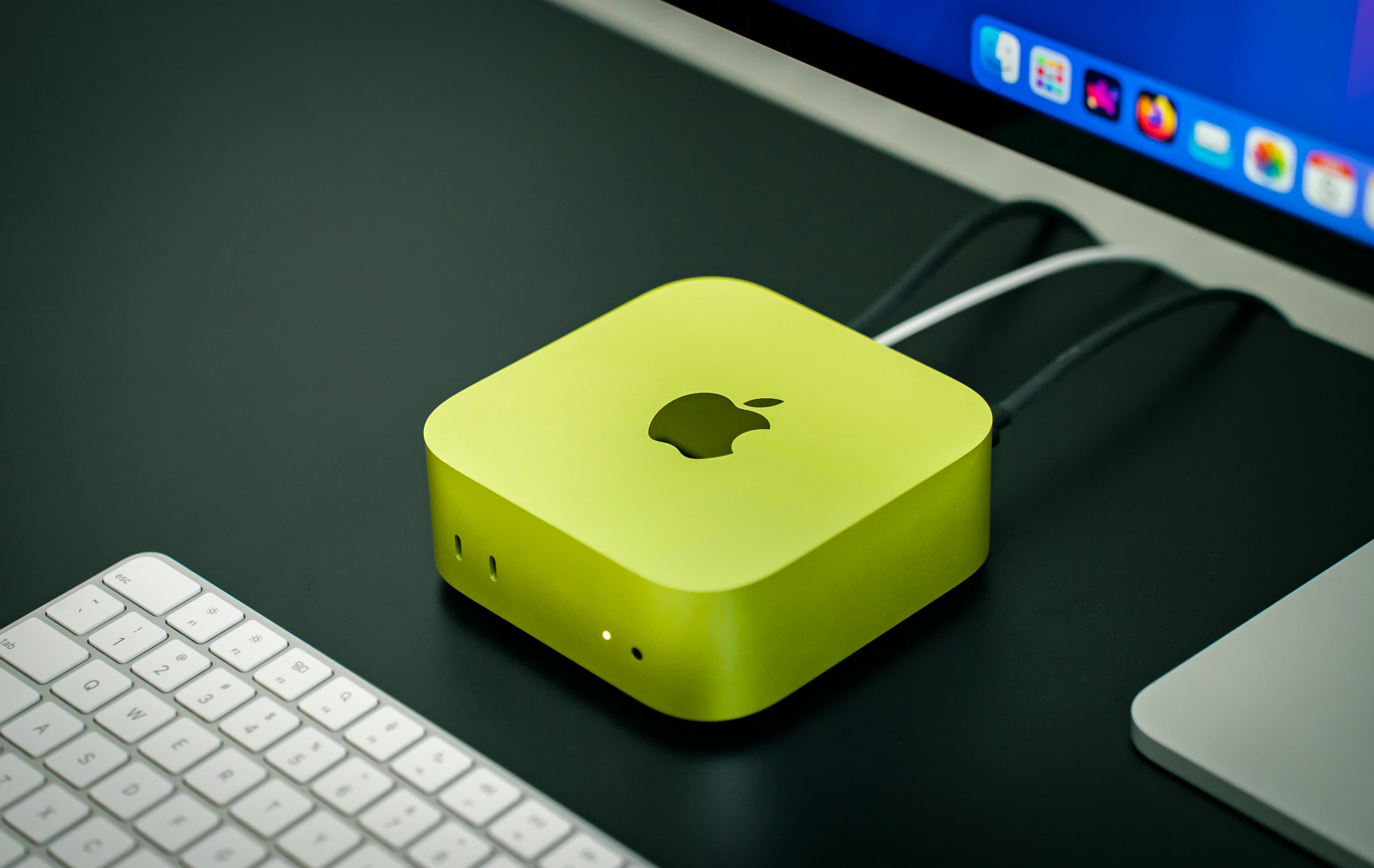
The article argues Apple could extend its low-cost MacBook Neo strategy into a hypothetical $299 Mac Neo desktop, using binned A19 Pro chips to monetize otherwise unusable silicon. It highlights a potential education-market play and a broader challenge to Windows’ sub-$700 desktop/laptop dominance, where Apple could gain long-term ecosystem users. However, the piece is explicitly conjectural and says no such product has been announced or credibly rumored.
The important read-through is not that Apple may add a cheap box, but that it is proving a repeatable monetization model for binned silicon across form factors. If this works, Apple’s low-end strategy stops being a one-off SKU experiment and becomes a structural lever to widen the installed base while preserving premium pricing at the top, which is negative for Windows OEMs that rely on the $500-$800 band for scale and ecosystem retention. The second-order effect is margin compression for the entire entry PC stack: if Apple can re-anchor consumer expectations on quality at a sub-$700 price point, the weakest link is not Microsoft’s licensing revenue, but the assemblers and component suppliers that built their economics around mediocre hardware differentiation.
For MSFT, the risk is more subtle than lost unit share. A cheaper, cleaner macOS entry point would exploit dissatisfaction with Windows at the exact moment when AI and memory-cost inflation are making budget PCs less compelling, potentially extending Apple’s share gains into education and first-job users for multiple refresh cycles. That matters because switching costs in operating systems are no longer just app compatibility; they are identity, cloud, and device-network effects. If Apple gets a student into a $299 desktop and later a $499 notebook, the lifetime revenue pool is more durable than the near-term hardware margin suggests.
The key contrarian point is that the market may be underestimating how supply-constrained this idea would be, which limits near-term revenue impact but increases strategic optionality. The best trade is not to chase a full Apple re-rating on a hypothetical product; it is to position for relative underperformance in the weakest Windows hardware names if Apple actually signals this lane, while recognizing that any execution failure or lack of chip inventory would kill the thesis quickly. Time horizon is months to years, but the catalyst window is much shorter: any evidence of dedicated low-end desktop packaging, education channel testing, or supply-chain allocation toward binned A19-class parts would be enough to move the group.
AI-powered research, real-time alerts, and portfolio analytics for institutional investors.
Request DemoOverall Sentiment
mildly positive
Sentiment Score
0.25
Ticker Sentiment
