
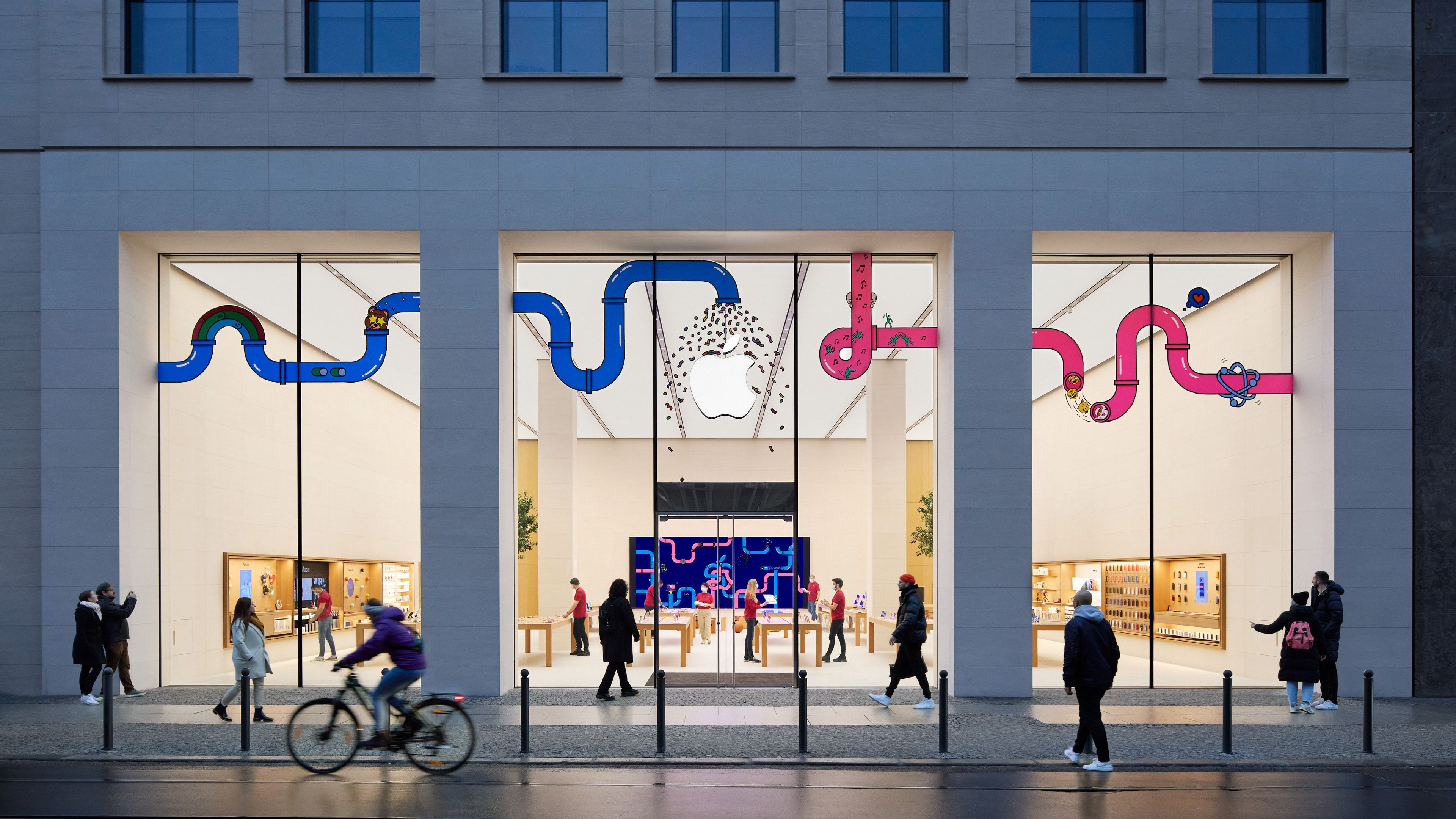
Apple is preparing a major product week with employees warned to expect a “major rush” as announcements begin Monday; Bloomberg’s Mark Gurman flags a rumored lower-cost MacBook likely to retail between $599–$799 (with a $100 education discount) that Apple believes could convert Windows and Chromebook users. The entry MacBook is said to use the A18 Pro chip (likely 8GB RAM, 12.9-inch display and standard USB-C), while other expected releases are primarily chip upgrades across iPhone, iPad and Mac lines—developments that could boost near-term hardware demand and investor expectations if prices and specs meet market hopes.
Market structure: A lower-cost MacBook at ~$599–$799 would directly benefit AAPL (higher volume, entry-level share gains), TSM (TSM) as the likely foundry winner, and accessory/ecosystem players (AAPL services upside). Losers include entry-level Windows OEMs (HPQ, DELL) and Chromebook makers where sub-$800 pricing compresses their addressable market; ASP compression for Apple is possible but offset by higher unit growth. On supply/demand, Apple signaling a big week plus student discounts implies near-term demand concentration (weeks around launch/back-to-school) and potential multi-quarter share gains if supply meets demand; TSM capacity tightness could push foundry lead times and semi pricing higher. Cross-asset: modestly risk-on equity flows, small downward pressure on high-grade spreads for Apple credit, limited FX impact, and slight upside to copper/aluminum demand in aggregate PC supply chains over quarters rather than days.
Risk assessment: Tail risks include disappointing pricing/features (product fails to convert Windows users), A18 Pro yield issues at TSMC, and regulatory scrutiny over vertical integration or educational discounts—each could shave 5–15% off upside scenarios. Time horizons: immediate (days) = news-driven AAPL IV moves; short-term (1–3 months) = sell-through and share-shift signals; long-term (3–12+ months) = ecosystem monetization and margin mix effects. Hidden dependencies: cannibalization of M-series MacBook lines, channel inventory build vs genuine end-user demand, and education discount uptake rates. Catalysts to watch: device teardown/perf reviews (48–72 hours post-launch), retailer sell-through data (2–8 weeks), and TSMC capacity commentary (next quarter guidance).
Trade implications: Direct: establish a 1.5–3% tactical long in AAPL ahead of announcements and hedge downside with a 6–8 week vertical call spread (long ATM, short +7% strike) to cap premium; take 50% profits on a >7% pop and reassess on product reviews within 3 trading days. Pair: go long AAPL (1–2%) and short HPQ/DELL (0.5–1%) to express switching risk over 1–3 months. Suppliers: add 1–2% long TSM for 3–12 month exposure to wafer demand; set stop-loss −8%. Options: if implied vol spikes, consider selling 4–6 week OTM puts for premium or converting to iron condors post-launch to monetize IV crush.
Contrarian angles: Consensus assumes Apple wins low-end share without margin pain; risk is meaningful ASP dilution if mix shifts >10% to the low-cost model, which could pressure gross margins by 150–300bps over two quarters. The market may underprice cannibalization of M-chip lines and overprice a quick enterprise/Windows switch — historical parallels: Amazon Fire/Chromebook launches drove unit share but limited ecosystem monetization. Unintended consequence: success could trigger competitors’ aggressive price cuts, creating a multi-year low-margin battle in entry laptops and pressuring PC OEM earnings more than current models imply.
AI-powered research, real-time alerts, and portfolio analytics for institutional investors.
Request TrialOverall Sentiment
mildly positive
Sentiment Score
0.35
Ticker Sentiment
