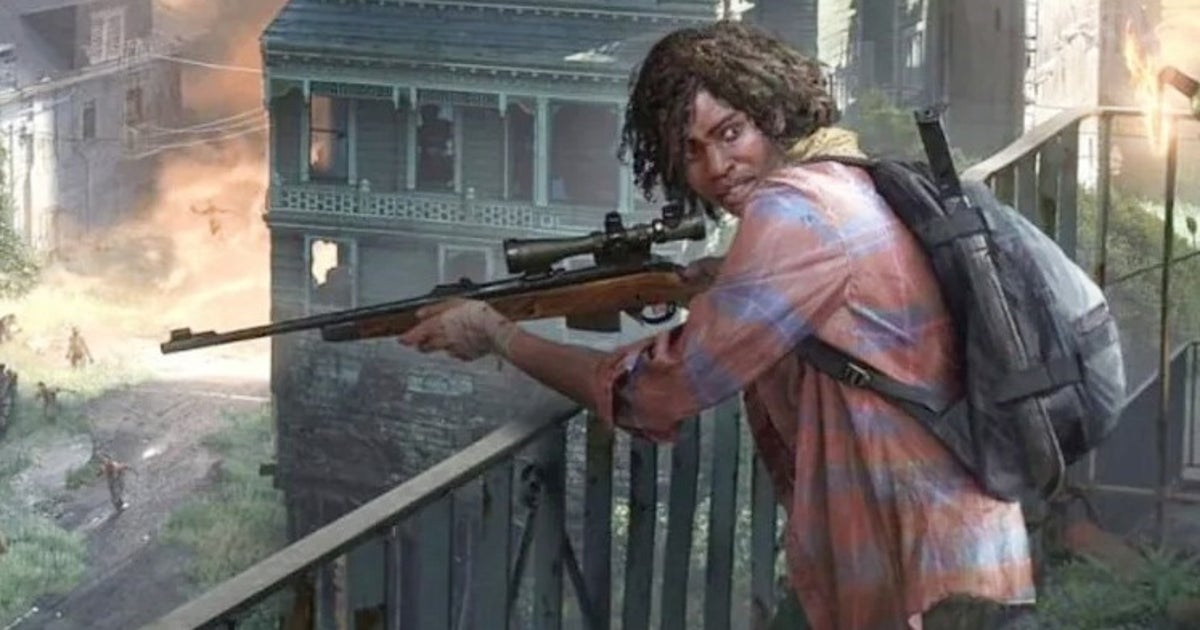
Naughty Dog’s standalone The Last of Us multiplayer project was ultimately cancelled in December 2023 after being described as roughly 80% complete, with the former director saying he learned of the cancellation just 24 hours before the public announcement. The comments underscore internal frustration and the loss of a highly anticipated product, though the article does not indicate any immediate financial impact. Overall tone is negative for the project but likely limited in market relevance.
The market implication is not the cancellation itself, but the signal it sends about capital allocation discipline at high-fidelity game studios. A near-finished multiplayer title being shelved suggests management is prioritizing brand control and opportunity cost over sunk cost recovery, which is healthy for long-run IP value but negative for near-term release cadence and monetization. For peers, that raises the bar for live-service execution: publishers will need either stronger retention economics or lower upfront development risk to justify greenlighting expensive multiplayer bets.
Second-order, this is more bullish for companies that monetize broad content libraries and less dependent on a single franchise launch window. In interactive entertainment, the biggest risk is not one cancellation but a shift in expected project mix toward fewer, larger, more discretionary bets that extend time-to-cash by 12-24 months. That tends to compress valuation multiples for studios with heavy pipeline concentration and rewards platforms with subscription, UGC, or recurring-service revenue because they can absorb hit-driven volatility better.
The contrarian angle is that the negative reaction may be overdone if investors interpret the cancellation as evidence of creative weakness rather than capital efficiency. A studio willing to kill a late-stage project may actually improve future ROI by avoiding a multi-quarter drag on headcount and marketing spend. The key catalyst is whether management can redeploy talent into a new title that preserves the same franchise equity; if not, expect a 2-4 quarter revenue air pocket and lower sentiment around pipeline visibility.
AI-powered research, real-time alerts, and portfolio analytics for institutional investors.
Request DemoOverall Sentiment
mildly negative
Sentiment Score
-0.15
