


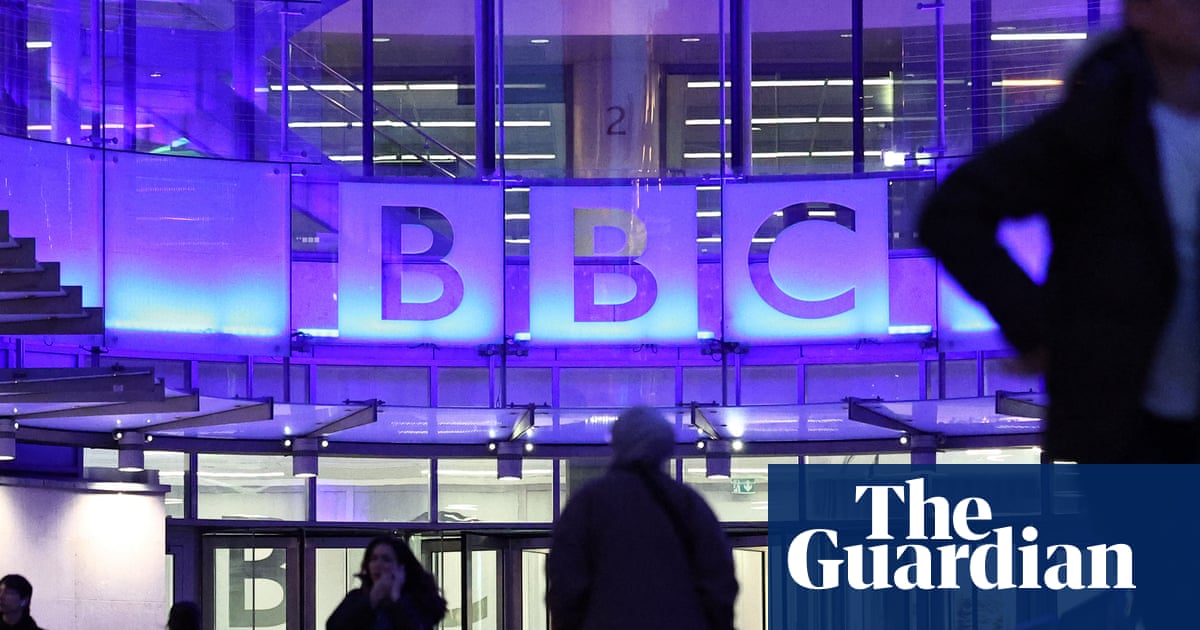
The BBC plans to cut as many as 2,000 jobs, about 10% of its 21,500 staff, as part of a £600m cost-cutting plan and a broader effort to trim 10% from its roughly £6bn annual cost base over three years. The restructuring comes ahead of Matt Brittin taking over as director general and amid pressure from declining licence-fee households, rising evasion, and a shrinking public-service TV audience. The news is materially negative for BBC staff and signals continued financial strain, though it is unlikely to have broad market-wide impact.
The direct equity read-through is modest, but the strategic implication is larger: this is another data point that legacy broadcast economics are still structurally shrinking while digital platforms absorb both attention and ad budgets. That favors scale operators with global distribution and recommendation engines, but it also compresses the value of premium scripted content that used to be “must have” for linear brands; the marginal buyer of content is increasingly a streaming platform, not a broadcaster, which weakens pricing power for studios over the next 12-24 months.
For NFLX and DIS, the BBC’s retrenchment is mildly positive in the sense that it reinforces cord-cutting and audience migration, but the benefit is asymmetric. Netflix is better positioned to capture hours watched because its engagement flywheel is intact, whereas Disney’s streaming stack is still more reliant on a bundle narrative and legacy linear cash flows that are deteriorating in the same direction as this article. The second-order risk for Disney is that content rationalization across the industry makes sports/news/live programming relatively more expensive per hour viewed, while scripted libraries become less defensible.
The bigger market signal is not headcount cuts; it is the funding model stress. A weaker public broadcaster with declining payer households means less commissioned local production and fewer guaranteed outlets for independent producers, which can pressure the broader U.K. media ecosystem and reduce the volume of mid-budget content development. Over 6-18 months, that is bearish for anyone exposed to traditional TV ad inventory, but potentially supportive for platforms that can capture cheap content supply and repackage it globally. The contrarian point: near-term headlines may overstate the benefit to streamers if the real issue is not winner-take-all streaming demand, but a demand shortfall in total premium video consumption as households simply spend less time on long-form media.
AI-powered research, real-time alerts, and portfolio analytics for institutional investors.
Request TrialOverall Sentiment
strongly negative
Sentiment Score
-0.70
Ticker Sentiment
