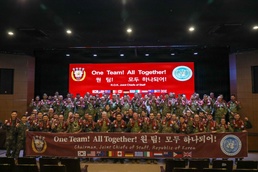
Freedom Shield 26 (Mar 9-19, 2026) — a combined ROK–U.S.–UNC defensive exercise — commenced on the Korean Peninsula with multinational augmentees arriving to bolster UNC HQ and participating in orientation visits to the JSA and the War Memorial. The exercise aims to strengthen alliance readiness and collective deterrence; it is largely symbolic and stabilizing, with limited immediate market impact but a modest reduction in regional geopolitical tail risk.
The immediate market angle is not a one-off show of force but a recurring signal that drives multi-year procurement, interoperability, and coalition logistics demand. Expect outsized spending growth in C4ISR, secure SATCOM, ISR platforms, and expeditionary logistics over the next 12–36 months as governments prioritize systems that operate seamlessly across national forces and multinational command structures.
Second-order supply-chain winners include avionics/component suppliers, localized MRO and ground-support equipment manufacturers, and regional systems integrators who can satisfy sovereign sourcing requirements quickly. Lead times for avionics chips and specialty RF components mean booked orders in the next 6–12 months translate to revenue and margin improvements only after 12–30 months, benefiting firms with onshore manufacturing or diversified supplier footprints.
Near-term market sensitivity will be driven by tactical catalysts (missile tests, diplomatic escalations) that can move defense equities and regional FX by +/-5–15% within days; structural upside requires budget approvals and contract awards over quarters. Conversely, political pushback on defense budgets, a successful diplomacy-driven de-escalation, or supply-chain normalization could compress the risk premium and unwind gains over 6–18 months.
A common oversight is treating such exercises as binary geopolitical risk events; the more profitable read is as a durable procurement signal that favors specialist suppliers and integrators over broad industrials. Positioning should therefore capture both event-driven volatility and the multi-year program revenue growth that follows alliance interoperability commitments.
AI-powered research, real-time alerts, and portfolio analytics for institutional investors.
Request DemoOverall Sentiment
neutral
Sentiment Score
0.00
