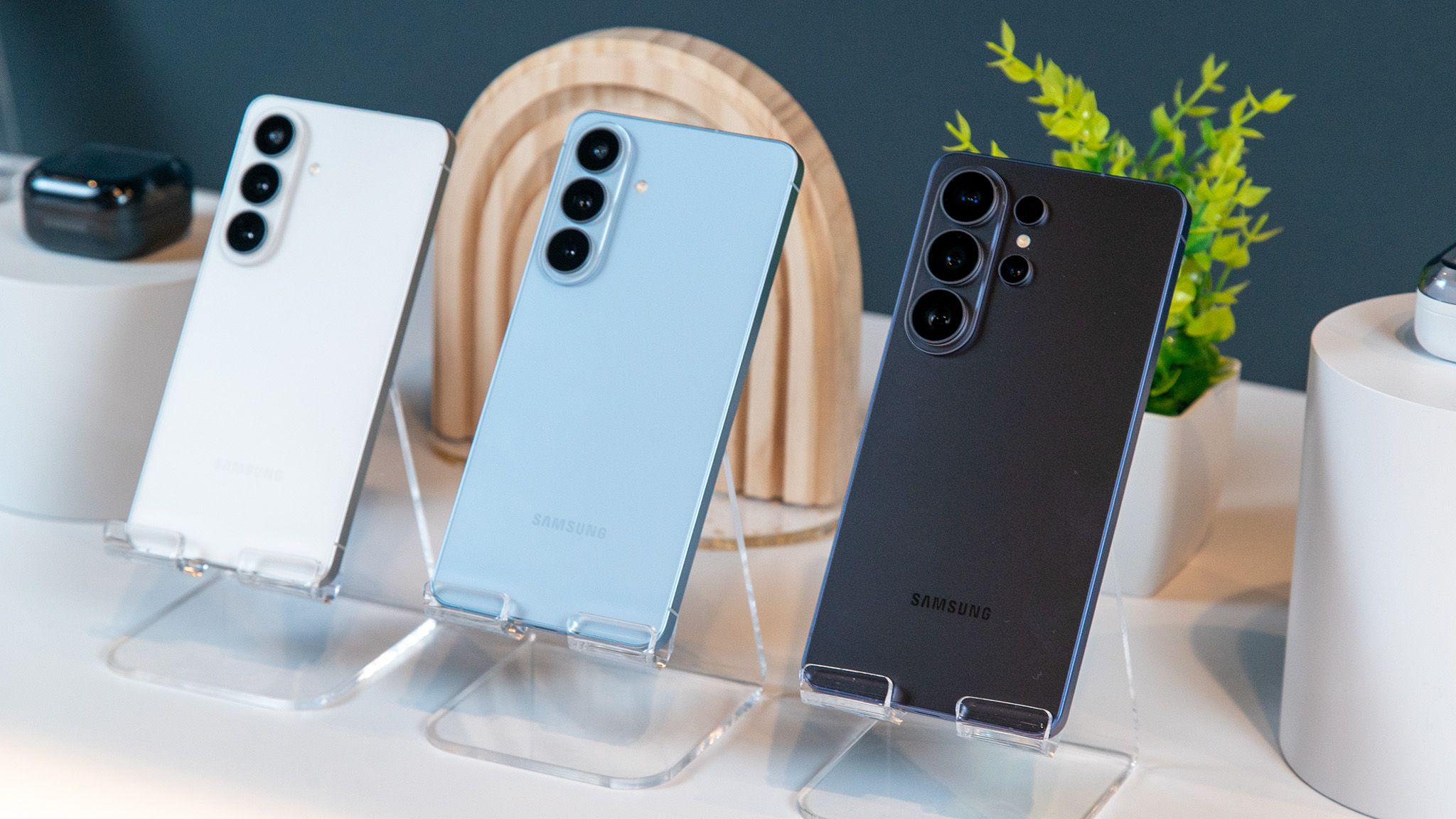
Samsung confirmed that the Galaxy S26 series will support satellite connectivity in phased rollouts across the U.S., Europe and Japan, citing partnerships with carriers including T‑Mobile (T‑Satellite/Starlink), Verizon (eSOS), AT&T (in progress), Virgin Media O2, MasOrange (Spain trials), Vodafone, KDDI and ongoing talks with SoftBank and NTT Docomo. The move extends satellite features introduced on select flagships since 2025 and signals deeper carrier integration that could enhance device differentiation and emergency‑service functionality, though it lacks direct revenue or timing disclosures and is unlikely to be materially market‑moving in the near term.
Market structure: Winners are large carriers and modem/chip vendors — T-Mobile (TMUS), Verizon (VZ), AT&T (T) and Qualcomm (QCOM) — plus satellite capacity owners (Starlink/IRDM/GSAT exposure). Samsung (005930.KS) and select OEMs gain handset differentiation; smaller carriers/MVNOs and legacy handset suppliers without satellite deals lose relative competitiveness. Expect incremental ARPU potential of ~$0.5–$3/month per enabled user and improved retention for major carriers, giving modest pricing power if rollout capacity is constrained.
Risk assessment: Key tail risks: regulatory blocks (FCC/EU national security reviews), satellite capacity failures or congestion, and carrier-contract disputes that delay rollouts — any could wipe short-term upside. Immediate (days) volatility tied to partner announcements, short-term (0–6 months) driven by trial results and certification, long-term (1–3 years) by recurring subscription take-rates and regulatory regimes. Hidden dependency: meaningful monetization requires carrier billing integration and spectrum/capacity contracts; second-order churn flows from MVNOs to major carriers if exclusivity persists.
Trade implications: Direct plays: overweight TMUS and VZ, underweight small satellite pure-plays without firm contracts (execution risk). Use call spreads on TMUS for 3–6 month upside capture and 6–12 month LEAPs on VZ for structural ARPU realization; add modest QCOM exposure for modem/IP revenue. Rotate out of small-cap handset suppliers and reallocate into telecom infrastructure and Tier-1 chipmakers; watch announcements in next 30–90 days as entry/exit triggers.
Contrarian angles: Consensus may overestimate speed of consumer adoption — certification, international regulation and satellite capacity will stagger rollouts, so initial revenue impact likely <5% of carrier ARPU in first 12 months. Market may underprice the value of exclusive carrier-Samsung bundles that can drive share gains in flagship segments. Historical parallels (early satellite-phone launches) show strong headline impact with slow monetization; unintended consequence is regulatory fragmentation that caps global scale and keeps upside concentrated in a few providers.
AI-powered research, real-time alerts, and portfolio analytics for institutional investors.
Request DemoOverall Sentiment
mildly positive
Sentiment Score
0.35
Ticker Sentiment
