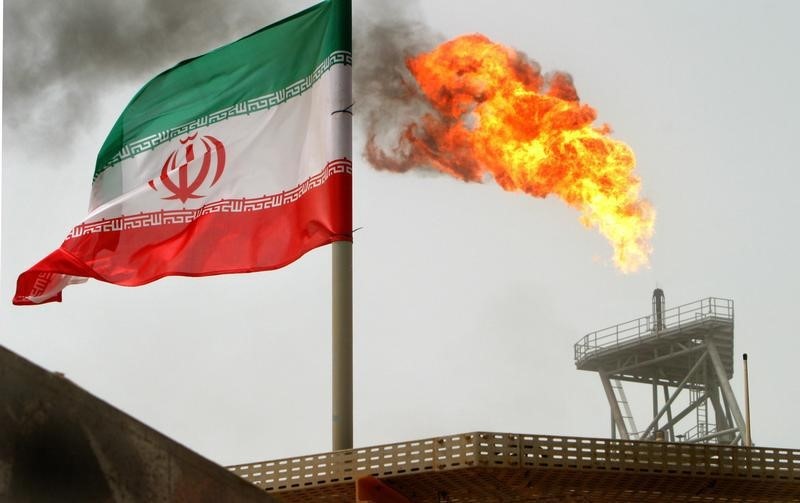
Crude oil fell 6% and tested $90 as reports suggested a potential reopening of the Strait of Hormuz, easing some supply-risk concerns. The article also reports fresh U.S. defensive strikes in southern Iran, keeping the ceasefire and regional security situation highly uncertain. With the U.S.-Iran standoff directly tied to oil flows through Hormuz, the news has broad market implications for energy and geopolitics.
The market is treating this as a binary de-escalation trade, but the more important signal is that the marginal risk premium in crude is now dominated by logistics, not production loss. If the shipping lane normalizes, the first-order move is lower front-end oil, but the second-order effect is a sharp unwind in freights, tanker insurance, and inventory hoarding that had been quietly supporting physical premiums. That means the downside in crude can overshoot on the way down for a few sessions, especially if CTA and vol-controlled funds are still long energy beta.
The bigger medium-term issue is that a reopened corridor does not equal durable stability. Even a partial normalization can be reversed by one failed inspection regime, one mine incident, or a breakdown in nuclear talks, so the market should price a short-duration peace dividend rather than a regime shift. In that setup, refiners and airlines get near-term relief from input costs, but integrated producers with weak hedge books lose more than the headline move suggests because the steepening of the backwardation curve compresses realized pricing faster than spot headlines imply.
The contrarian read is that the move lower may be too large relative to the actual optionality still embedded in the geopolitical backdrop. If reopening talks fail, crude can gap back higher quickly because the market has likely already reduced defensive positioning; if they succeed, the pressure migrates from crude into under-owned downstream and transportation beneficiaries. The asymmetry favors expressing the view through spreads and options rather than naked directional oil exposure.
AI-powered research, real-time alerts, and portfolio analytics for institutional investors.
Overall Sentiment
moderately negative
Sentiment Score
-0.35
