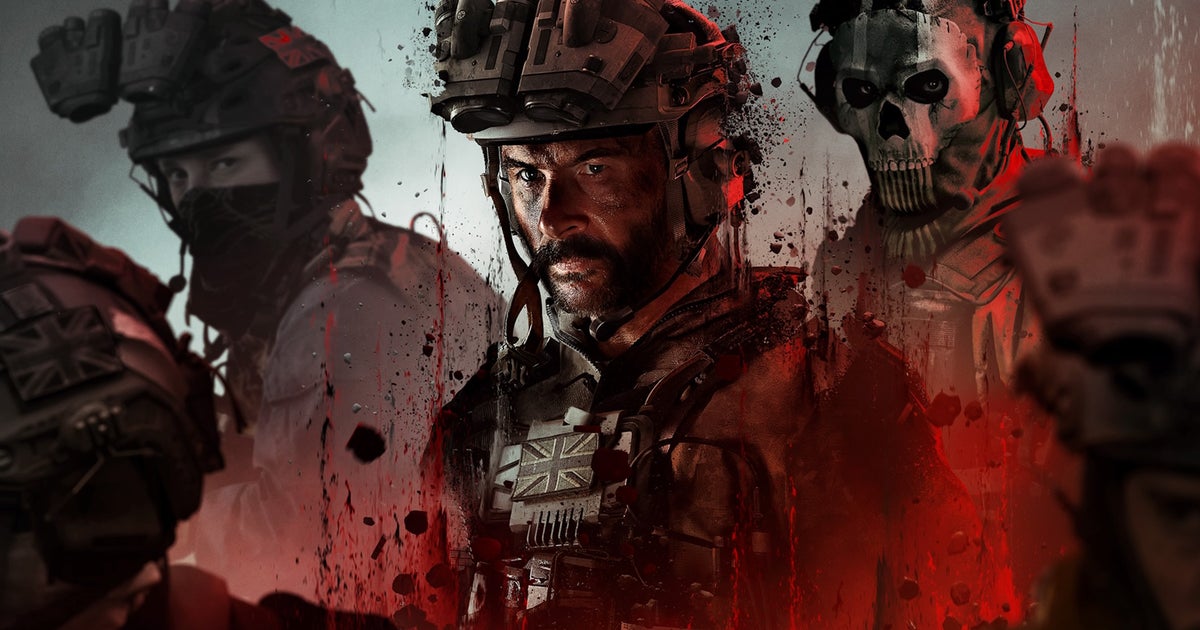
Activision confirmed the next Call of Duty will not be developed for PS4, making it the franchise's first true current-gen-only release targeting PS5, Xbox Series X/S and PC. The article suggests this could enable better core design and tech improvements, but provides no financial metrics or concrete launch date. Overall impact is limited and mostly relevant as a product/platform transition rather than a material near-term financial catalyst.
This is less about one game SKU and more about a clean step-up in platform economics. Dropping last-gen removes the lowest-common-denominator constraint that has quietly capped engine complexity, map density, streaming assets, and AI/physics budgets; that should improve the franchise’s long-run attach rate on premium hardware, especially if the game uses current-gen storage and CPU more aggressively. The second-order beneficiary is Sony and Microsoft hardware utilization: a high-engagement CoD optimized for PS5/Series X|S is one of the few titles that can still nudge late-cycle console upgrades and reduce churn into older devices.
The near-term winner is likely the ecosystem, not just Activision. Any perceived improvement in “next-gen only” quality raises the ceiling for related accessory and services monetization: premium headsets, controllers, and subscription bundle logic all become more defensible if the annual release feels meaningfully better rather than incremental. The flip side is the installed-base risk: if the game’s performance or pricing alienates the still-large legacy cohort sooner than expected, engagement could soften for one or two quarters before the upgrade cycle catches up.
The market may be underestimating how much of the upside here is already about expectations management. A current-gen-only release reduces technical debt and support costs, but it also raises the bar on visible innovation; if Activision simply ships a prettier version of the same loop, the multiple expansion thesis fails. The key catalyst is whether previews demonstrate substantive gameplay/engine changes within the next 1-3 months; absent that, this is more of a margin-quality story than an engagement inflection.
Contrarian view: the consensus may be too focused on the consumer optics of “finally leaving old consoles” and not enough on execution risk. A bigger TAM can mask product fatigue for years, but once the low-spec excuse is gone, disappointing reviews will be more directly attributed to franchise stagnation. That makes the setup asymmetric: positive if the reveal shows real innovation, but vulnerable to a sell-the-news reaction if the announcement window confirms only marginal evolution.
AI-powered research, real-time alerts, and portfolio analytics for institutional investors.
Request DemoOverall Sentiment
neutral
Sentiment Score
0.12
