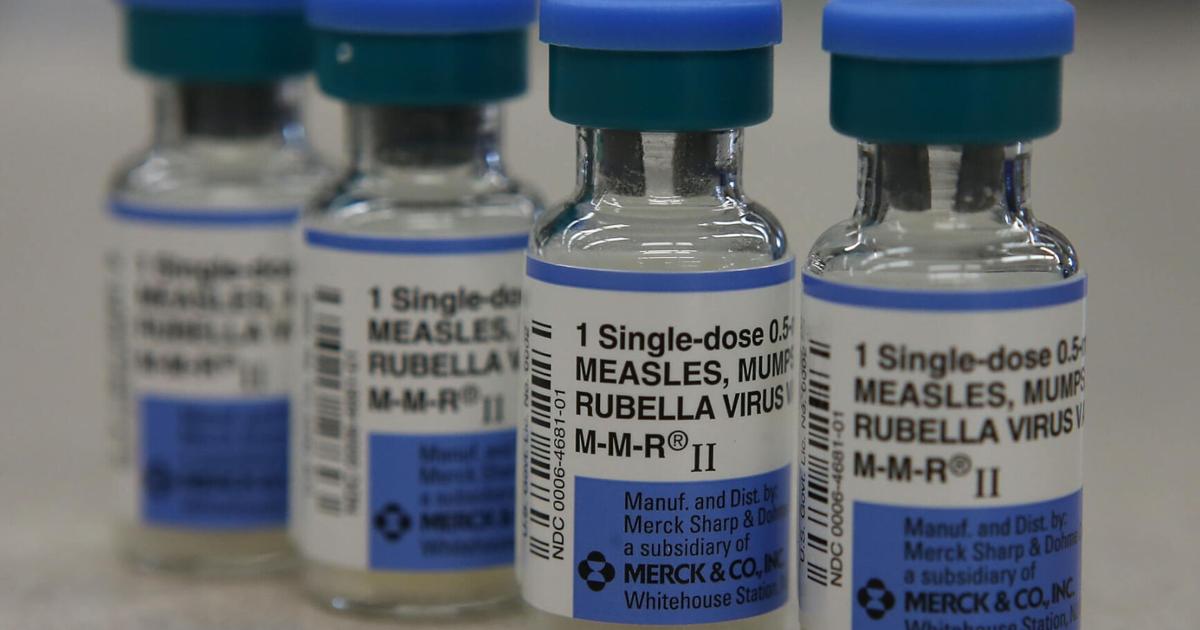
Virginia reported another measles exposure at Dulles International Airport, with the infected traveler passing through Concourse C, the International Arrivals Building transport area, and baggage claim on June 17 between 6 a.m. and 11 a.m. The latest case is an internationally traveling out-of-state resident, while Virginia's 2026 measles total has risen to 129 cases, including 106 tied to the ongoing Buckingham County outbreak. The public health update adds to regional exposure monitoring in Virginia, Washington, D.C., and Maryland.
This is a localized health event, but the market impact is less about direct case counts and more about behavioral spillovers. The first-order losers are airports, regional travel operators, and any discretionary leisure business exposed to families and older travelers; the second-order effect is a modest but persistent drag on throughput because even a small rise in perceived exposure risk can change routing decisions faster than formal public-health guidance. The most important economic signal is not the infection itself but the operational response: contact tracing, airport screening, and consumer caution can create brief friction in passenger flow and ancillary spend.
The bigger tradeable angle is not airline demand collapse, but a small shift in the mix toward lower-frequency travel, shorter booking windows, and more conservative group-trip behavior over the next 2-6 weeks. That tends to hit airport concessions, parking, rideshare, hotels near hubs, and regional leisure destinations before it meaningfully affects core domestic air traffic data. Healthcare/pharma names with MMR vaccine exposure could see only a fleeting sentiment bid unless the outbreak broadens materially; this is more a public-health logistics story than a durable therapeutics catalyst.
The contrarian view is that the market may over-discount headline risk while underpricing the limited macro footprint. Unless the outbreak spreads into additional states or forces visible school/travel restrictions, any demand shock should remain local and short-lived. The real tail risk is a compounding narrative: if additional airport-related cases continue to surface, the issue can morph from a one-off event into a broader consumer-safety concern, extending the duration from days to several weeks and pressuring sentiment around travel recovery names.
On balance, this looks like a tactical volatility setup rather than a thesis-changing event. I would fade any knee-jerk selloff in high-quality travel beneficiaries after 2-3 sessions, but stay cautious on the most exposure-sensitive subsegments until the dashboard stops adding new sites. The asymmetry is modest: downside is a small demand wobble, while upside is a normalization trade once the public health headlines fade.
AI-powered research, real-time alerts, and portfolio analytics for institutional investors.
Request DemoOverall Sentiment
moderately negative
Sentiment Score
-0.20
