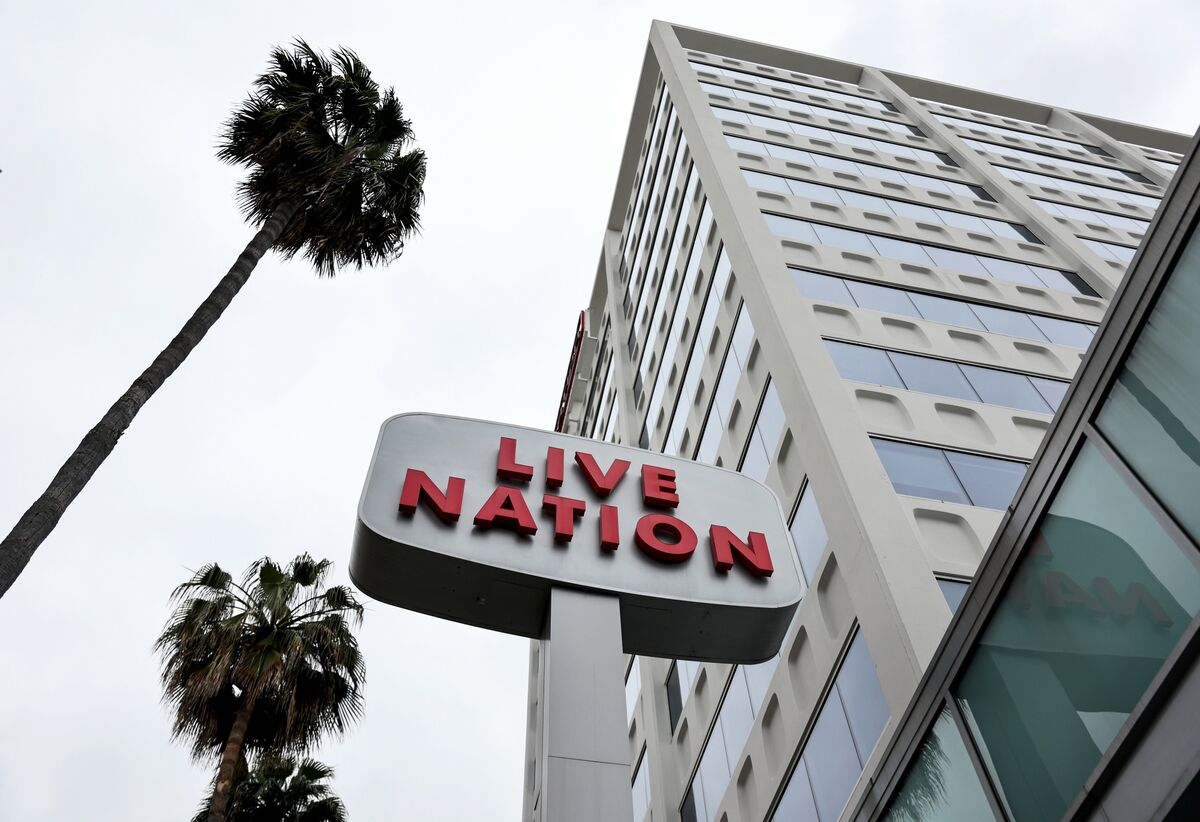
A federal jury ruled that Live Nation illegally monopolized the live events industry and overcharged fans, creating the possibility of a breakup of the largest US concert promoter and ticket seller. The verdict comes after a six-week antitrust trial and years of regulatory scrutiny, materially increasing legal and structural risk for the company. The decision is likely to pressure Live Nation shares and could have broader implications for the live events and ticketing sectors.
The important second-order effect is not just valuation compression at LYV, but fragmentation of an opaque tollbooth. If the market prices in structural divestiture, the margin pool shifts from one integrated platform to a set of smaller, more contestable businesses, which should benefit venue operators, regional promoters, and alternative ticketing rails that can capture share without carrying the same regulatory overhang. The real opportunity is that customer acquisition and pricing power may normalize faster than headline litigation resolves, because counterparties will begin renegotiating terms now rather than waiting years for a court remedy.
Near term, this is a volatility event, but the catalyst path likely extends in stages: remedy phase in months, appeals in quarters, and business mix changes over 1-3 years. That means the first-order downside may be partially in the price already, while the next leg comes from incremental evidence that promoters and venues are reallocating inventory and routing away from LYV-linked channels. The biggest risk to the bearish thesis is a delayed or narrow remedy that preserves economics while simply imposing conduct constraints; in that case the stock can re-rate off the litigation discount without the operational breakup that shorts are underwriting.
The contrarian setup is that a breakup could create cleaner, higher-multiple assets than the current conglomerate structure, especially if assets are separated into promoter, venue, and ticketing components. That creates a paradox: long-only investors may eventually prefer the post-remedy pieces, while the parent remains pressured by uncertainty. In the meantime, any sharp post-verdict selloff can be faded only if the market is clearly pricing full dismemberment; otherwise the more attractive trade is to stay with the direction of legal uncertainty rather than the event headline.
AI-powered research, real-time alerts, and portfolio analytics for institutional investors.
Request DemoOverall Sentiment
strongly negative
Sentiment Score
-0.72
Ticker Sentiment
