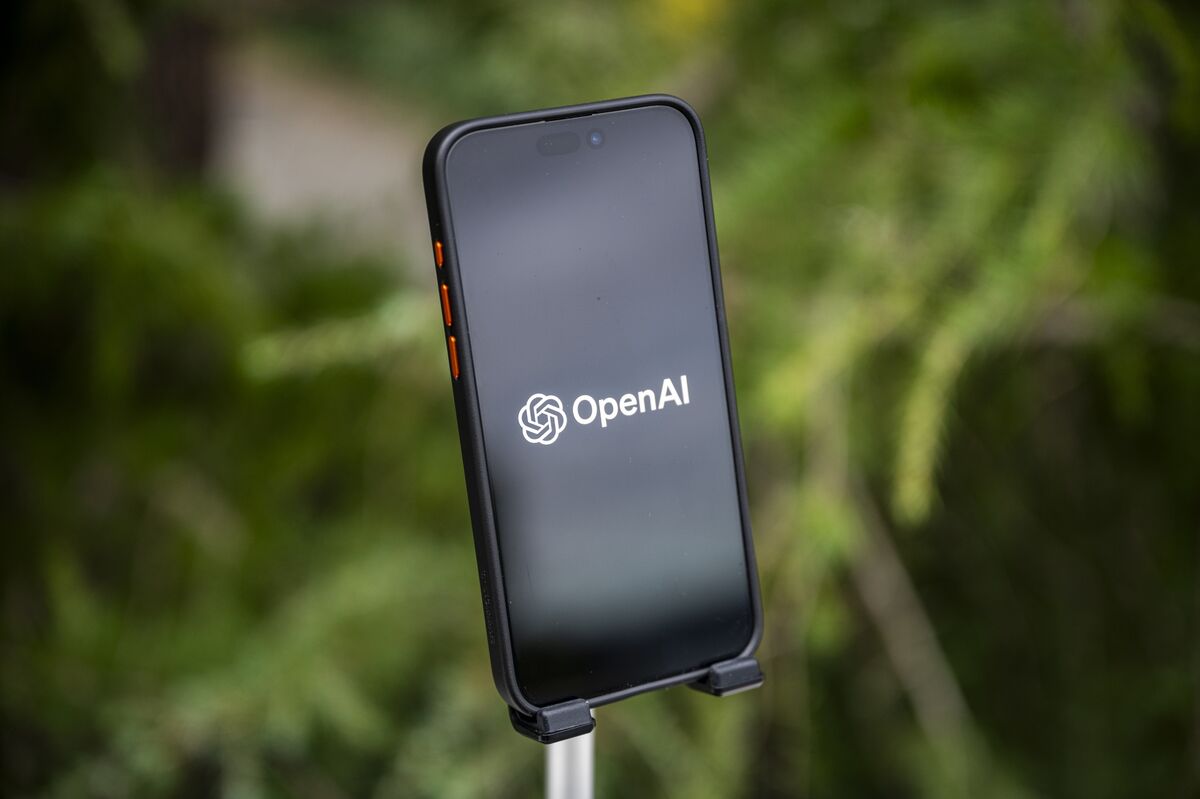
OpenAI CEO Sam Altman publicly disavowed the idea of seeking government guarantees for the company's AI infrastructure, directly contradicting a recent suggestion from another OpenAI executive. Altman stated that OpenAI does not want federal backing for its data centers, emphasizing that taxpayers should not subsidize companies for poor business decisions. This clarifies OpenAI's stance on funding its substantial AI development and expansion efforts, indicating a reliance on private capital rather than government financial assistance.
OpenAI CEO Sam Altman has explicitly rejected the notion of seeking federal guarantees for the company's substantial AI infrastructure investments. This statement directly contradicts a recent suggestion from another OpenAI executive, providing a definitive corporate stance against government financial assistance. Altman's assertion that "taxpayers should not bail out companies" signals a strong commitment to private capital and market-driven financing for OpenAI's significant expansion. This approach suggests a strategic preference for self-reliance, potentially mitigating future regulatory or political entanglements. The "mildly positive" sentiment and "neutral" tone, despite a low market impact score, reflect a favorable view on OpenAI's financial independence and adherence to market principles. This clarification may reassure investors about the long-term financial discipline within a leading AI developer.
AI-powered research, real-time alerts, and portfolio analytics for institutional investors.
Request DemoOverall Sentiment
mildly positive
Sentiment Score
0.40
