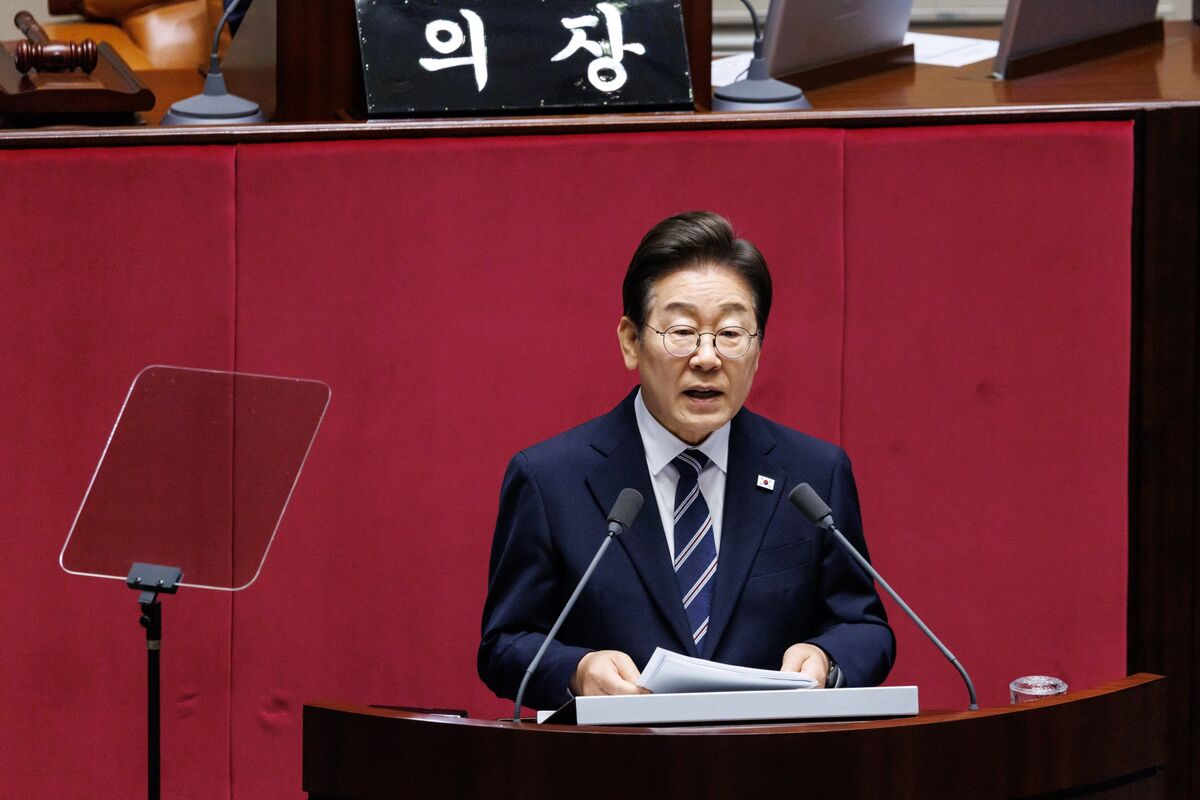
South Korean President Lee Jae-myung has nominated veteran bureaucrat Koo Yun-cheol as the new finance minister, signaling a strategic move to address the nation's sluggish economic growth. The appointment aims to leverage Koo's policy expertise to guide the economy and chart a path for national growth amidst mounting trade pressures, particularly from the Trump administration.
South Korea's nomination of veteran bureaucrat Koo Yun-cheol as finance minister is a direct response to persistent macroeconomic challenges, namely sluggish domestic growth and external trade pressures attributed to the Trump administration. The selection of a 'widely recognized policy expert' signals a preference for experience and stability in navigating this complex environment. This appointment places a clear focus on two critical fronts: developing a new national growth strategy, which could imply fiscal stimulus or pro-innovation policies, and managing international trade relations. The mixed sentiment signal (0.15) reflects that while the appointment is a proactive step, it underscores the existing economic headwinds facing the nation. The moderate market impact score (0.5) suggests that investors will be closely watching for concrete policy announcements rather than reacting to the nomination itself, treating it as a signal of intent rather than an immediate market catalyst.
AI-powered research, real-time alerts, and portfolio analytics for institutional investors.
Request DemoOverall Sentiment
mixed
Sentiment Score
0.15
