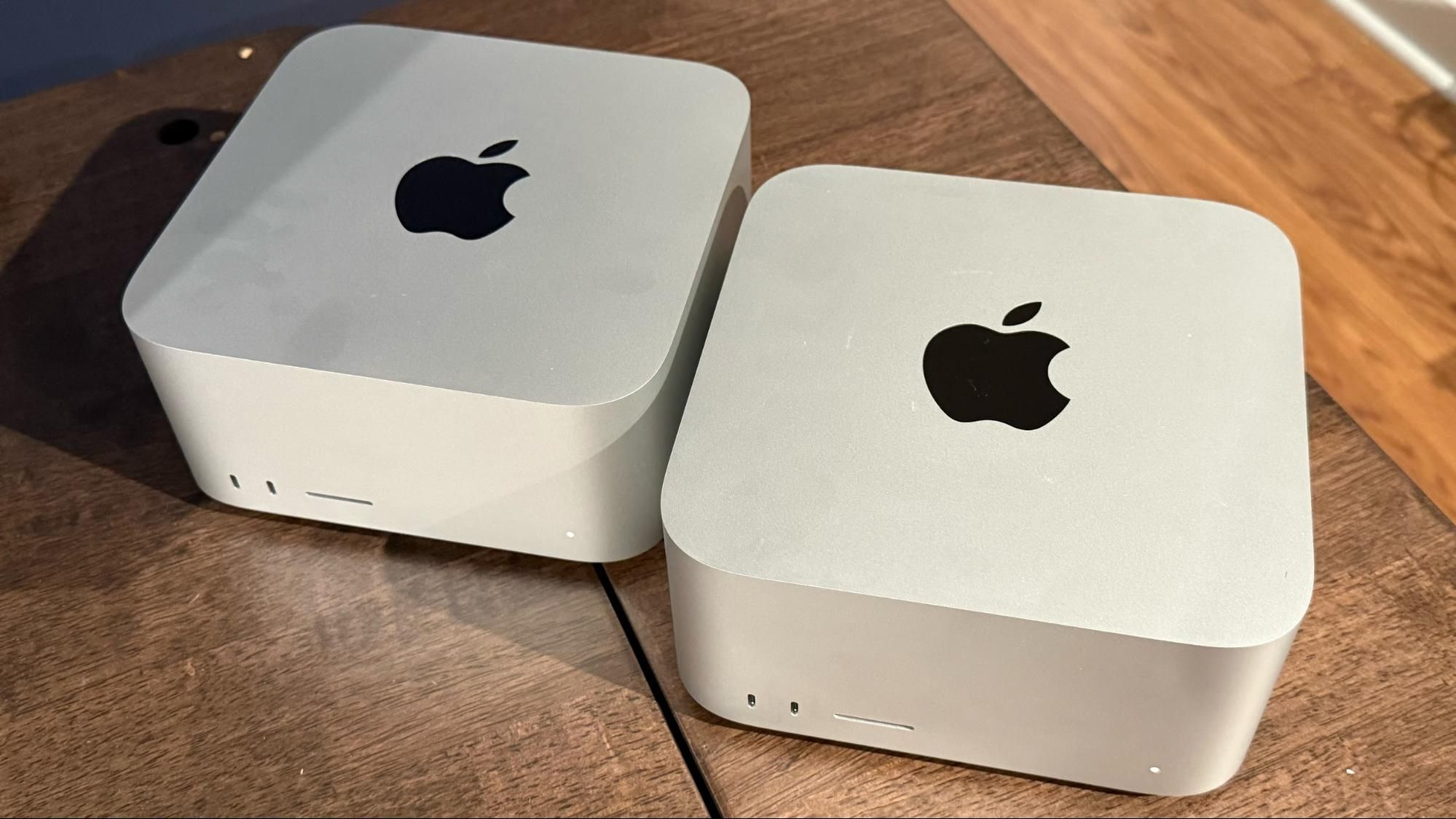
Apple has cut the Mac Studio's top Unified Memory option to 96GB from 512GB at launch, while the Mac mini max has been reduced to 48GB from 64GB, reflecting supply constraints tied to a global memory chip shortage and AI-driven demand. Delivery times have stretched to 6-7 weeks for some Mac Studio configurations and up to 10-12 weeks for higher-memory Mac mini models. The article points to constrained supply and higher pricing for memory upgrades, which may pressure near-term Mac and Mac mini sales and availability.
This is less a product issue than a channel-capacity signal: Apple is effectively rationing scarce DRAM into the highest-margin form factors and away from the configurations that are most useful for local AI workloads. That matters because the AI-PC narrative has been pulling forward demand for premium memory tiers faster than the supply chain can reprice, which can compress gross margin mix even if unit demand stays healthy. In the near term, the winner is the memory vendor stack, not Apple — suppliers with exposure to high-bandwidth memory and server-class DRAM should see tighter lead times, better ASP realization, and less elasticity than handset or consumer PC memory.
For AAPL, the bigger second-order risk is not lost Mac revenue per se, but customer frustration during a product-cycle period when Apple needs to defend its AI credibility versus Windows OEMs and x86/ARM AI PCs. Extended lead times on higher-memory SKUs can push power users to defer purchases or substitute into workstation PCs that are easier to source, especially if they need 64GB+ for on-device models. The catalyst window is months, not days: if memory constraints persist through the next two quarters, this becomes a mix problem that can shave several dozen basis points from hardware gross margin and weaken mix-quality into the next earnings print.
The contrarian view is that the market may be overfocusing on headline shortage while underestimating Apple’s pricing power and ability to monetize scarcity. If Apple can keep premium configurations constrained, it may defend ASPs better than peers even as unit growth slows, and the pain may be absorbed by buyers rather than shareholders. Still, if local-AI demand is structural, the real beneficiaries are the component suppliers and adjacent OEMs that can offer higher-memory systems with shorter delivery times. The trade is therefore not to short Apple aggressively, but to express relative value against the memory supply chain and against PC OEMs that are more exposed to premium configuration bottlenecks.
AI-powered research, real-time alerts, and portfolio analytics for institutional investors.
Request DemoOverall Sentiment
mildly negative
Sentiment Score
-0.25
Ticker Sentiment
