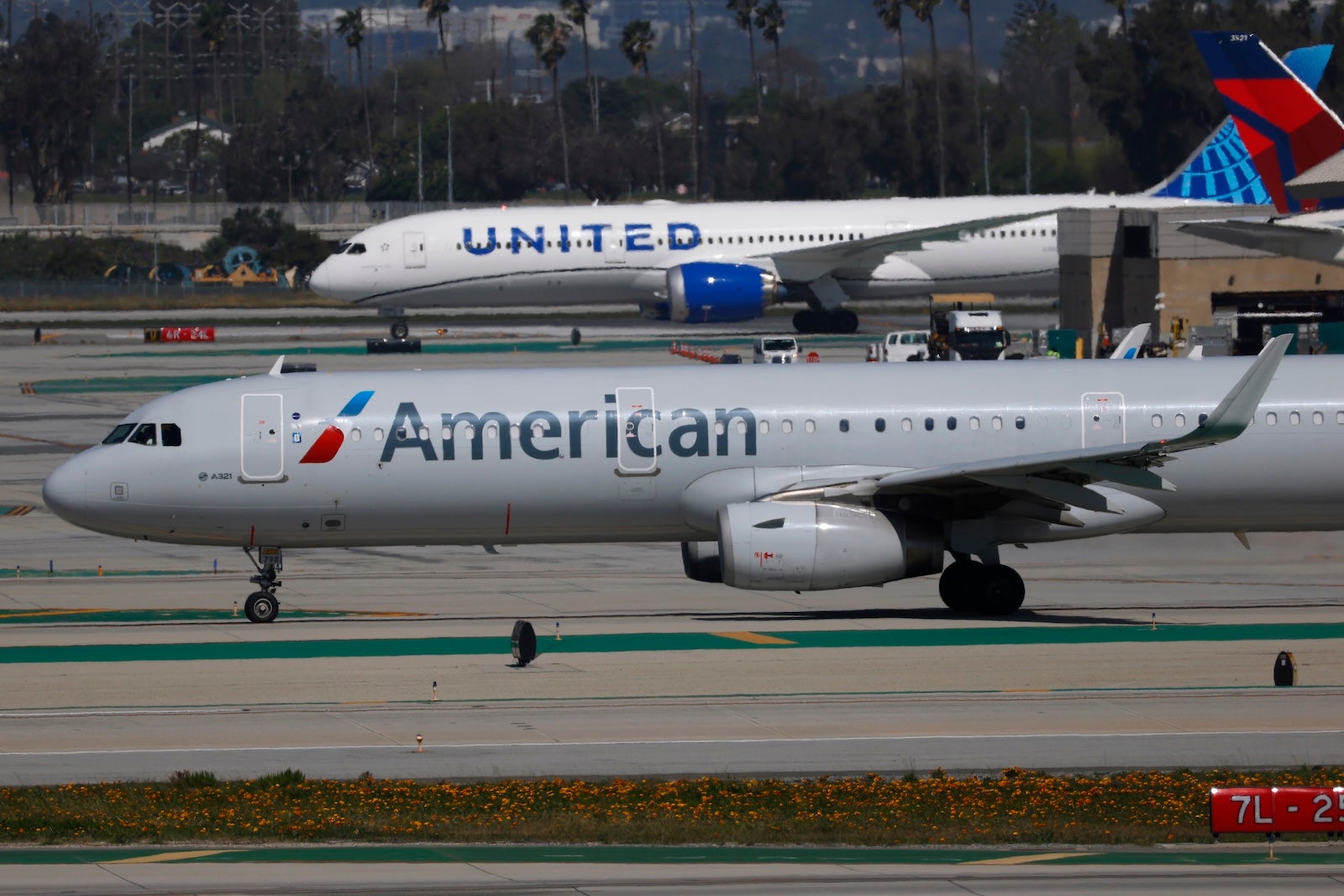
An American Airlines-United merger now appears unlikely after American said it is not interested, and President Trump publicly opposed the idea. The article shifts focus to broader airline consolidation pressure, with high jet fuel costs and Spirit Airlines' Chapter 11 distress potentially setting up future deals. Potentially supportive rhetoric around buying Spirit and creating a fifth large U.S. airline offsets the immediate rejection of the American-United tie-up.
The market is mistaking a blocked headline merger for a completed no-event. The more important implication is that management teams, regulators, and lenders are now openly stress-testing the franchise value of scale in U.S. aviation, which lowers the policy hurdle for smaller, more defensible transactions. That shifts the probability mass toward a Spirit-centered restructuring or a tuck-in acquisition that removes capacity without triggering the same antitrust backlash, which is structurally more favorable to the incumbent network carriers than to the ULCC model.
The second-order winner is pricing discipline. If Spirit is liquidated or absorbed, capacity likely comes out faster than the market expects, especially in leisure-heavy and Florida/Las Vegas corridors where low-cost capacity has anchored fare competition. That helps DAL first, then LUV, because both have stronger balance sheets and more ability to hold yield while weaker competitors are forced to chase load factors. AAL and UAL are less likely to benefit from an outright merger premium here; instead they get modestly better industry pricing but higher political/regulatory scrutiny if they are seen as orchestrating consolidation.
The real catalyst window is the next 30-90 days as Spirit’s bankruptcy path becomes clearer and management commentary on the upcoming earnings call potentially reframes capacity growth assumptions for summer and Q3. The tail risk is a government-supported rescue of Spirit that preserves uneconomic capacity longer, which would delay fare relief and keep the sector’s margin recovery uneven into 2025. In that case, the trade is not on M&A headlines but on the timing of capacity removal versus continued fuel-cost pressure.
Consensus is overestimating the importance of the American-United denial and underestimating the incremental bullishness of a smaller deal that “fixes” capacity rather than creates a mega-carrier. The market may also be too skeptical of the duration of fare support if one more weak operator disappears; even a 1-2 point load-factor improvement can translate into material RASM upside when fuel is high and discounting eases.
AI-powered research, real-time alerts, and portfolio analytics for institutional investors.
Request TrialOverall Sentiment
neutral
Sentiment Score
-0.05
Ticker Sentiment
