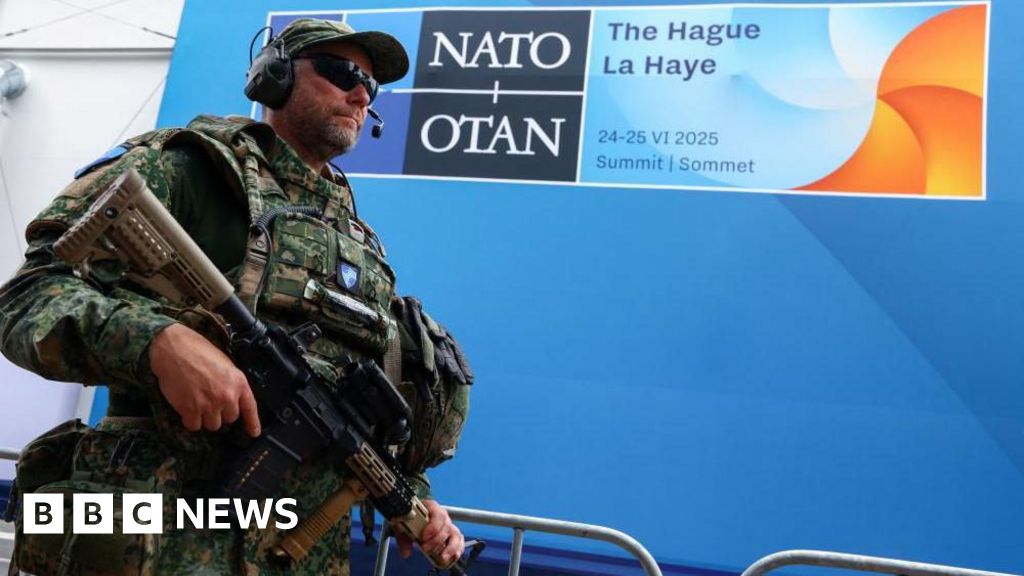
Nato leaders at The Hague summit are poised to commit to a new, significantly elevated defense spending target of 5% of national output, more than double the previous 2% guideline, amid US pressure and escalating European security concerns stemming from the Ukraine conflict. This pledge allocates 3.5% for core defense and 1.5% for broader defense-related areas like cybersecurity and infrastructure. While key members like Germany and the UK are aligning with accelerated timelines, some nations, including Spain, Belgium, and Slovakia, are seeking exemptions, posing challenges to uniform implementation. This ambitious commitment signals a substantial long-term capital allocation to the global defense, cybersecurity, and related infrastructure sectors.
A NATO summit in The Hague is set to formalize a landmark commitment to raise defense spending to 5% of national output, a significant escalation from the previous 2% guideline. This new target, championed by NATO Secretary General Mark Rutte, allocates 3.5% to core defense and a broad 1.5% to "defence-related expenditure," encompassing cybersecurity and infrastructure. This signals a substantial, long-term reallocation of fiscal priorities and capital towards the defense sector across member states, driven by US pressure and heightened security concerns stemming from the war in Ukraine. While major economies like Germany are backing the plan with concrete budgetary increases, projecting spending to rise from €62.4bn in 2025 to €152.8bn in 2029, significant fractures are apparent within the alliance. Nations such as Spain, Belgium, and Slovakia, whose current spending is well below the target at approximately 1.3% of GDP, are actively seeking exemptions or flexibility. This divergence highlights considerable implementation risk and challenges the narrative of a fully united front, despite expectations that all 32 states will formally sign the pledge. The high market impact score of 0.75 underscores the financial gravity of this geopolitical pivot, which will reshape national budgets and create sustained demand for defense and related technology for years to come.
AI-powered research, real-time alerts, and portfolio analytics for institutional investors.
Overall Sentiment
mixed
Sentiment Score
0.10
