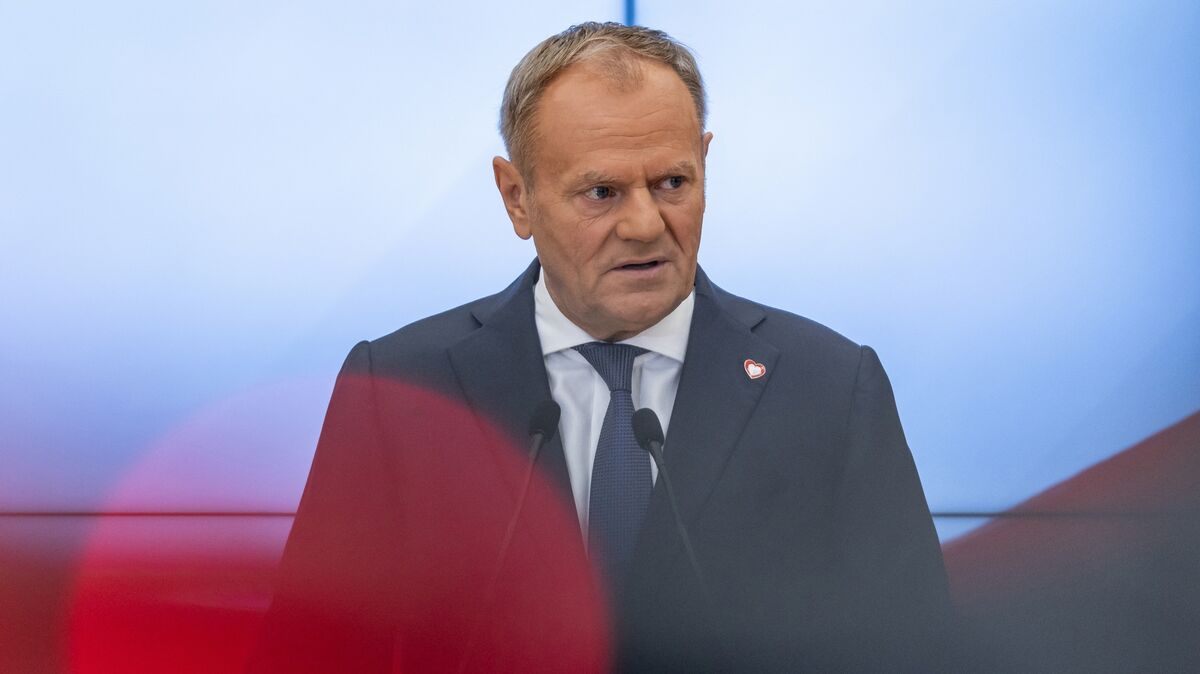
Poland's Prime Minister Donald Tusk has abandoned his election pledge to increase the tax-free personal income threshold to 60,000 zloty, citing the country's strained budget due to higher defense spending. This U-turn signals fiscal constraints, with the measure now deemed unfeasible for next year and likely not until 2027, impacting future government revenue and potential consumer purchasing power.
Poland's government, under Prime Minister Donald Tusk, has reversed a key election promise to raise the tax-free personal income threshold to 60,000 zloty. This policy shift is explicitly attributed to budgetary strains created by increased defense spending, signaling a clear prioritization of national security over near-term fiscal stimulus for consumers. The deferral of the tax cut, not just for the upcoming year but potentially until after 2027, indicates that these fiscal pressures are perceived as long-term. This decision will result in higher-than-expected government revenue, a factor that could be viewed positively by credit markets concerned with Poland's fiscal deficit. However, it will also constrain the growth of disposable income for Polish households, potentially tempering forecasts for domestic consumption and overall GDP growth. The move underscores a significant trade-off between campaign pledges and the pragmatic fiscal realities facing the administration.
AI-powered research, real-time alerts, and portfolio analytics for institutional investors.
Request DemoOverall Sentiment
mildly negative
Sentiment Score
-0.25
