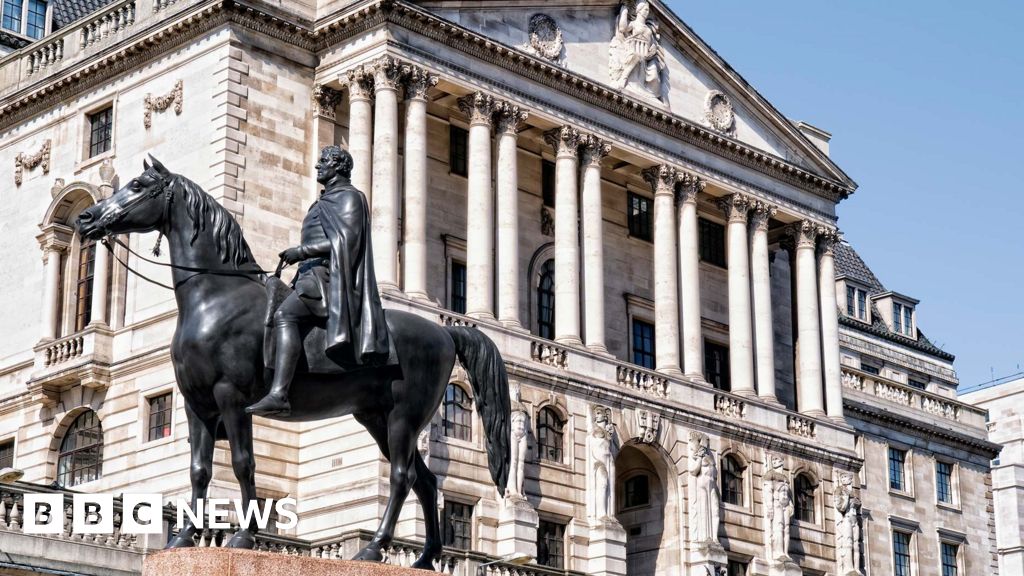
The Bank of England held Bank Rate at 3.75% but signalled it 'stands ready to act' if the Iran-related energy price shock is persistent, warning inflation could rise to ~3.5% in March (January inflation 3%). Markets are pricing ~two 25bp hikes to 4.25% by year-end, mortgage fixed rates have jumped and lenders have withdrawn hundreds of products, raising housing-cost and refinancing risks. The BoE emphasised the need to respond if the shock is protracted, while noting policy would ease if the shock proves very short-lived.
A persistent energy-price shock would transplant inflation into components that are hardest for central banks to ignore — household energy and transport — forcing a reconsideration of the duration of restrictive policy and re-pricing term premia across UK fixed income. That re-pricing need not be large to be painful: a 20–40bp upward shift in 10y gilt yields materially compresses long-duration asset valuations and increases funding costs for mortgage-originating lenders, creating a trough in housing activity that typically shows through with a 3–9 month lag.
UK banks sit at an inflection where NIMs can expand quickly on new business while credit loss timing shifts later; this creates a narrow window where equity upside (from repricing) competes with eventual credit deterioration as fixed-rate mortgages roll off. Housebuilders and brokers face direct flow risk: the sudden withdrawal of competitively priced mortgages reduces effective demand for 6–12 months, hitting revenues before any macro-led demand recovery arrives.
Currency and energy logistics create additional asymmetry. A sustained Gulf disruption preserves an oil risk premium that supports commodity-linked equities and raises the probability of headline-driven sterling volatility, which in turn changes cross-border funding incentives for real-money sterling investors. Conversely, a rapid reopening of shipping routes or emergency supply releases would quickly unwind the shock, delivering a fast snap-back in gilts and a relief rally in rate-sensitive assets.
The tactical implication is to position for higher short-term yields and selective commodity upside while keeping convex protection against an abrupt geopolitical de-escalation that would reverse the repricing within weeks. Time horizon for active positioning should be 3–9 months with explicit stop-losses keyed to either oil moving back to pre-shock levels or clear policy U-turn signals from the BOE.
AI-powered research, real-time alerts, and portfolio analytics for institutional investors.
Request DemoOverall Sentiment
mildly negative
Sentiment Score
-0.30
Ticker Sentiment
