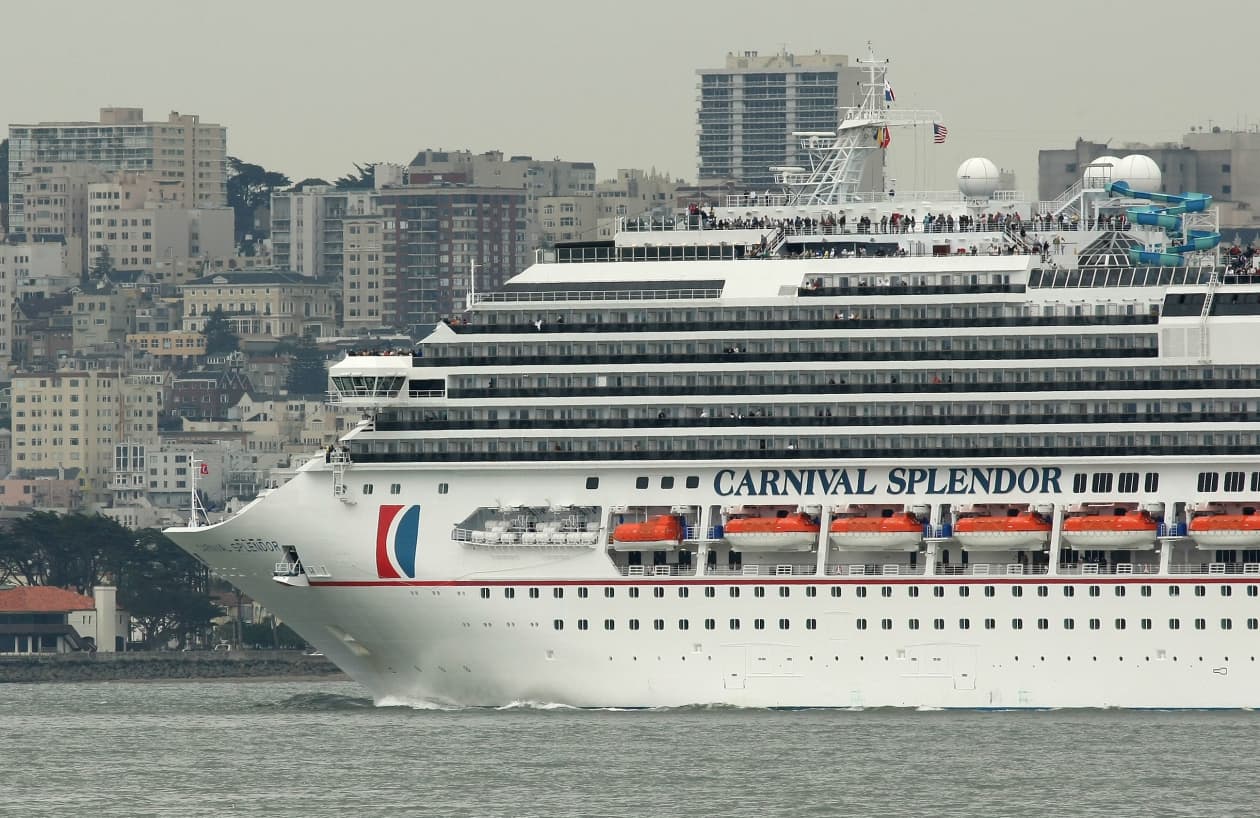
Cruise stocks have been among the S&P 500's biggest decliners since the Iran conflict began, driven by sharply higher crude prices that threaten to raise fuel costs and by geopolitical risk that could deter travel. Weakening consumer sentiment—including repeat cruisers saying 'cruising doesn't feel special'—combined with broad economic anxiety is eroding the industry's value/glamour proposition and pressuring sector fundamentals.
Crowding-out of the “experience” premium is a structural risk: as operators chase yield with lower-priced itineraries and heavy promotions, onboard spend and future repeat rates are the marginal variable that determines margin resilience. Expect a two- to six-quarter lag between price cuts or promotional cadence and measurable drop in loyalty cohort LTV — managements can mask weakness with one-off deployment of new ships or promotions, but repeat visitation often paints a clearer 12–24 month picture.
Fuel cost shocks are an asymmetric margin lever because cruise operators typically hedge only a portion of consumption for 12–18 months; a sustained oil move embeds into forward fuel purchasing curves and forces either price pass-through (weak demand elasticity) or margin compression. That creates a convex payoff: a short, sharp oil spike (~$15+ sustained) materially hurts net cash flow in the next 1–2 quarters, while moderate oil moves are often manageable through yield management and onboard revenue tweaks.
Second-order winners include land-based leisure and resort operators that benefit from substitution if cruises are perceived as a degraded experience, plus regional ports and tour operators able to capture redirected leisure spend. Losers beyond the lines themselves: shipyards and capital providers face longer recovery of utilization and higher refinancing risk; onboard concessionaires and casino partners see margin squeezes faster than headline ticket revenue.
Key catalysts to watch: 1) booking cadence and booking lead times over the next 8–12 weeks, 2) bunker fuel forward curve and hedging disclosures for the next 12–18 months, and 3) consumer sentiment metrics for discretionary “experience” spend. A diplomatic de-escalation or a 6–8 week normalization in oil would reverse the knee-jerk liquidity fear quickly; durable consumer sentiment deterioration would take multiple quarters to prove out.
AI-powered research, real-time alerts, and portfolio analytics for institutional investors.
Request DemoOverall Sentiment
moderately negative
Sentiment Score
-0.45
