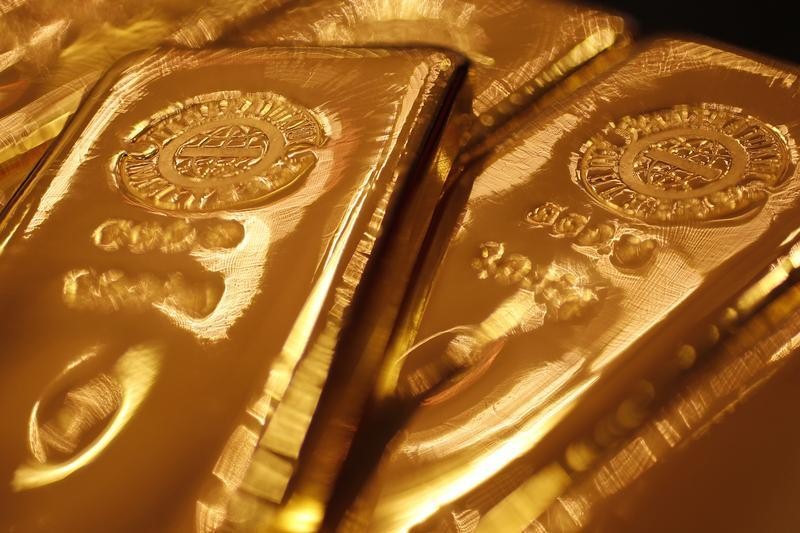
Uzbekistan exported about $1.5 billion of non-monetary gold in the first four months of 2026, with most sales concentrated in April after exports had effectively paused since September 2025. Gold remains a key budget and export buffer for the economy, and the central bank’s reserves fell by roughly 100,000 troy ounces in April, signaling sales. The backdrop includes record gold prices averaging about $4,800 per ounce and broader geopolitical tension, but the article is primarily a factual update on export flows.
The key market implication is not the Uzbek flow itself, but the signal it sends about official-sector reserve management at the margin: when a producer’s central bank shifts from accumulation to monetization, it creates a semi-persistent source of physical supply that can dampen local currency support and reduce the urgency of future official buying. That matters because central-bank demand has been one of the strongest bid supports for bullion in the last cycle; even a modest reversal in a producer cohort can tighten the feedback loop between higher prices and reserve accumulation.
Second-order effects show up in other commodity exporters with similar fiscal architecture. Higher gold prices can temporarily improve export receipts, but they also incentivize producer countries to sell into strength to fund budgets, which can cap upside in the very metal they rely on. If this behavior broadens beyond one country, it argues for a more range-bound gold market after the recent rally, especially if real yields stop falling or the dollar firms on geopolitical de-escalation.
The contrarian read is that this is not structurally bearish gold—it's a distribution event inside a still-supportive regime. The key risk is timing: over the next days to weeks, headlines around ceasefire compliance and Middle East escalation can keep haven demand bid; over the next 1-3 months, the bigger catalyst is whether other producers follow with reserve monetization or whether ETF/retail flows offset official sales. If the latter fails to materialize, gold miners with high operating leverage face the greatest downside because their margins embed near-record prices that are vulnerable to even a 5-10% pullback in bullion.
AI-powered research, real-time alerts, and portfolio analytics for institutional investors.
Overall Sentiment
neutral
Sentiment Score
0.05
