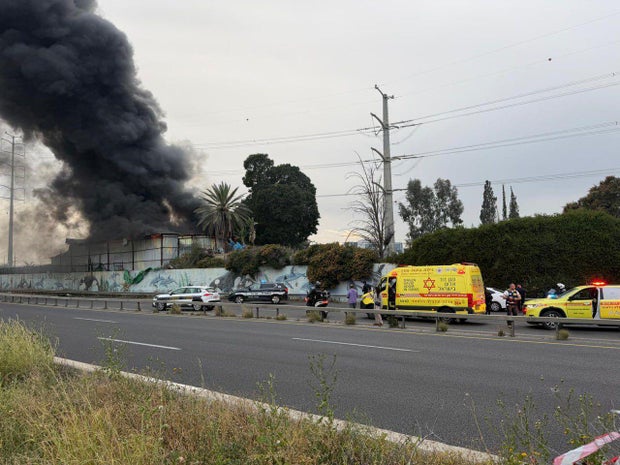
U.S. military death toll reached 13 after a KC-135 refueling aircraft crash in western Iraq killed six crew, amid ongoing U.S.-Israeli strikes on Iran. Energy and trade effects are material: oil remains above $100/bbl, the Strait of Hormuz is effectively gridlocked with potential U.S. tanker escorts being discussed, and U.S./Israeli forces report striking over 15,000 enemy targets; additional U.S. ships and Marines are expected to deploy. Escalatory moves include Iran naming major U.S. tech firms as potential targets (cyber/drone threats) and the U.S. offering up to $10M for information on Iran's new supreme leader, while G7 partners publicly oppose U.S. easing of Russian oil sanctions — all driving a broad risk-off market dynamic.
The current geopolitical shock is amplifying short-term real-economy frictions (insurance, rerouting, and elevated fuel surcharges) that act like a 50–150bp margin headwind for high-Fulfillment/logistics operators over the next 1–3 months. Cloud providers face a bifurcated pressure: higher infrastructure/security spend to harden regional capacity (raising opex and near-term capex) while simultaneously receiving accelerated demand for DR/ multi-region services. Expect this to compress gross margins but enlarge addressable security services revenue over 6–18 months.
Targeted threats to regional infrastructure materially raise the probability of both cyberattacks and physical hits to outsourced data centers — a catalytic accelerator for defense/analytics vendors with proven government ties. That creates a two-speed market: incumbents with integrated security stacks (MSFT, ORCL) should win sticky enterprise deals, whereas smaller specialist vendors (PLTR) can see asymmetric contract upside if they capture a slice of urgent federal/DoD spend. Hyperscalers will absorb incremental security spend of roughly $2–4bn industry-wide over 12 months, shaving ~50–150bps off consolidated margins before new revenue flows normalize.
Aerospace and logistics names face near-term order and operational risk as supply-chain continuity and airworthiness narratives intensify; with certification headlines and operational disruptions, downside volatility is front-loaded. Key reversals that would unwind the risk premium are a credible de‑escalation (weeks) or coordinated oil/insurance market interventions (SPR releases, convoy escorts) that quickly normalize freight and fuel costs. Absent those, expect 30–90 day elevated realized volatility and the potential for multi-week directional flows into defense and cybersecurity equities.
AI-powered research, real-time alerts, and portfolio analytics for institutional investors.
Request DemoOverall Sentiment
strongly negative
Sentiment Score
-0.85
Ticker Sentiment
