
Indian Ship Carrying LPG Transits Hormuz In A Rare Crossing Amid US Blockade
Source: NDTV
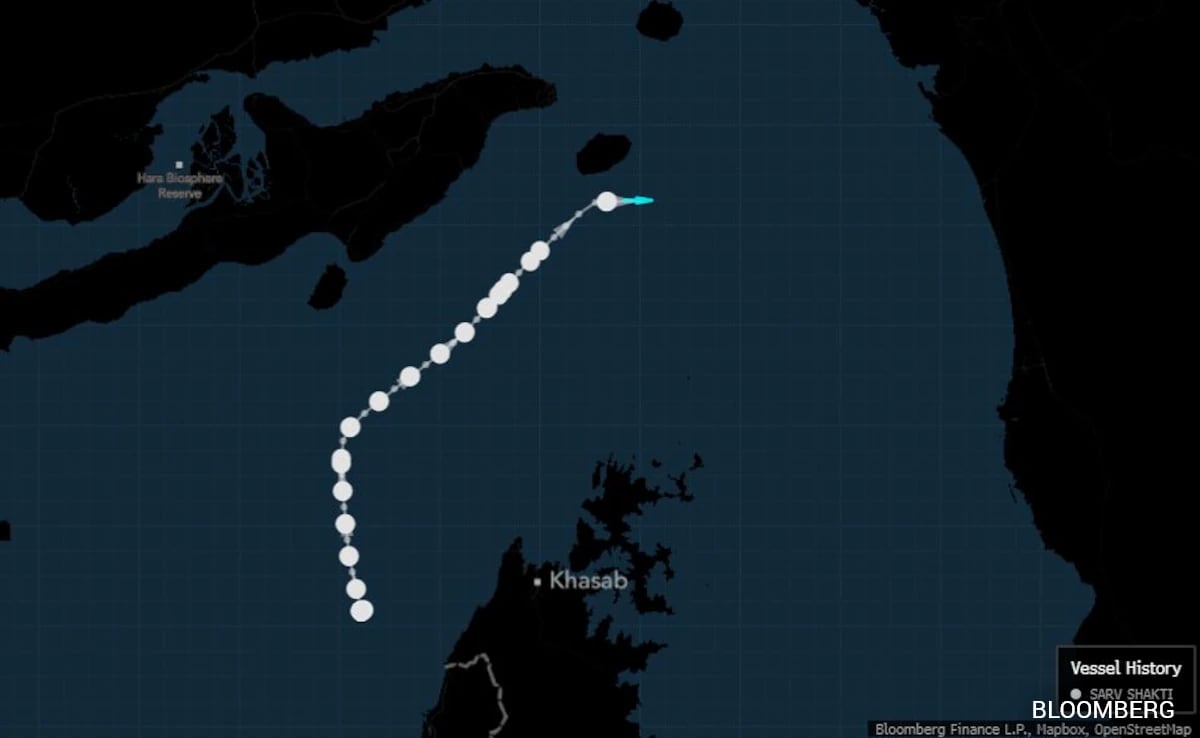
An India-linked LPG tanker carrying around 45,000 tons successfully transited the Strait of Hormuz, the first observed India-linked passage since a US blockade of Iran-tied ships tightened traffic to near zero. The move highlights India’s supply strain amid an energy crisis, with LPG consumption at 80,000 tons per day and domestic output raised 60% to 54,000 tons daily. The episode is supportive for regional shipping clarity but underscores ongoing geopolitical and supply-chain risk around Hormuz.
Analysis
This is less about one vessel and more about the re-opening of a narrow valve in a supply chain that has been operating with essentially no slack. The key second-order effect is on prompt LPG pricing and freight: when a corridor with high geopolitical optionality goes from near-zero to even a trickle, nearby cargoes cheapen faster than deferred months because traders immediately reprice tail-risk, not just molecules.
India is the marginal demand sink here, so any improvement in transit reliability should compress the premium embedded in import parity and reduce the urgency premium across Asian LPG benchmarks. That matters for non-India exporters too: Gulf producers, US exporters, and spot charter owners all face a lower probability of panic bidding, which can soften VLGC earnings at the margin even if headline seaborne volumes stay firm.
The bigger risk is that this becomes a false dawn. A single successful crossing does not normalize the route; it mostly tells us that selective passage is still possible if counterparties can negotiate, spoof, or time the window. If disruption re-escalates, the market could snap back violently because inventories and logistics buffers are still thin, so the reaction function is asymmetric: downside in LPG prices/freight can be gradual, but upside on any fresh closure is instant.
Contrarianly, the market may be overestimating how much relief this actually provides to India’s energy balance. The system problem is domestic distribution and fuel substitution, not just headline transit count, so even a modest easing in the Strait may not fully restore end-user availability. That argues for viewing the move as a tactical de-risking rather than a structural normalization.
AllMind Terminal
AI-powered research, real-time alerts, and portfolio analytics for institutional investors.
Request TrialMarket Sentiment
Overall Sentiment
mildly negative
Sentiment Score
-0.15
Key Decisions for Investors
- Fade the near-term panic premium in LPG via a small tactical short in front-month LPG freight or related tanker exposure over the next 1-3 weeks; keep a tight stop because any renewed blockage can reprice the tape sharply higher.
- Prefer a pair trade: short highly levered VLGC/clean-product shipping beneficiaries versus long diversified energy names over 1-2 months, since the convoy/negotiation mechanism caps sustained freight upside while broad energy producers are less route-sensitive.
- Buy cheap out-of-the-money calls on LPG-linked shipping volatility for 1-2 months as convex protection; the payoff is attractive because the path dependency of Hormuz traffic makes tail-risk underpriced after every successful transit.
- For India exposure, avoid chasing downstream refiners or consumer staples on the assumption of immediate fuel relief; any inventory normalization is likely measured in weeks, not days, and a fresh disruption would reverse sentiment quickly.
More News
- What are Iran’s latest conditions to end its war with the US?
- Nvidia CEO Jensen Huang emerges as Trump's top ally in AI safety debate
- Turkish FM says ready to meet Saudi defence needs – what does that mean?
- Global Conflicts Shape High Stakes UN Meetings
- Caruso-Cabrera: The investing tailwinds for Latin America are the best in decades
- China Rare Earth Group in talks to buy MP Materials shareholder Shenghe Resources, sources say
From AllMind Research
- Anthropic IPO Preview: Valuation, Timing, and What to Watch
- Shein After the IPO: Venue, Valuation, and What Must Be Proved
- What AI Research Tools Should a Small Hedge Fund Buy First?
- Research Workflows, Report Format Selection, and Interactive Synthesis
- Can ChatGPT Analyze a 10-K? A Verification Workflow