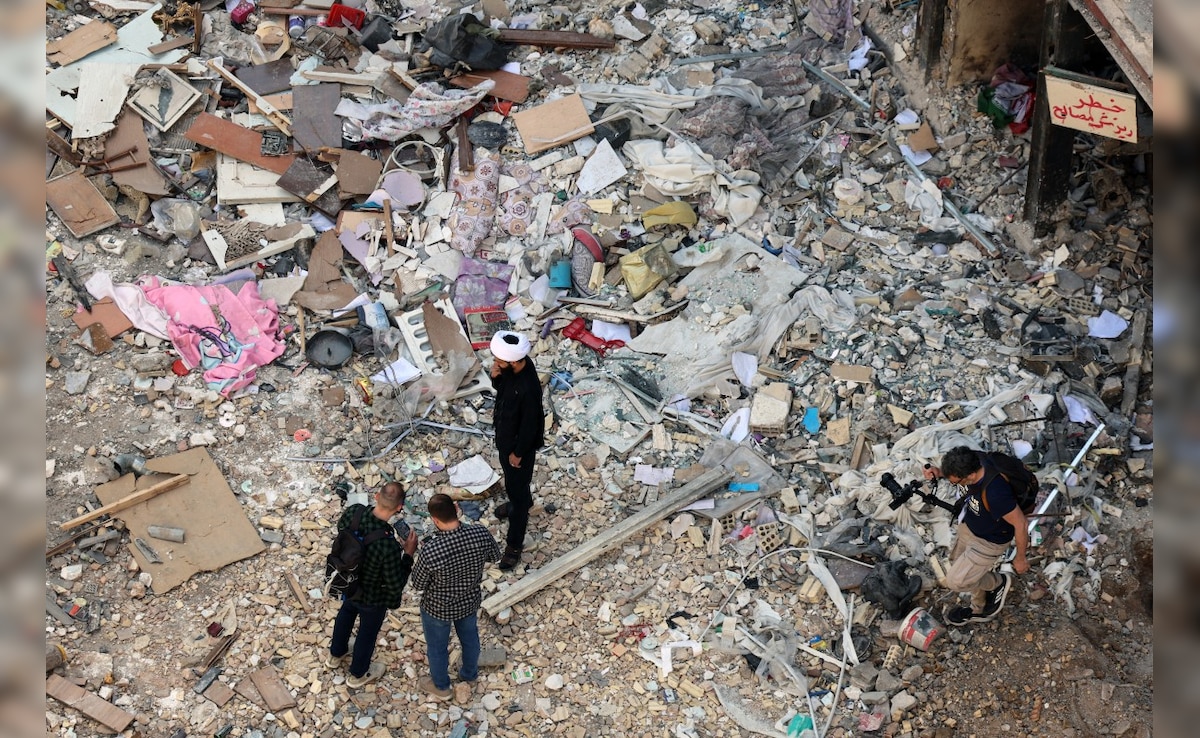
The US has imposed a blockade on Iranian ports and is preparing new secondary sanctions on financial institutions doing business with Iran, while Trump said the war is "very close to over" and ceasefire-extension talks remain unresolved. Iran has threatened to disrupt Gulf, Hormuz, and Red Sea trade if the blockade continues, creating heightened risk for energy flows and shipping lanes. More than 20 ships have recently transited Hormuz, but US forces have already turned back vessels and intercepted tankers, underscoring elevated geopolitical and supply-chain volatility.
The market is still underpricing the probability that this becomes a shipping-bottleneck story rather than a pure military escalation story. If Tehran keeps even a partial disruption regime around Hormuz, the first-order beneficiaries are not just energy producers but every asset tied to freight rerouting, insurance repricing, and inventory buffers: tanker day rates, LNG arbitrage, and air/sea freight proxies should outperform before spot crude fully rerates. The bigger second-order move is that China becomes the marginal political loser even if it avoids direct confrontation, because any sustained diversion from Gulf barrels forces it to burn strategic stocks or accept higher landed energy costs right as its domestic recovery remains fragile.
The sanctions angle is more durable than the headlines suggest. Secondary sanctions on financial institutions create a slow-moving but powerful compliance shock: regional banks, payment intermediaries, and trade financiers will begin de-risking Iran-linked flows well before formal enforcement expands, which can depress import/export volumes even if the ceasefire holds. That means the real damage can show up in broader MENA trade finance, not just sanctioned names, with a lag of days to weeks rather than months.
The contrarian view is that the market may be too focused on the dramatic rhetoric and not enough on the incentive to avoid a full closure. A hard Hormuz shutdown would hit Iran’s own leverage and export monetization, so the more plausible base case is intermittent harassment, delayed sailings, and insurance premiums staying elevated rather than a total maritime freeze. That argues for owning volatility and bottleneck beneficiaries, not chasing a pure oil spike unless blockade enforcement visibly escalates for multiple sessions.
Near term, the key catalyst is whether the next negotiation round produces even a technical extension; if not, expect a fast repricing in crude, shipping, and defense within 48-72 hours. Over a 1-3 month horizon, the more important reversal trigger is U.S./regional willingness to swap sanctions relief for operational concessions on ports and nuclear verification, which would unwind the trade quickly.
AI-powered research, real-time alerts, and portfolio analytics for institutional investors.
Request DemoOverall Sentiment
strongly negative
Sentiment Score
-0.65
