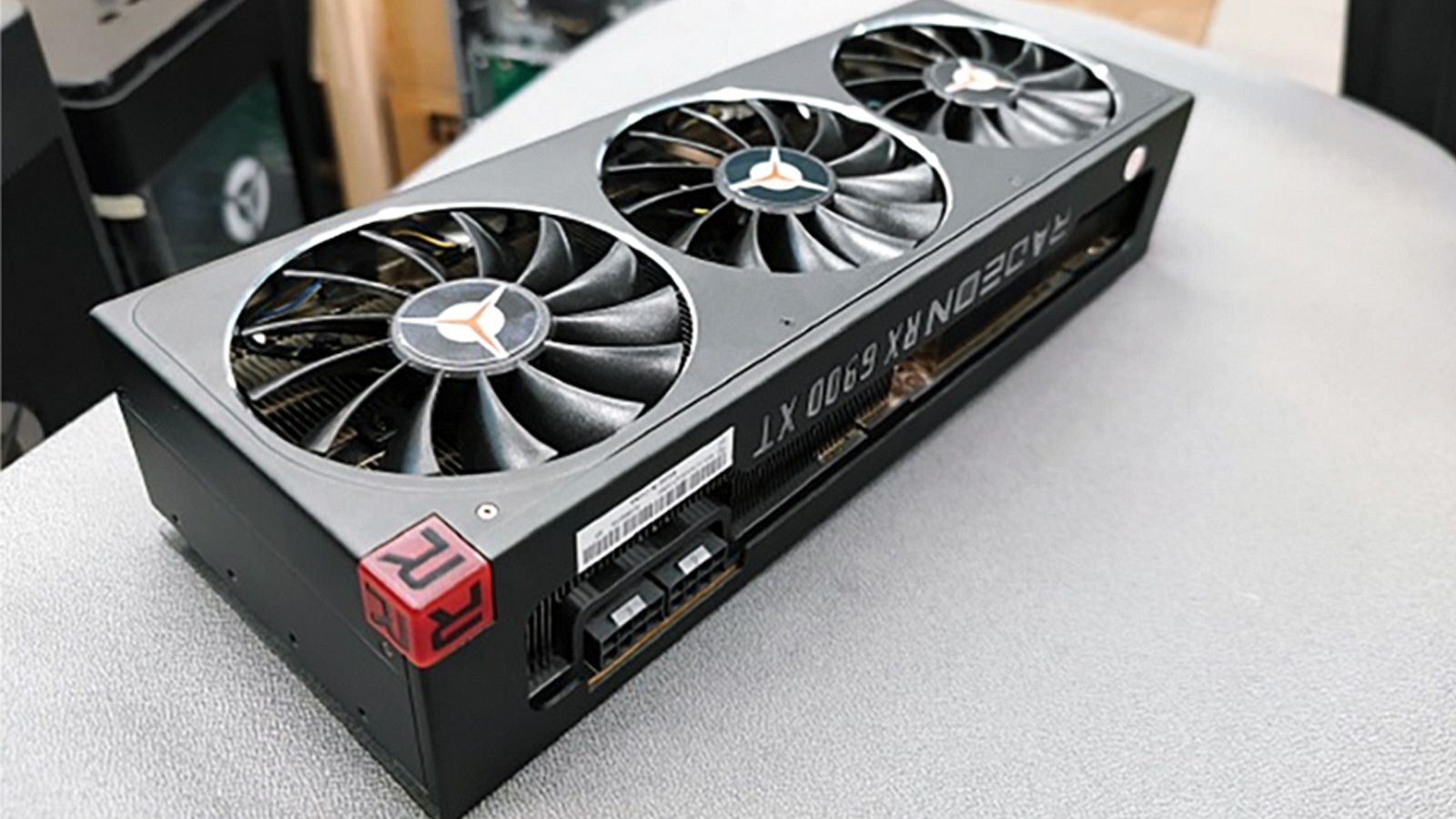
AMD has clarified its stance on support for RDNA 1 (RX 5000 series) and RDNA 2 (RX 6000 series) GPUs, following market confusion and user backlash over previous driver notes indicating a 'maintenance mode.' The company confirmed that these graphics cards will continue to receive game support for new releases, stability and game optimizations, and security and bug fixes. This commitment is part of a new split driver approach, designed to allow AMD engineers to accelerate new feature development for RDNA 3 and RDNA 4 architectures while maintaining robust support for prior generations.
Advanced Micro Devices (AMD) has issued a significant clarification regarding driver support for its RDNA 1 (RX 5000 series) and RDNA 2 (RX 6000 series) GPUs, following a period of user backlash and confusion. This stems from an earlier problematic driver release and subsequent notes that suggested these cards were entering a restrictive "maintenance mode." The company also had to correct claims about RX 7900 cards losing USB-C power supply.
AMD has now reaffirmed its commitment, stating that RX 5000 and RX 6000 series GPUs will continue to receive comprehensive support, including game support for new releases, stability and game optimizations, and essential security and bug fixes. This revised strategy involves a new split driver approach, separating code paths for older and newer architectures.
The strategic intent behind this split driver model is to enable AMD engineers to accelerate new feature development for RDNA 3 and RDNA 4 architectures, while simultaneously ensuring stability and optimization for current and future games on RDNA 1 and RDNA 2. While this ensures continued functionality, it implies that older cards may not receive advanced features like the latest upscaling support, an area where AMD has historically lagged behind competitors like Nvidia.
The resolution of this driver controversy, coupled with a clear support roadmap, contributes to a moderately positive sentiment for AMD, as it addresses immediate user concerns and outlines a more structured approach to product lifecycle management.
AI-powered research, real-time alerts, and portfolio analytics for institutional investors.
Overall Sentiment
moderately positive
Sentiment Score
0.50
Ticker Sentiment
