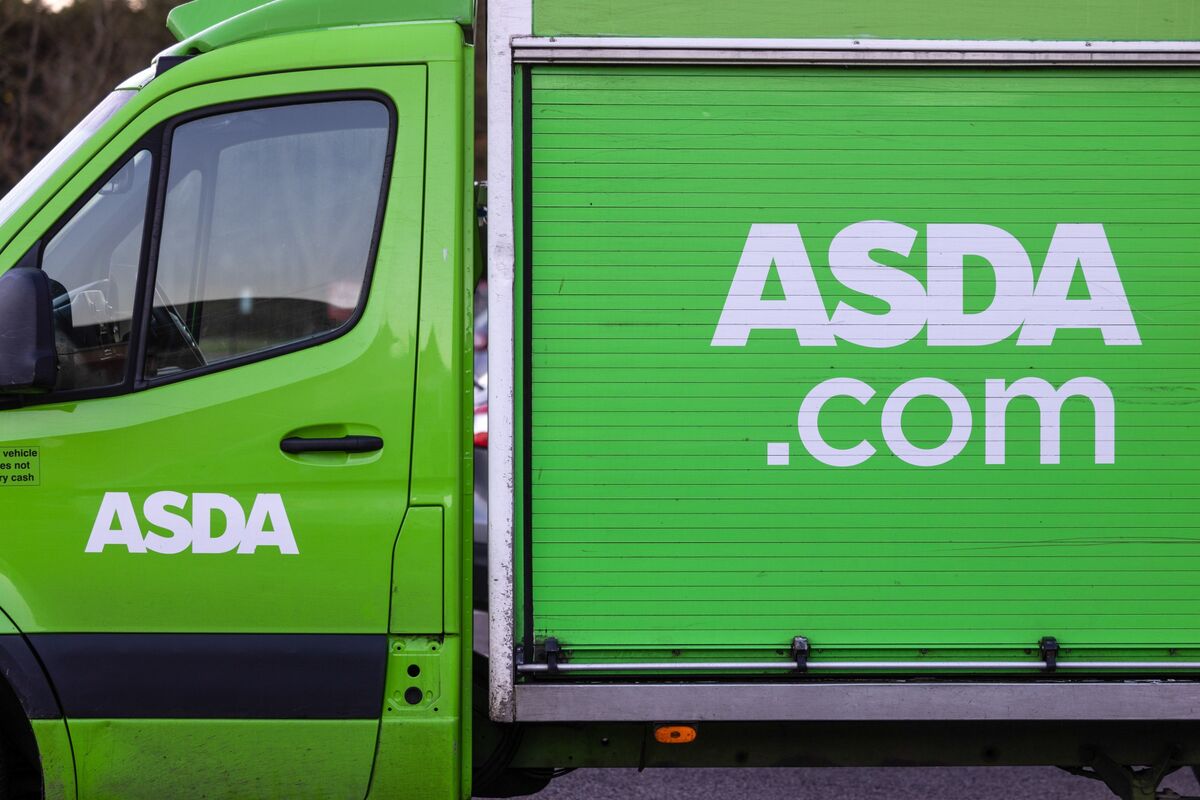
Ocado struck a deal to upgrade Asda’s online sales systems, with rollout of Ocado solutions set to begin in 2027. The agreement targets replacement of Asda’s ecommerce infrastructure and supports more than 700,000 online orders per week, reinforcing Ocado’s automated retail technology after recent setbacks. The news is positive for Ocado’s commercial outlook, though the timing suggests limited near-term revenue impact.
This is a credibility event for automated grocery infrastructure, not just a contract win. The second-order benefit is that a large, operationally complex grocer committing to a multi-year rollout reduces the perception that Ocado’s tech stack is only suited to greenfield or captive deployments; that should broaden the addressable market for future licensing deals and improve the sales pipeline conversion rate across Europe. The market should also think about implementation leverage: once the stack is embedded, switching costs rise sharply, so the real economic value is not the initial project fee but the recurring upgrade/maintenance layer and the option value of follow-on modules.
The main beneficiary in the near term is Ocado’s narrative around monetizing software/IP rather than warehouse buildouts alone. The loser set is not just rival automation vendors; it includes incumbent ecommerce platforms, systems integrators, and last-mile partners that may get displaced as Asda’s online operations become more standardized and centrally controlled. There is also a supply-chain angle: if the new system improves order density and fulfillment precision, it can lower shrink and labor hours, which should pressure competitors’ unit economics in online grocery where scale advantages compound quickly.
The key risk is timing. The rollout starts in 2027, so this is a sentiment catalyst first and a P&L catalyst later; any near-term multiple expansion is vulnerable if investors extrapolate revenue too aggressively before implementation milestones are visible. Execution risk is high in grocery tech: delays, integration issues, or lower-than-promised throughput gains could push the market back to discounting Ocado as a long-duration story with uncertain conversion to cash flow.
Consensus may be underestimating how this changes Ocado’s strategic position with other grocers: one credible UK reference can unlock a much cheaper customer acquisition path than direct selling ever could. The contrarian take is that the headline is positive but not enough to justify a re-rating unless management can translate it into a repeatable template and shorter sales cycles; without that, the stock may have a limited window of enthusiasm before investors refocus on delayed economics.
AI-powered research, real-time alerts, and portfolio analytics for institutional investors.
Request DemoOverall Sentiment
mildly positive
Sentiment Score
0.35
