
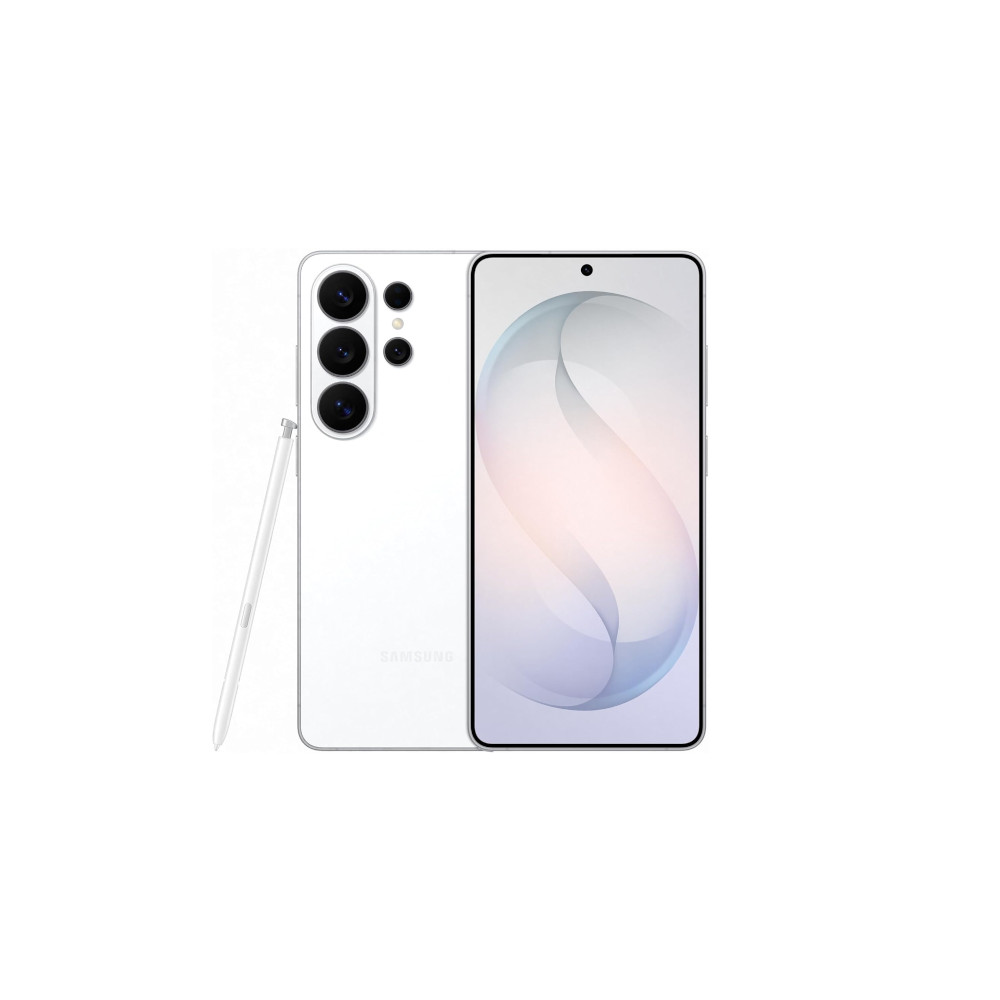
Samsung’s Galaxy S26 Ultra debuts a hardware-based 'Privacy Display' that uses two types of subpixels (narrow front-facing and wide-angle) and disables the wide subpixels when privacy mode is active. Hands-on images and user reports show visible edge roughness, color bleeding and subtle color shifts even with privacy mode off, prompting some users to cancel preorders. The defect poses a reputational risk and could pressure demand for the flagship, but the magnitude of any revenue impact for Samsung remains uncertain and likely limited absent wider consumer backlash.
Market structure: Samsung’s Privacy Display raises near-term risk to S26 Ultra demand in the high-margin flagship segment (top ~10-15% of Samsung smartphone profits historically), while incumbents with more traditional panels (AAPL, 005930.KS competitors) are potential beneficiaries if even 2–5% of premium buyers switch. Display suppliers that can guarantee consistent color fidelity (LGD 034220.KS, BOE 000725.SZ) could pick up OEM share or win replacement orders; accessory/repair channels may see a small uptick in returns and screen replacements over 1–3 quarters.
Risk assessment: Tail risks include a larger-than-expected recall/rollback (low probability, high impact within 30–90 days) or regulatory scrutiny on privacy claims that could force a software/hardware patch and inventory rework, hitting margins by mid-single digits. Hidden dependencies: exclusivity contracts with Samsung Display, panel inventory on hand, and carrier subsidy timing; catalysts to watch are weekly pre-order cancellation rates and first-month return rates (thresholds: +5% cancellation or >3% returns within 60 days).
Trade implications: In the next 1–3 months expect elevated volatility in Korean ADR/OTC (SSNLF) and increased put skew; consider small directional trades and relative-value pairs rather than broad sector bets. Liquidity in Korean options will be a constraint — use OTC/ADR tickers or size positions to 0.5–3% of portfolio and employ protective options to cap downside.
Contrarian angle: The market may overstate pixel-peeper concerns — historically (antenna-gate, early OLED glitches) product issues depressed sentiment for weeks but not market leadership over 12–24 months if the firm fixes firmware or tweaks production. If Samsung patches via firmware or shifts limited volumes back to wide pixels within 1–2 quarters, downside is capped and a short could be costly; therefore size and triggers must be discipline-driven.
AI-powered research, real-time alerts, and portfolio analytics for institutional investors.
Request TrialOverall Sentiment
moderately negative
Sentiment Score
-0.35
Ticker Sentiment
