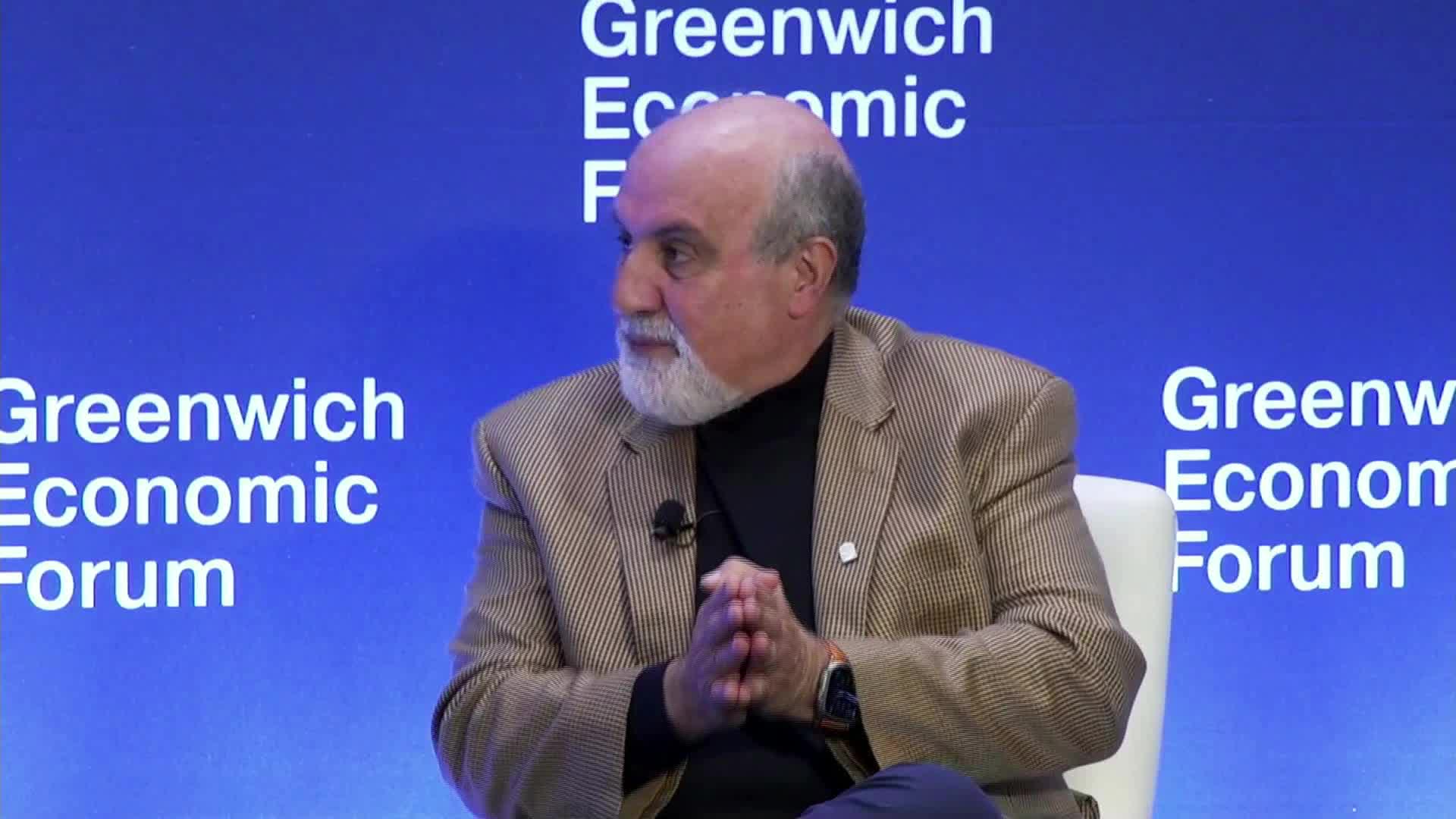
Nassim Taleb, a distinguished scientist at Universa Investments, advised investors to hedge against a potential stock-market crash, citing the U.S. debt burden and other structural issues as significant threats that could derail the current market rally. Speaking at the Greenwich Economic Forum, Taleb's warning underscores a call for caution amidst prevailing market optimism.
Nassim Taleb, a distinguished scientist at Universa Investments, has issued a stark warning for investors to actively hedge against a potential stock-market crash. Speaking at the Greenwich Economic Forum, Taleb cited the escalating U.S. debt burden and other structural issues as critical threats capable of derailing the current market rally, aligning with a 'strongly negative' sentiment score of -0.75. This pessimistic outlook suggests that the prevailing market optimism may be built on fragile foundations, with underlying systemic risks posed by sovereign debt and market technicals. Taleb's stature and the 'pessimistic' tone of his message contribute to a notable market impact score of 0.65, indicating that his pronouncements are likely to influence institutional investor sentiment and positioning. The core implication for investors is the necessity of robust risk management and portfolio insurance against tail events. The warning emphasizes that despite an 'unstoppable rally,' structural vulnerabilities could lead to significant market dislocations, necessitating a proactive defensive posture rather than complacency.
AI-powered research, real-time alerts, and portfolio analytics for institutional investors.
Request DemoOverall Sentiment
strongly negative
Sentiment Score
-0.75
